Today I went to the Kids’ March for Black Lives in my neighborhood, which reminded me that I’ve been meaning to share this incredibly useful list of how to protest while reducing risks of getting and spreading COVID-19.
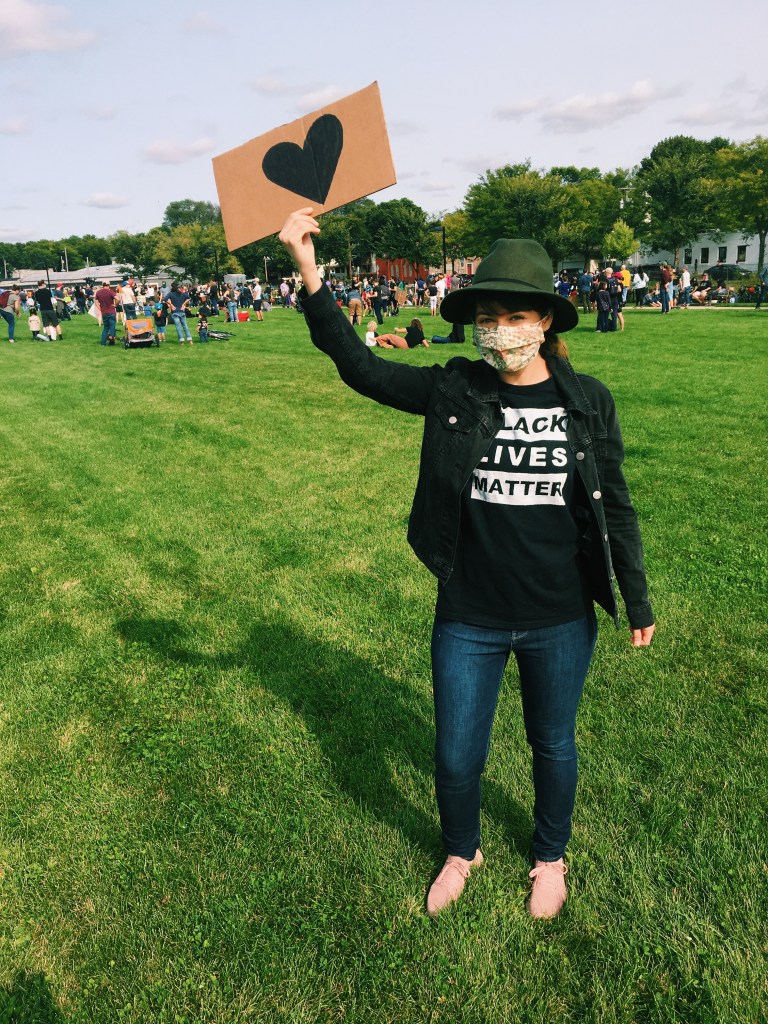
The march today was a powerful experience, made even more beautiful by the fact that I got to march with Devin and his mom, who is not only the mom of a former kid I love very much but also an educator who teaches kids today.
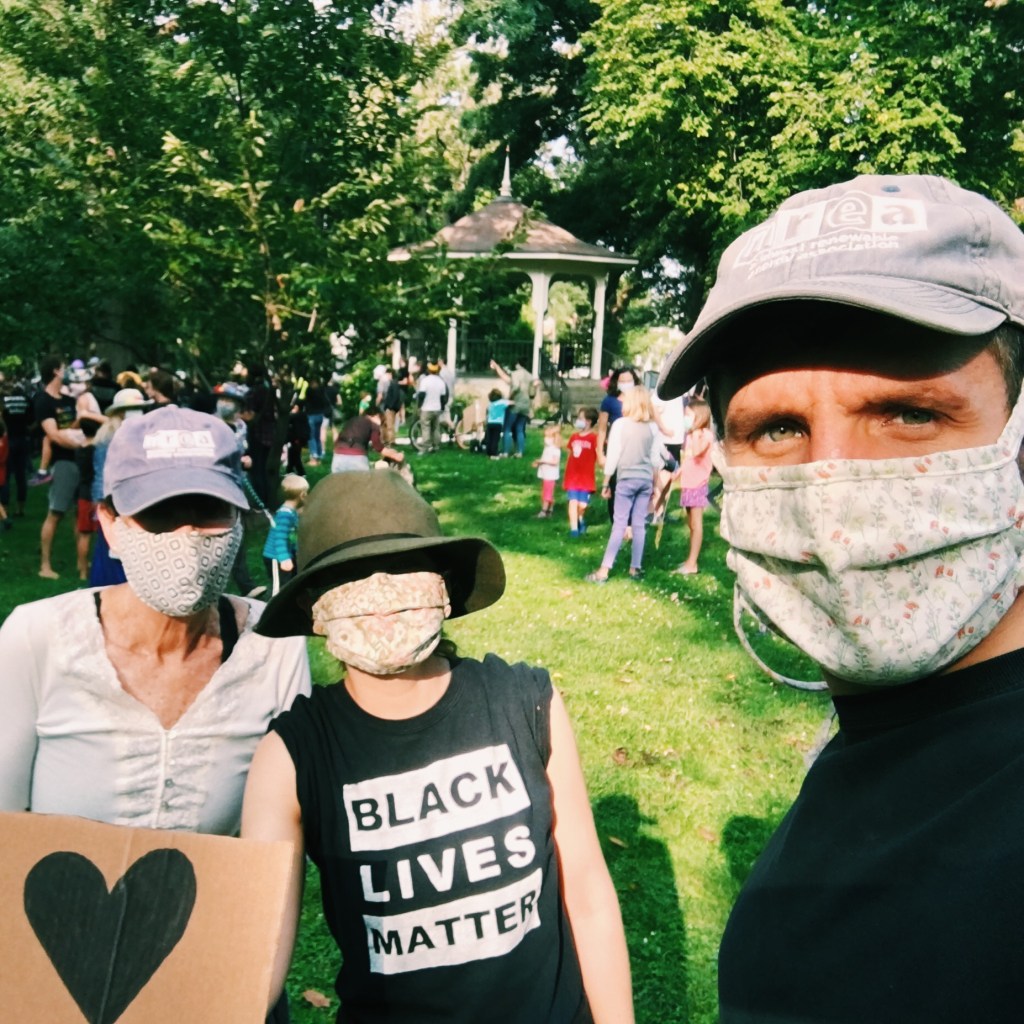
I feel incredibly lucky to have gotten to hear children and anti-racist parents and teachers speak about justice and safety and what it means to be in community and divest from unjust systems in order to invest in what we really need: schools, housing, clean water, health care (just to name a few).
Protesting in a pandemic is complicated, and there are lots of ways to contribute to the Black Lives Matter movement that don’t involve going outside and participating in person, but I’m really glad we were able to go and march in a way that felt safe and responsible given our risk factors and responsibilities to others around us. If you’re thinking of going to a protest, I encourage you to read this list and make a plan to participate with COVID protection in mind. Remember: we keep us safe!
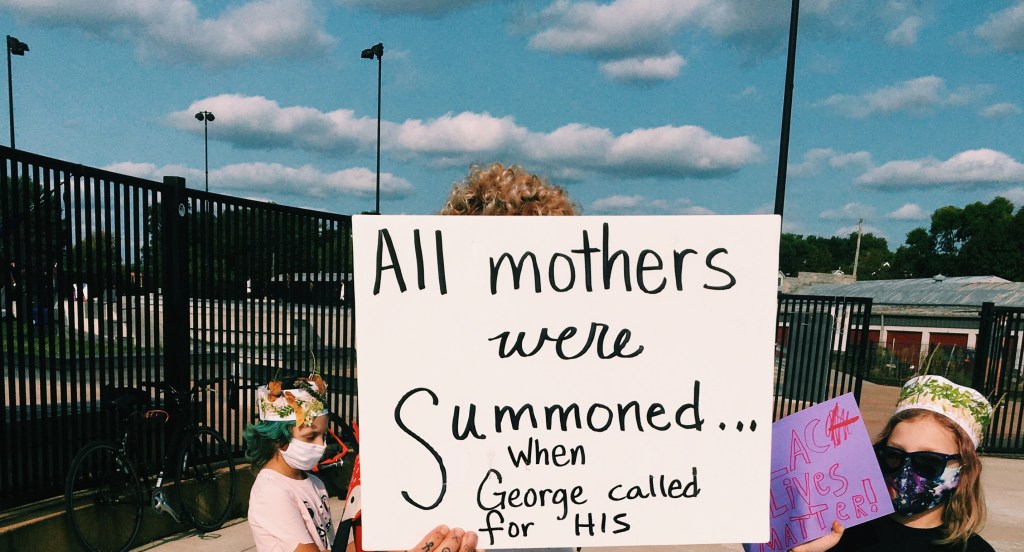
P.S. The list I’m sharing here was made by my friends Alison Kopit (she/her) and Elizabeth Harrison (they/them), two of the most intentional, community-minded people I know and admire!
 smoothliminal