
Hello? Is this thing on? Does this blog still work?
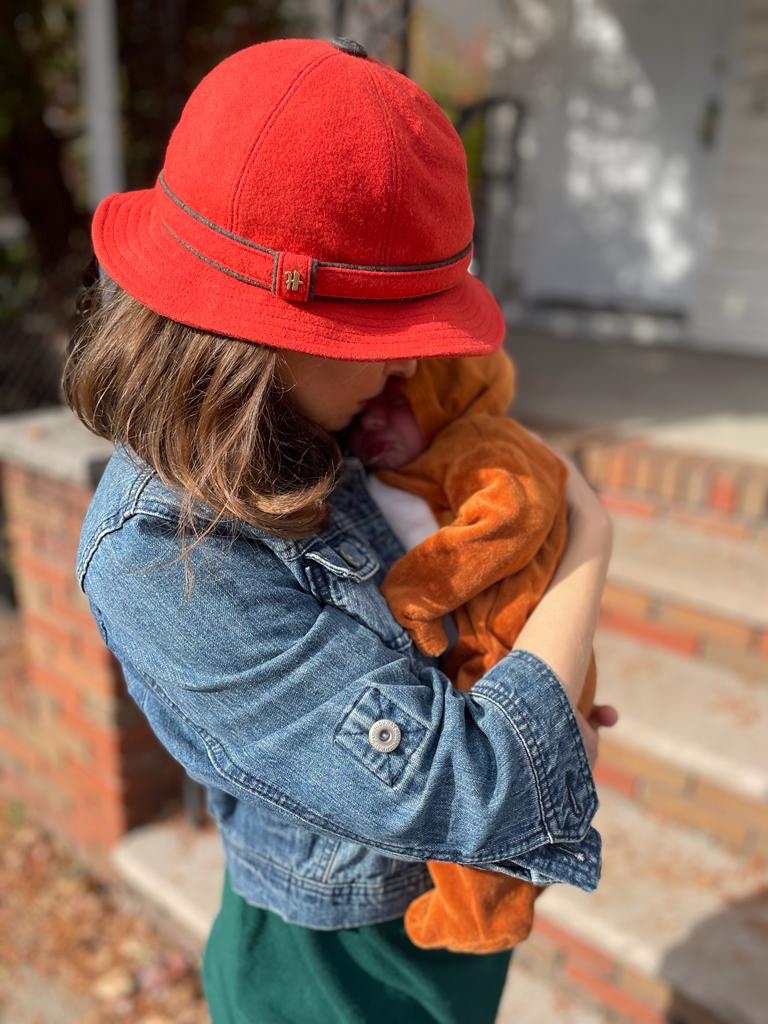
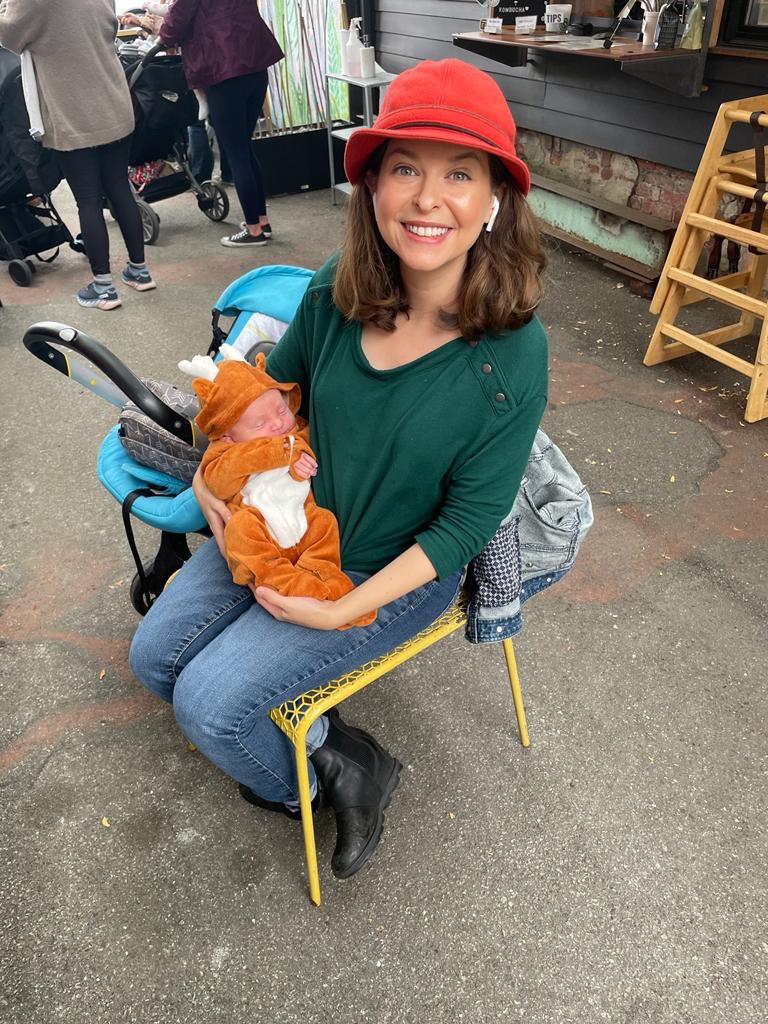
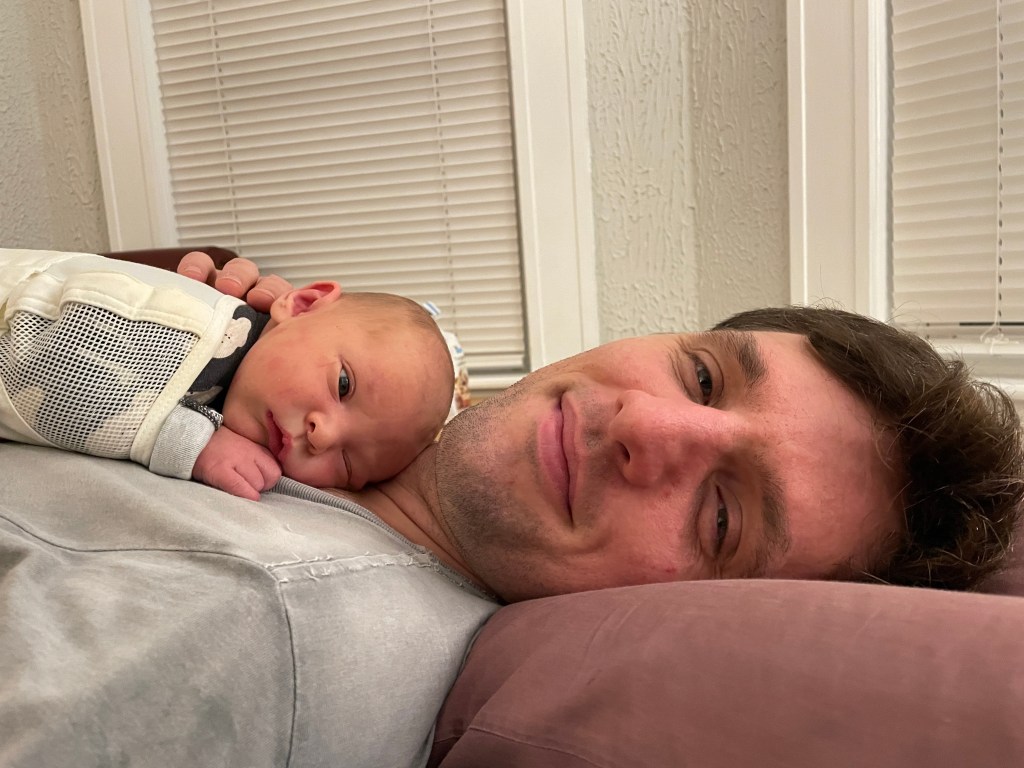
I’m coming to you live with a tiny baby on my chest, which seems like the perfect time to start chronicling my life again. After all, I’m going to need a place to put all these adorable pictures.

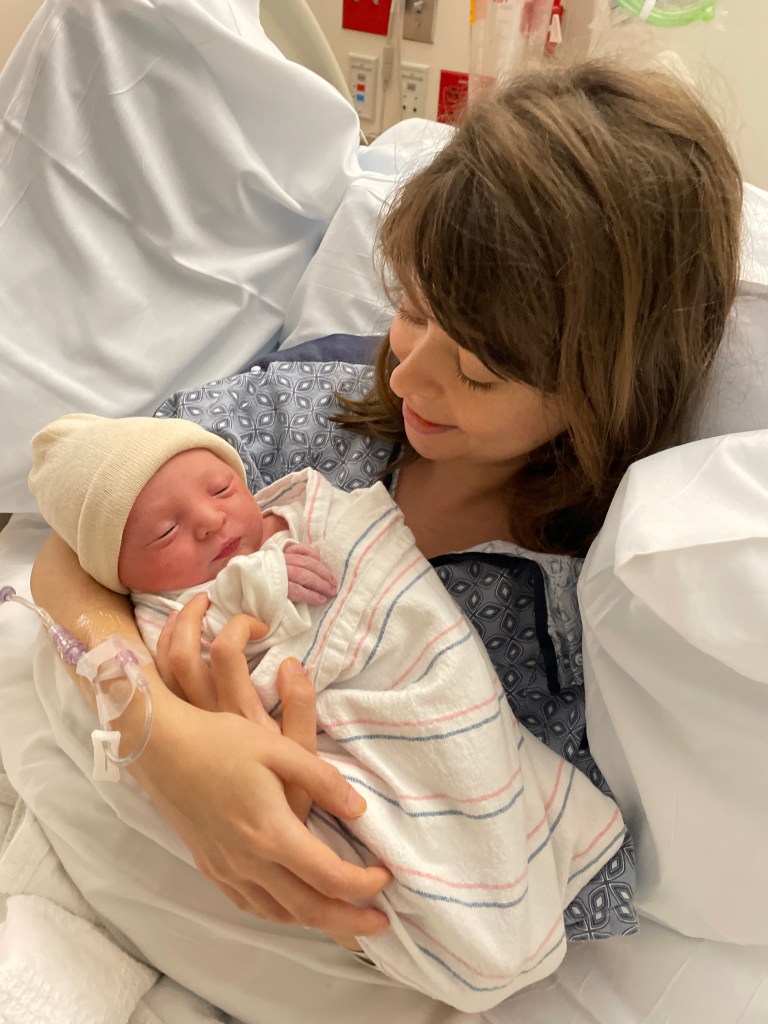
So, here we are!
The baby was born last week. And I just changed my first diaper. That means I missed about the first 50 diapers of my baby’s life. (I KNOW. I can’t believe how many they go through either.)
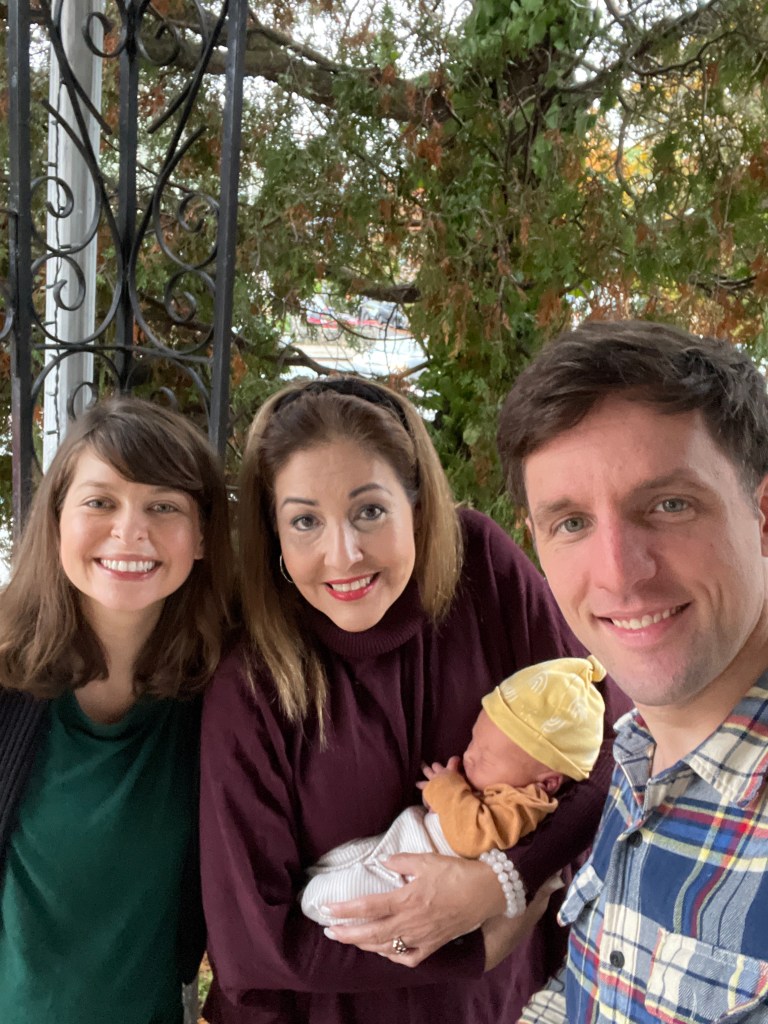
I’d like to thank Devin and my mom for being an excellent team. Basically, my job so far is feeding and holding the baby, and their job is to do everything else (including feeding me and retrieving little lost socks from the floor — how do people keep socks on newborn feet?). They are working so hard, and I feel infinitely lucky to get to focus on feeding the baby and recovering from childbirth… and COVID. The baby and I both tested positive, which has been hard, though thankfully, only I have symptoms, and they are mild. We’re praying that remains the case.
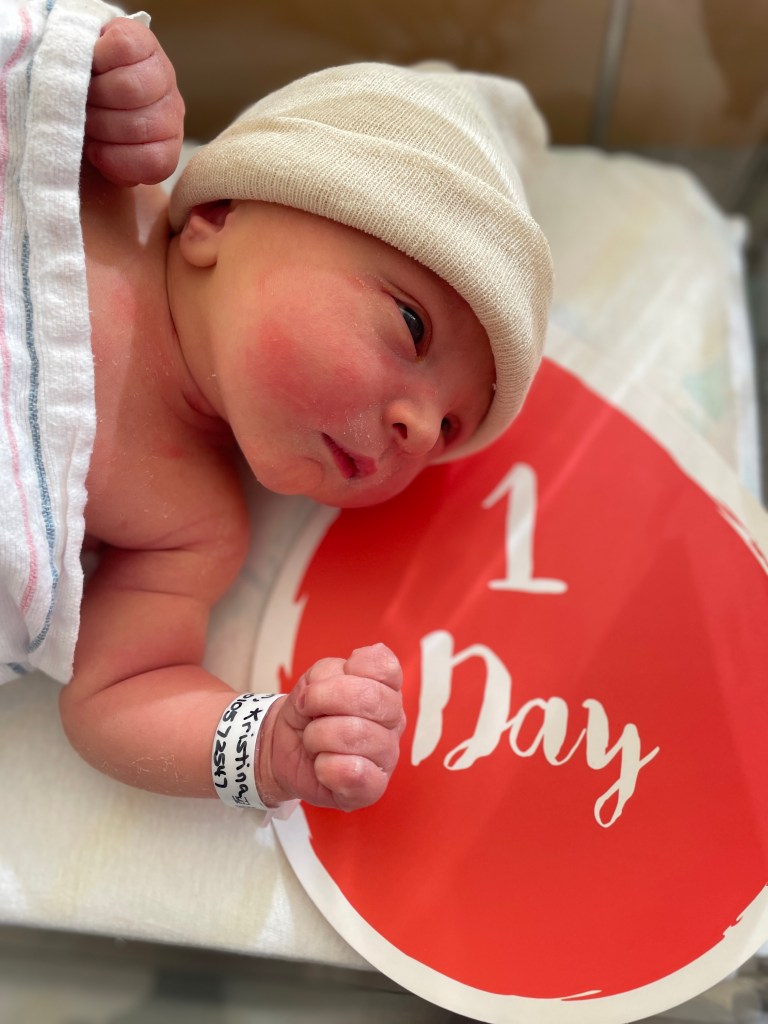
And now for some impressive stats:
The baby weighed 8 lbs. 10 oz. at birth, measured approximately 20 inches in length, and was promptly declared the world’s best baby in the whole wide world. (We know the title is repetitive, but that’s what the trophy says, so we’ll take it ; )
Devin and I have been showered with love and support from family and friends. We’re experiencing the wonders of a meal train (thanks to our incredible friends Alisa & Michael!), a cloth diaper service (thanks to a whole bunch of people because that thing is not cheap!), and living with a full-time mamá y abuelita (thanks to my mom who is enduring the fall and getting ready for winter even though she hates the cold — side note: I just looked up and noticed she is wearing a Playa del Carmen t-shirt today, haha).
Living in a new city with a new baby and lots of new challenges is an adventure. I’m excited to try to write some of it down and to share it with people who love us.
All right, that’s all I have for now, but I’m not sure how to end this post. How about this? Let’s pretend “Closing Time” just started playing over the speaker system while the house lights slowly turn on. Oh no, here comes a dude with a broom. Bye!
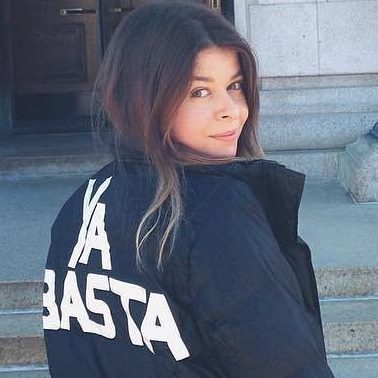
Recently I listened to a news story about immigration on This American Life. It examined the vast resources that are being sent to help Ukrainian asylum-seekers who are being welcomed into the United States with open arms. Meanwhile, just a short distance away, people seeking asylum from Mexico, Haiti, and countries in Central America wait for years in squalid, dangerous conditions. They struggle even to have their asylum claims heard and live under the threat of gun violence and kidnapping, with no support from the U.S. or Mexican governments.
I’ve lived my life on both sides of the U.S.–Mexico border, and I study immigration, so this contrast was not new to me. My whole life I’ve seen how immigrants are treated differently based on the color of their skin and their country of origin.
But this news story was a necessary reminder of why I do the work I do. It reified my commitment to change the systems that value some lives more than others. Most importantly, it reminded me to take actions that help people who are trapped in these systems now, even as I work for structural changes that will make things better in the future.
That’s why I joined the Immigrant Solidarity Committee. We’re a small group of volunteers focused on supporting people who are often ignored by other immigrant-serving organizations, like LGBTQ+, Central American, and Caribbean migrants.
We’re committed to helping individuals from these groups get through the asylum process with dignity and safety.
This year, our fundraiser is focused on raising money to pay for rent and legal fees for the guests we support as they transition from ICE detention to fuller and freer lives in the United States. We cannot do this work without your support, and all of the money raised will go directly to help migrants.
I’m donating, and I hope you will, too!
Love,
Kristy
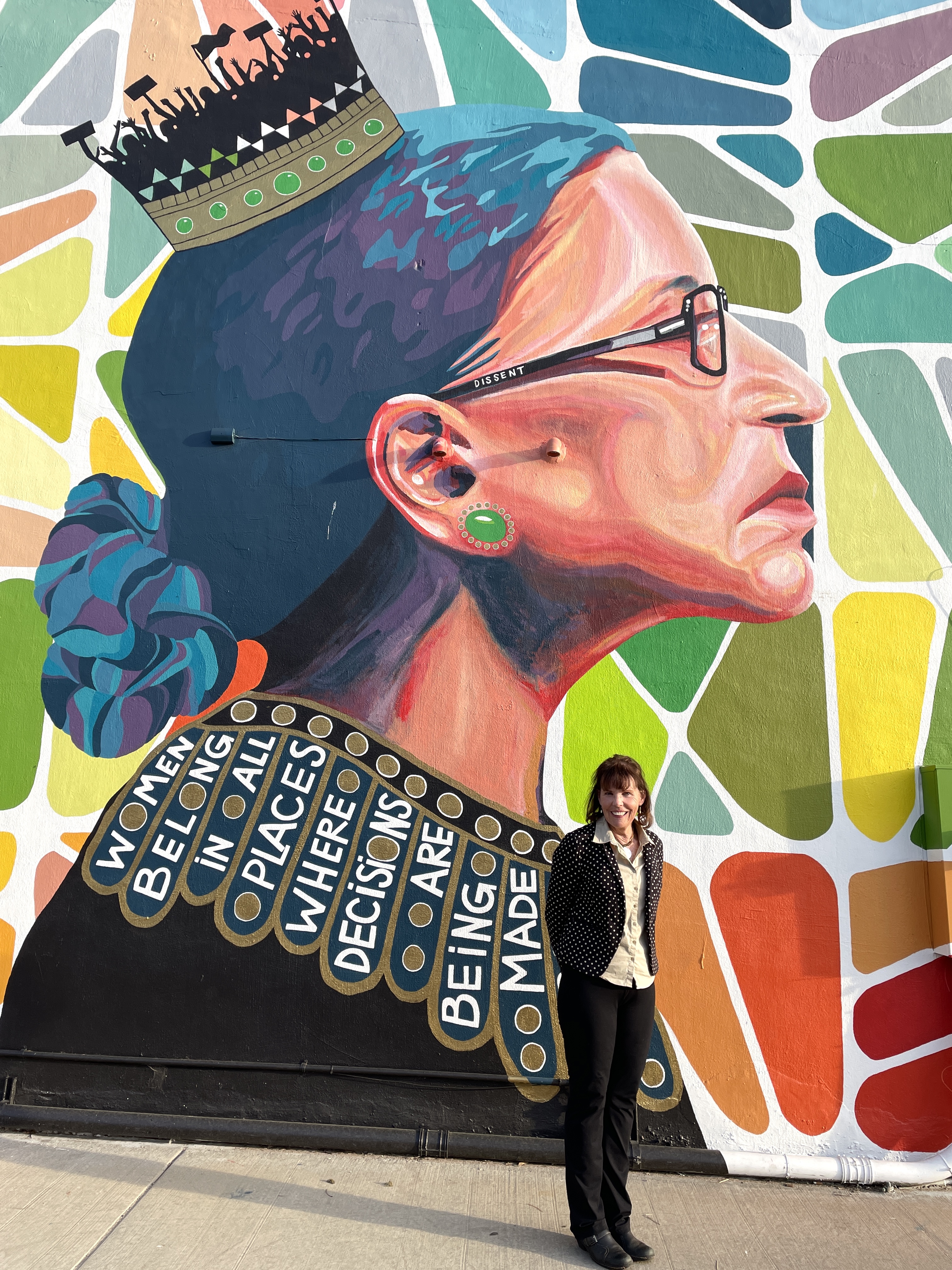
Today we celebrate a fantastic feminist and friend — always willing to listen to others and never afraid to speak up for what’s right. Her name is Anne, and she just happens to be Devin’s mom!
Since knowing her, I’ve seen her protest at the Wisconsin State Capitol, march on Washington, speak at county meetings, knock on doors for many causes, and phonebank for Elizabeth Warren.
In everyday life, she is soft-spoken and reserved, but her actions are loud. She is someone who lives by her convictions.
I’m grateful to know her and to learn from her example.
Love,
Kristy
//THEN
When I was growing up, I waited for Easter Mass the way I waited for Christmas or summer vacation. At our church, when you walked in, the sanctuary would be dark to represent the tomb where Jesus’s body lay. Then, a huge low drum would start beating like a heartbeat while a woman named Sharon Castleberry would sing, “Roll! Roll! Roll that stone away!” in a booming voice. As she sang, the lights came up slowly, like a sunrise, symbolizing the miracle of the Resurrection. I still get goosebumps when I remember.
The church was festooned with gold and pastel fabrics. The pews were two or three times as full as usual. And everyone wore their “Easter best” (which consisted of brand new dresses in light colors or crisp new slacks with jackets and a lot of hair spray or hair gel. Not a hair out of place). It was clear that this was a Special Occasion. We were there to contemplate the miracle at the center of our faith.
//NOW
As an adult, I no longer go to Catholic Mass. I go to a Unitarian Universalist church, where Easter is still one of the biggest holidays (along with Christmas), but not everyone wears their “Easter best,” unless that definition includes someone’s best protest t-shirt (SAVE THE PLANET) or an Easter hat with a button pinned to it that says something like I’M ALREADY AGAINST THE NEXT WAR. It’s possible we’ll hear a Mary Oliver poem about nature as part of the service, and nothing is likely to be as theatrical as the Easter Masses I remember from my childhood.
I don’t think The Resurrection is the miracle at the center of our faith, though we do talk about Jesus a lot.
It’s just that we tend to focus on miracles that might be considered less spectacular. You know those people who say things like “Jesus was a radical socialist feminist”? That’s us.
We talk about how he said, “Feed the hungry. Clothe the naked. Shelter the homeless. Comfort the sick. Visit the imprisoned.”
And to me, it seems absolutely incredible that he convinced other people to believe the same. I mean, have you ever convinced people that everyone is equal in the eyes of God and that they should drop everything they are doing –– their jobs, their quests for social status and success, their mundane challenges and distractions to preach the gospel of love? The older I get, the bigger that miracle seems. It knocks me over and makes me cry. It takes my breath away.
Once Reverend Ana Levy-Lyons, our minister in Brooklyn, preached a sermon about the miracle of the loaves and fishes. She said that often this is interpreted as a magic-trick miracle in which Jesus asks people for some fish and loaves of bread and “Ta-dah!” he makes a feast to feed the masses. What’s the moral of this story? God will provide.
It’s a comforting moral, but Reverend Ana doesn’t read the story that way. Instead, she considers that story to be about a group of people afraid that they don’t have enough to eat. Some people have bread. Others have fish. And lots of people have no food at all.
The people who have food are clinging to it desperately. They are afraid that if they share, they will starve. They are willing to eat nothing but bread for the rest of their lives, instead of taking the chance to trade a morsel of bread for a morsel of fish from their neighbors. And vice versa for the people who have fish. They are willing to watch people in their community die from hunger. They shake their heads and shrug their shoulders, “At least it’s not us.”
And then comes Jesus who says, “Bring whatever food you have, and let’s use it to feed everyone. Don’t squirrel it away for you and your family. Share.”
Can you imagine how people responded?
I can. I think just like them.
“What is Jesus thinking? I’m not giving up my food! There’s not enough to go around! We are in a food crisis, and I have to look out for me and mine even if that means that others will suffer. Those people are not my responsibility.”
Yet somehow, Jesus doesn’t get laughed out of town. He convinces the crowd. They go to their houses and bring back all of their food, and they wait while Jesus makes fish sandwiches. And lo and behold, there are enough fishwiches to go around! Everybody eats. Nobody starves. They are saved by generosity and compassion and trust in each other.
These are the miracles I like to contemplate because they have the lessons I need to learn.
I used to ask God to make miracles happen in my life. “Please, God, do this for me!” “Please, God, help me get this.” “If you do this for me, I’ll never ask you for anything ever again.” (That kind of thing.)
Now I ask God to help me want less. I ask God to help me do more. I ask God to help me give to others even when I want to keep everything I have for myself.
I pray for things that seem smaller and less majestic than the parting of the Red Sea. But in my life, these are the challenges I struggle with, over and over again.
I think if I were pitching my current religion to my younger self, she would not be impressed. She’d want to bask in the magic of Easter, to think about Jesus and wonder “How did he do that?”
At the very least, she’d like a big drum booming in a darkened sanctuary. The lights coming up as the music swelled.
I can imagine telling her about the less-magical interpretation of the loaves and fishes story and seeing her face draw a blank. “That’s it? You think it was just people sharing? You call that a miracle?”
I don’t know if I could explain my faith in a way that would make sense to her, but I hope that maybe it makes sense to you.
Love,
Kristy
P.S. Unitarian Universalists are notoriously bad at evangelizing (maybe you’ve heard the jokes?), but I’m trying to get better at it because it really is one of the most rewarding parts of my life. If you’re curious about my church, here’s a link to check it out: https://www.fuub.org/home/ The service is at 11 ET/10 CT every Sunday in Brooklyn or on Zoom. I can send you a link if you’re interested!
P.P.S. If these words sound familiar, it’s because I posted a similar essay last year. I wanted to post a shorter version this year.
Volunteering at soup kitchens and painting schools is great, but that’s not how Martin Luther King, Jr. changed the world.
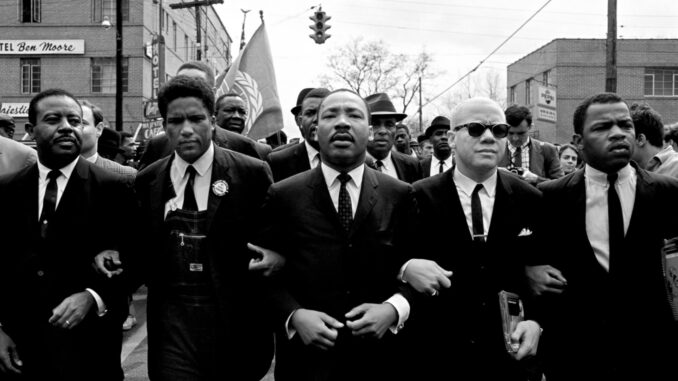
The United States declared Dr. Martin Luther King, Jr.’s birthday a federal holiday in 1983. Since then, it has come to be celebrated as a “Day of Service,” which usually translates to volunteering in one’s community doing nice things like painting murals, picking up trash, or donating blood.
These are in themselves good things to do, but to associate MLK with volunteering is to misrepresent his life and his legacy.
Dr. King was not a volunteer. He wasn’t a kindly Santa Claus figure who wearily sighed, “Can’t we all just get along?”
He was a revolutionary who demanded structural change.
He did not just “have a dream.” He acted on his convictions, risking––and ultimately, losing––his life to challenge the status quo of injustice. He led marches and strikes and went to jail for breaking unfair laws.
And we have every reason to believe that, had he been allowed to live, he would have continued protesting racism, war, and economic exploitation.
So, what does it mean to “celebrate” MLK Day? What if, instead of volunteering, we read, listened, and reflected on his words and whether we have achieved the future he imagined? (For instance, how is it possible that some states celebrate segregationist leaders on the same day as Martin Luther King, Jr.?) What if we expected the country to live up to what Dr. King dreamed and demanded? And what if we took action to fix the ways in which it doesn’t?
Over the past five years, I’ve seen this interpretation of the holiday gain traction. This year, members of Dr. King’s family are calling on us to use MLK Day as a Day of Action for Voting Rights.
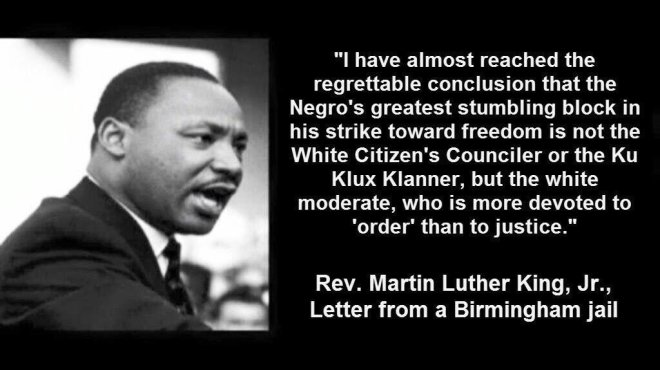
*About the title of this post: I thought of this after reflecting on how challenging injustice is not “nice” or “polite” behavior. Activism requires confronting injustice and making “good trouble” to challenge “the way things are.” Dr. King was willing to stand up for his beliefs. He angered and inconvenienced both people in power and incrementalists who agreed with him but believed we should “wait for things to get better in due time.” That is what I mean when I say he was not a nice guy. In the face of injustice, I don’t believe any of us should be “nice.”
Note: I adapted this post from a blog post I wrote on MLK Day in 2017.
My cousin Ana Karen sent me this video she filmed when her family came over a few weeks ago. Usually, smartphone videos seem different from the home videos of my childhood –– back when all the moms had a big videocamera glued to their right eye on special occasions –– but this one feels like the big VHS tapes of my cousins and me that we would re-watch around the holidays.
I can imagine returning to watch this video, over and over again, with my sobris Nolito and Dahlia to remember what this time in our life was like. It’s an instant treasure. ¡Mil gracias, AK!

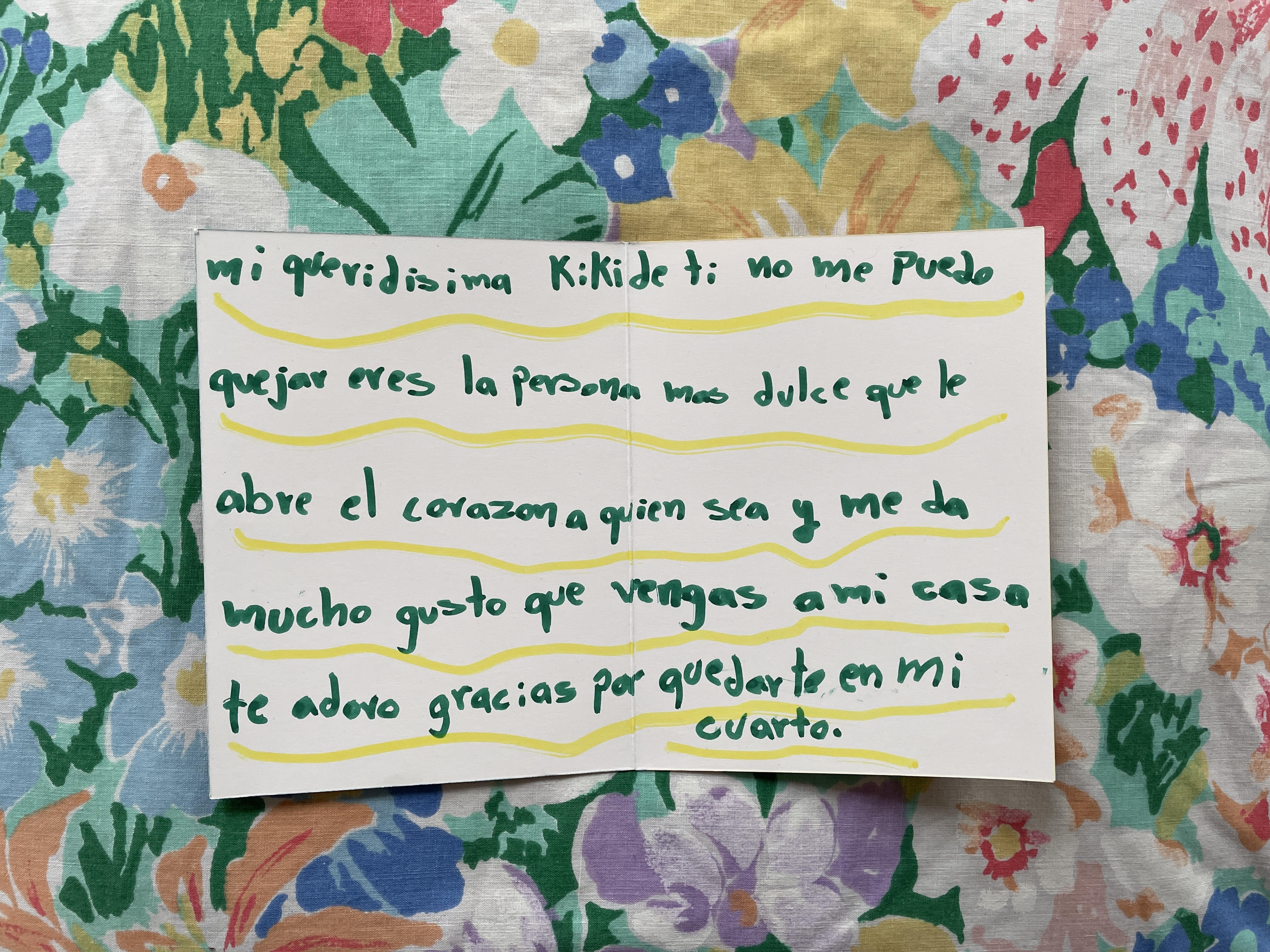
Ten years ago, I became Tía Kiki and wrote a letter to my sobri Victoria on this blog. This year she wrote one to me. It is the nicest letter I’ve ever gotten, and it reminds me of the coolest part of being a tía: first, you love the babies, and then, they love you back. Logically, I understand that this pattern is key to human survival, but to experience it first-hand is incredible. I feel lucky beyond words.
.
I wrote this in a notebook on the 2nd of January (2021) and then packed away the notebook and didn’t find it until many months later, but I love to uphold personal traditions, so here I am, typing it up in November. I learned a lot of hard lessons in 2020, and I worry I might forget.

THE PARTIES
THE PANDEMIC


 smoothliminal