Free Passes

This week I read Dahlia Grossman-Heinze take down rape culture in two posts (one about Woody Allen, the other about Harvey Weinstein), and it got me thinking.

Do you ever wonder what our lives would be like if predatory, abusive men didn’t get a free pass?

I was only 3 years old when Woody Allen’s sexual abuse made headlines. I was 8 when he married his stepdaughter. All of this was common knowledge, and he got to keep making movies and winning awards. In high school, I thought he was brilliant and hilarious. I wanted to grow up to be Annie Hall. Nobody told me that he didn’t deserve my admiration, even though plenty of people knew.

Same with Bill Cosby, who got to host Kids Say the Darndest Things, even though his history of sexual assault was an open secret in Hollywood.
.

And same with R. Kelly, who got to release everyone’s favorite party anthem “Ignition (Remix)” in 2002 even though he illegally married a 15-year-old in 1994 and has been accused of raping teenage girls countless times, beginning in 1996.

Even Bill Clinton. I know it’s controversial to mention him in our bipartisan political context, but even the most dyed-in-the-wool Democrats have to admit that he was, at best, a creepy boss who took advantage of unfair power dynamics––both in having sex with subordinates and later discrediting them in the media, long enough for their lives to be ruined even if the truth came out eventually.

There are so many men I grew up admiring only to learn later that they had a history of disrespecting or outright abusing people like me. I think about how their crimes were known and their reputations were untarnished. Then, I think about how they are still out there, succeeding, largely undiminished by their “scandals.” I wonder how many other, younger men are still getting free passes. And I wonder how long it will take for us to stop giving them out.

Free Passes

“Please don’t forget about Zacatepec. Nobody has come to help us.”

Dear friends,
My friend David Reyes and his family are coordinating relief efforts in Zacatepec, Morelos, Mexico, and they need our help. Zacatepec is a town located 7 kilometers from the epicenter of the earthquake. If you look up #Zacatepec on Twitter, you will see photo after photo of a town reduced to rubble and read messages that say, “Please don’t forget about #Zacatepec. Nobody has come to help us.”
Because it is hard to get money and supplies to Zacatepec, our efforts are extremely time-sensitive. David is leaving for Zacatepec on Thursday, so we need to get funds to him by Wednesday (9/27) to buy supplies. His family is working with a team of volunteers, including 40 doctors from San Luis Potosí, in a gym that has turned itself into a relief center run by volunteers.
Our donations will be used to buy medical supplies to provide care to injured residents as well as tarps, portable stoves, and potable water to those left without homes. If you would like to contribute, I can accept cash or checks in person or you can donate online through the following accounts, one is managed by me, the others, by Emily Reyes (David’s wife).
Chase Quickpay: Email me for account information (smoothliminal@gmail.com)
Paypal: Email me for account information (smoothliminal@gmail.com)
I am including photos of the Zacatepec relief efforts that David is helping with in this post. Anything that you can give helps keep these efforts going.
Thank you to everyone who has reached out this past week and asked how to help. I am proud and grateful to call you my friends,
K

This slideshow requires JavaScript.

“Please don’t forget about Zacatepec. Nobody has come to help us.”

DACA Renewal Directory

Are you looking for the Illustrating Immigration survey? Click here. ¿Buscas la encuesta de Inmigración Ilustrada? Haz clic aquí.


Screen Shot 2017-09-17 at 1.24.08 AM.jpgImage via Campus Compact of Oregon

The Trump administration recently announced that the Deferred Action for Childhood Arrivals (DACA) program will be terminated. This means that 800,000 DREAMers could lose their temporary protected status. However, despite the end of the program, DACA recipients will have DACA status and work permits until these documents expire––and some are eligible to renew DACA issuances. If you have a permit that will expire between now and March 5, 2018, you must apply for a two-year renewal of your DACA by October 5, 2017.

Applying for DACA is costly. Many of the young people who have DACA are unable to pay the application fees––around $500––on such short notice. This page is a directory of lawyers and organizations offering to process DACA renewal applications at no cost. It is meant to be a resource for for individuals eligible to reapply. It will be updated nightly from now until October 1.

If you are able to give money to help cover DACA application costs, click to donate to United We Dream’s Renewal Fund.

If you know of other resources, lawyers, or organizations that should be on this list, please email their contact information to smoothliminal@gmail.com


Continue reading “DACA Renewal Directory”

DACA Renewal Directory

Illustrating Immigration/Inmigración Ilustrada

illustrating immigrationAnja Riebensahm and I are continuing our project Illustrating Immigration. This time Anja will be illustrating stories from immigrants of all ages! If you have moved  from one country to another, fill out our survey, and/or send it to someone else who has.

Survey in English | Encuesta en español

Illustration by Anja Riebensahm

Illustrating Immigration/Inmigración Ilustrada

A long story about books and shame and dreams for Latinx babies

solbookbox.jpg

I’ve written about this before, but when I moved to the States, the first thing I learned was that being Mexican and speaking Spanish was not cool (unless you were a talking dog that said “Yo quiero Taco Bell.” That dog was everywhere, and everyone seemed to think it was hilarious).

I’d grown up hearing, “El que sabe dos idiomas, vale por dos,” watching Follow Muzzy to improve my English over the summer, and attending a private school that prided itself on teaching every subject in Spanish and English. Everyone in my family spoke at least two languages, and the grown-ups taught us that being able to communicate with lots of different people was one of the coolest things you could do.

In Texas, the opposite seemed to be true.

The public school I went to was starting an English-Spanish bilingual program, but there were no books or materials. My mom was actually the lone bilingual teacher in charge of implementing this program. Her job was to teach all the kids from kindergarten to sixth grade, and faced with an empty classroom, she did the only thing she could think of. She got on a plane and flew to Chihuahua to buy books.

As I got used to living in Texas, it became harder to feel proud of my culture or to speak Spanish in front of other people. Once, at the grocery store, I noticed a White woman giving us a dirty look while I asked my mom a question in Spanish. My cheeks felt hot, and I stopped talking.

On the walk home, I asked my mom if we could speak Spanish at home and English in public. She said no. I asked if we could try to speak Spanish softly, instead of yelling. Suddenly, we seemed intolerably loud, and I wanted to do anything I could to make ourselves acceptable to the people around us.

I wasn’t the only one. At school, students told my mom they didn’t like their “ugly brown skin.”

“Why would you want to have lighter skin?,” my mom would say. “Our skin is kissed by the sun, our skin is the color of cinnamon. ¡Están hermosos!”

She taught us to sing “Ojos Negros, Piel Canela” and march around the classroom to songs by Cri-Cri.

Soon my classmates (most of whom had not learned to read in any language despite the fact that they were in 2nd grade) were reading and writing in Spanish. Their parents could read what they wrote! And their families looked really happy when they came to parent-teacher night to see my mom.

Against my wishes, I was soon transferred to an English-only classroom because the school said bilingual education was only for kids who didn’t speak English.

In my monolingual classroom, I met Latinx children who didn’t speak any Spanish at all. Many of them had parents who spoke limited English, and they seemed to rely on the older children in the family to interpret between the parents and the little ones.

In the past two decades, I’ve met countless families like this, and I’ve thought about how to prevent intra-familial language barriers.

The two things I believe we have to do if we want Latinx kids to grow up speaking Spanish in the United States are the things my mom has always done for her students and for me:

1. Teach them about their culture. Too often, schools––even schools that serve a majority Latinx population––neglect to teach kids about Latin American and Chican@ cultures, so we have to make up that difference ourselves. I once babysat for a family that only played Spanish-language music, movies, and television in their house. The little girls in that family understood Mexican culture despite never having been to Mexico. They laughed at their tía’s jokes and played “A la vibora, vibora de la mar” with their cousins.

2. Teach them to read and write in Spanish. Even when I wasn’t in a bilingual class, my mom kept buying me books in Spanish; my cousin Caren shared the novels she was assigned in school; and I felt really cool when I got older and could read books like Love in the Time of Cholera in their original form. (My aunt Martha Cecilia still buys me a book in Spanish every time she is in a bookstore because she’s that thoughtful.) Through my books, I learned words that made me gasp “There’s a word for that?!” and were impossible to translate. Thanks to my books, when Texas got to be too much, I had a way to escape to places where I wasn’t weird, and my culture wasn’t considered inferior. 

Now that I’m older, I often meet people who say they want their kids to grow up speaking Spanish. I take that super seriously because I know the difference it has made in my life.

I am not exaggerating when I say that being fluent in Spanish made the difference between having a close relationship with my grandmother and growing apart, between being proud and ashamed of who I am and where I’m from, between being myself and being someone altogether different.

That’s why I will always speak to your babies in Spanish if you want me to, and I will always get them books so that they can learn for themselves. That’s why when my cousin Vanessa told me she was starting Sol Book Box, I was all in.

It might seem strange for a childless person to be so excited about a book subscription service for Spanish-speaking children, but I signed up as soon as I could because it is hard to find books in Spanish at U.S. bookstores, and every time I give a book en español to a Latinx baby, I am praying that they get to grow up in a better world than I did.
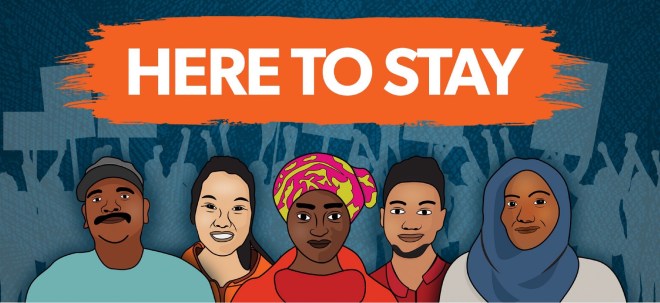
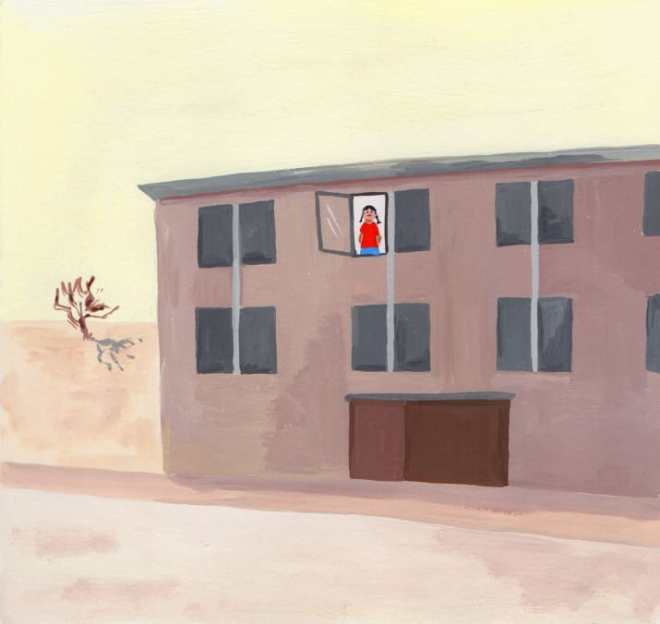
A long story about books and shame and dreams for Latinx babies

Changing my name (but not really)

kristina-marie-fullerton-rico
When people asked me if I would take my spouse’s name after getting married, I would give an emphatic “NEVER!”

But actually, I’d already changed it.

In Mexico, I had two last names––my dad’s and my mom’s, same as everybody else––but on my U.S. documents I only had my dad’s, so when I moved to Texas, I lost my mom’s name.

I grew up thinking that that was the way it was. In Mexico, I had my full name. In the United States, not quite.

Last year when I shared my immigration story publicly, I decided I wanted to use my full name. It felt important to link myself to the people who raised me and love me and give me strength every single day and to the country that has been my home as long as I can remember. I decided I wanted to reclaim my full name in the United States and made that my resolution for 2017.

Then, the election happened.

Now there are many things that feel much more urgent than dealing with the bureaucracy of changing my name, so I’m not doing it yet. However, I have started using my full name everywhere I can.

So this is just a note to say, if you see an extra word hanging off the end of my name, don’t be confused. It’s just my name, and all of it is mine.

Sincerely,
Kristina Marie Fullerton Rico

Changing my name (but not really)

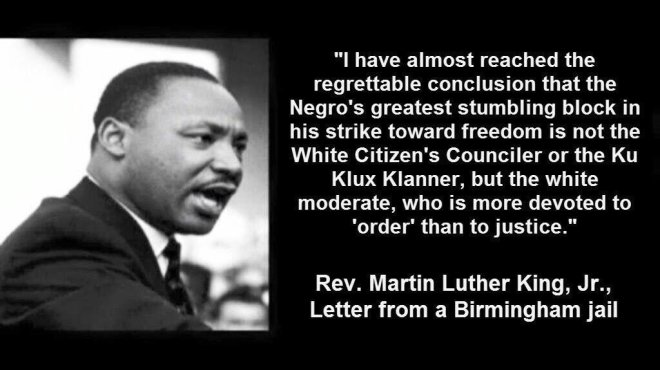
Martin Luther King, Jr. was not a nice guy

Volunteering at soup kitchens and painting schools is great, but that’s not how Martin Luther King, Jr. changed the world.

csrb0wfwcaephbs1

The United States declared Dr. Martin Luther King, Jr.’s birthday a federal holiday in 1983. Since then, it has come to be celebrated as a “Day of Service,” which usually translates to volunteering in one’s community doing nice things like painting murals, picking up trash, or donating blood.

These are in themselves good things to do, but to associate MLK with volunteering is to misrepresent his life and his legacy.

Dr. King was not a volunteer. He was a revolutionary.

He did not just “work to make things better in his own community.” He wasn’t a kindly Santa Claus figure who wearily sighed, “Can’t we all just get along?”

He did not just “have a dream.” He acted on his convictions, risking––and ultimately, losing––his life to challenge the status quo of injustice. He led marches and strikes and went to jail for breaking unfair laws.

And we have every reason to believe that, had he been allowed to live, he would have continued protesting racism, war, and economic exploitation.

It’s obviously impossible to expect a country to have a nationally-designated “Day of Revolution,” but what if instead of volunteering, we had a national “Day of Reckoning” on Dr. King’s birthday? What if we read, listened, and reflected on his words and whether we have achieved the future he imagined? (What does it mean, for instance, that some states celebrate segregationist leaders on the same day as Martin Luther King, Jr.?) What if we expected the country to live up to what this leader demanded? And we were expected to take action to fix the ways in which it doesn’t?

Some people are doing just that. Three years ago, Black activists called for Americans to #ReclaimMLK––sparking articles, conversations, and protests that connect Dr. King’s vision to the present day.

This year #ReclaimMLK is a week-long call to action, with each day focusing on a different theme.

Screen Shot 2017-01-16 at 3.06.44 PM.png

These efforts are led by the Movement for Black Lives, a coalition of more than 50 racial justice and civil and human rights organizations. However we can, wherever we are, I hope we can heed their call to “embrace all parts of King’s legacy.”

Learn more and find planned actions here.

*About the title of this post: recently, I have been reflecting on how challenging injustice is not “nice” or “polite” behavior. Activism requires confronting injustice and making “good trouble” and challenging “the way things are.” Dr. King was willing to stand up for his beliefs. He angered and inconvenienced both people in power and people who agreed with him but believed we should “wait for things to get better in due time.” That is what I mean when I say he was not a nice guy. In the face of injustice, I don’t believe any of us should be “nice.”

Martin Luther King, Jr. was not a nice guy

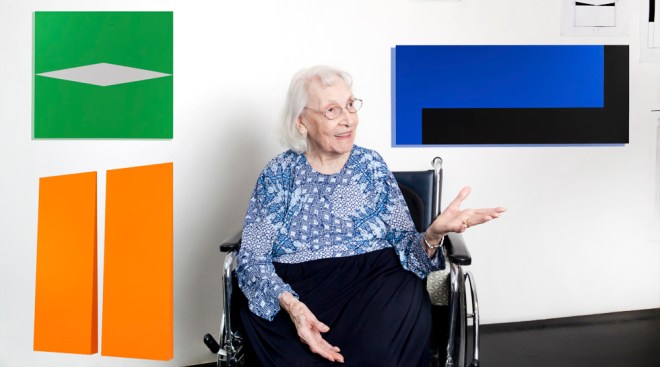
Carmen Herrera: Prodigiosa y Tenaz

Last spring I did my first translation for a major U.S. museum. I translated an essay by Gerardo Mosquera for the Whitney Musem’s exhibition, Carmen Herrera: Lines of Sight. Incidentally, this is Herrera’s first solo exhibition by a major museum, so I felt even more passionate about getting it right.

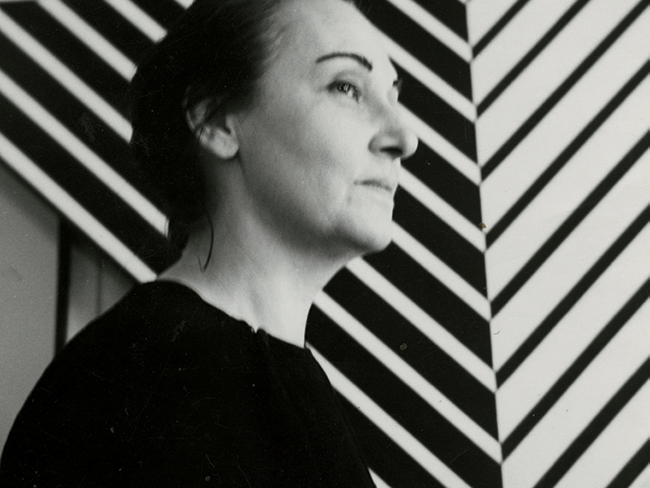
To prepare, I read everything I could about Carmen Herrera, abstract expressionism, and minimalism in Spanish and English. My initial aim was to familiarize myself with terminology, but even after I got a good sense of the lexicon and determined translations for concepts that were new to me, I kept reading. I was fascinated by the 101-year-old Cuban, American, immigrant artist who received very little recognition before her hundredth birthday but kept painting anyway. I love her. I love everything she symbolizes. Here are some of the coolest things I learned.

wmaa_herra_install-18_resizedforweb_800
photo via the Whitney Museum of American Art

Carmen Herrera started painting as a child and dedicated her life to making art, despite not selling a single painting until she was 89.

afce9c8f20431bb3cb3a0f6628a56a36
photo via The 100 Years Show, a documentary film about Herrera

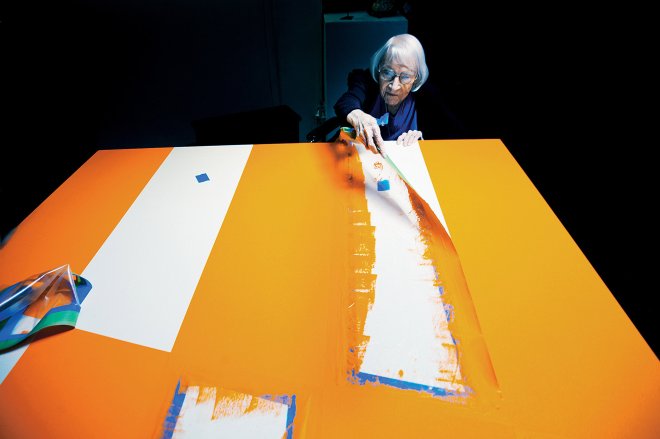
Despite being arthritic and wheelchair-bound, she continues to paint every day.


herr930001
photo via Lisson Gallery


She explains that her art is driven by the quest for simple geometric abstractions and refutes interpretations of her paintings that contradict her.


herrera_blanco_verde_1959_672
photo via the Whitney Museum of American Art


Her interviews are incredibly fun to read because she seems to have a witty retort to everything, including art criticism: “‘People see very sexy things — dirty minds! — but to me sex is sex, and triangles are triangles’” (quoted by Deborah Sontag).


042_gotfal16-2
photo via Gotham Magazine


Gallery owners admitted that she was producing better, more innovative work than her male peers and explicitly refused to represent her because she was a woman; the only museums who showed her art were museums dedicated to showing art by marginalized, Latin@ artists; and still, she persevered.


carmen_master2
photo via StudioFaculty.com


Her success began a few years after her husband died, and people around her asked if maybe her husband––who had been a staunch supporter of her work––was helping her from heaven. In a 2009 interview, she refuted that interpretation: “‘Yeah, right, Jesse on a cloud. I worked really hard. Maybe it was me.’”


wmaa_herra_install-05_resizedforweb_800
photo via the Whitney Museum of American Art


Her favorite artist is herself.

The Whitney retrospective closes this Monday, but I hope it is the first of many. That may well be the case because, after it closes in New York, the show is headed to Ohio.

Carmen Herrera: Prodigiosa y Tenaz

2016 in review

JANUARY

screen-shot-2016-12-31-at-7-47-27-pm

In January, Devin and I took a road trip to New York, with a stop in Cleveland on the way. Seeing lots of friends (and one cousin––hi, Bridget!) was the perfect start to the year.

FEBRUARY 

screen-shot-2016-12-31-at-7-48-48-pm

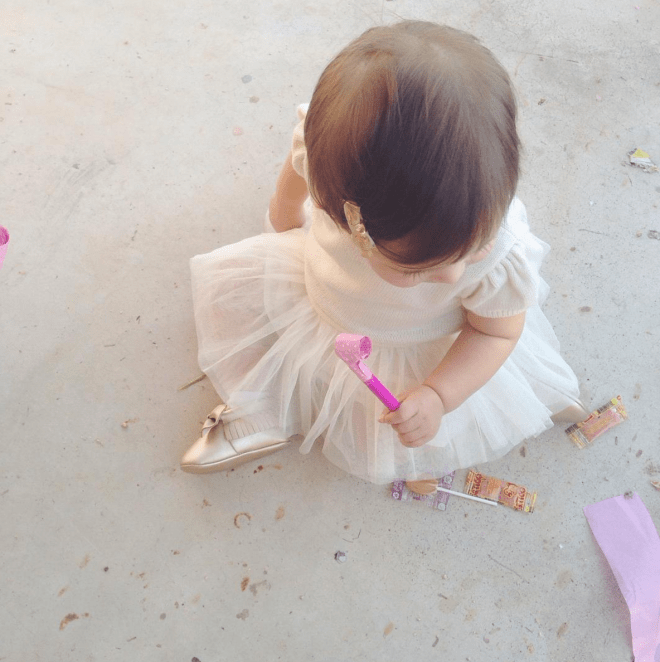
In February I traveled to Phoenix to celebrate my favorite valentine on her first birthday. I wasn’t sure what my first birthday in Madison would be like, but my friend Makeba came to visit, and it ended up being really fun!

MARCH

Screen Shot 2016-12-31 at 8.17.08 PM.png

Illustrating Immigration, a collaborative project featuring art by Anja Riebensahm, was published in March. When Anja and I came up with the idea to illustrate true stories about immigration to counter negative stereotypes, we had no idea how much worse anti-immigrant rhetoric would get. 2016 has been a terrifying, tiring year for many immigrants, and 2017 will likely see a deterioration of the few rights undocumented Americans have won in the past eight years. I feel sick when I think about it, and I am even more committed to sharing migration stories and encouraging solidarity in any way I can.

APRIL

screen-shot-2016-12-31-at-8-58-22-pm

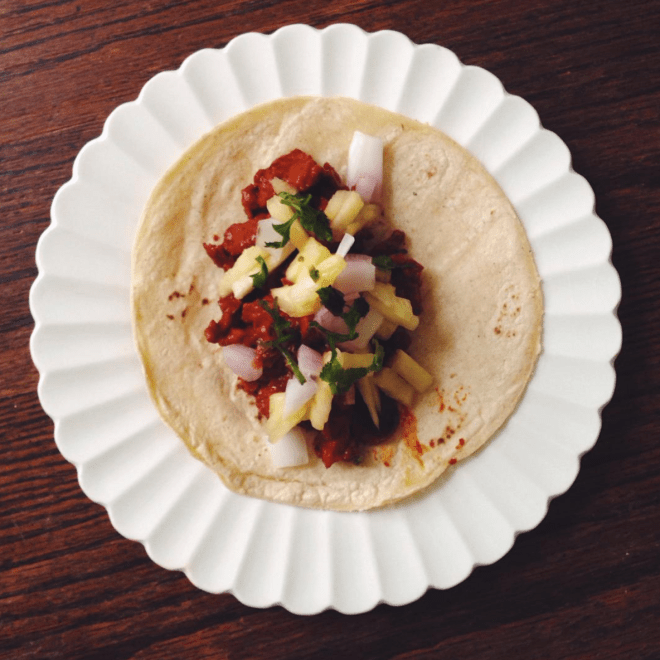
I finally perfected my tacos al pastor recipe, which felt like heaven for this Mexican vegetarian who misses almost all of her favorite foods.

MAY

Processed with VSCOcam with c1 preset

In May, I wrote about my grandmother’s feminism (alternate title: basketball, divorce, and secret leave-your-husband funds). 

JUNE

Screen Shot 2016-12-31 at 9.06.39 PM.png

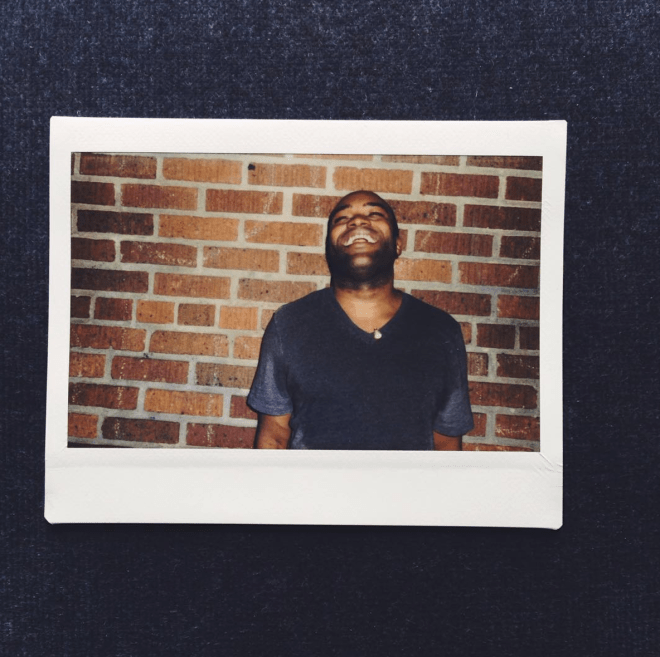
My five-year college reunion happened this summer. Fortunately, I’ve been able to see most of my friends from college very often, but it was great to live in the dorms for a few days and have everyone in one place. I especially liked photographing people and trying to capture what I love about them. This is Salim, the happiest person I know.

JULY

Screen Shot 2016-12-31 at 9.20.01 PM.png

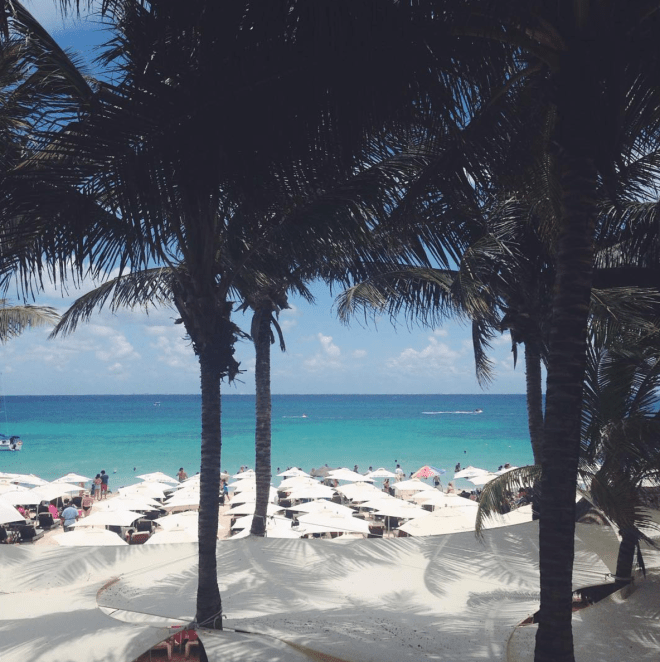
In July, I went to Playa del Carmen with my aunt and my mom. Then, I went to Mexico City to see two of my sobrin@s and my cousins before going to Chihuahua to see the rest of my family. I started 2016 thinking I wouldn’t be able to spend much time in Mexico, so I felt extra lucky to spend a month there.

AUGUST

Screen Shot 2016-12-31 at 9.43.55 PM.png

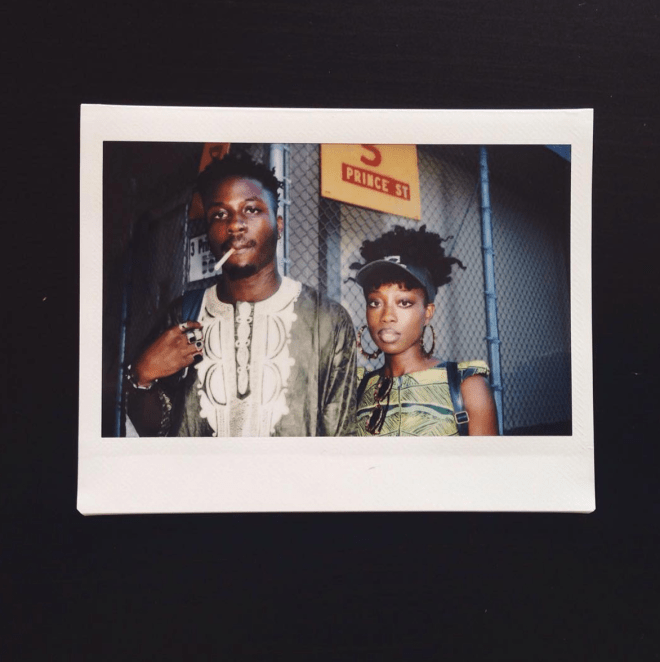
I got to take a quick trip to New York at the end of the summer. My friends Chris and Dani had extra tickets to Afropunk, where everyone’s style was so good that I got over my fear of asking strangers if I could take their picture. 

SEPTEMBER 

Screen Shot 2016-12-31 at 9.47.45 PM.png

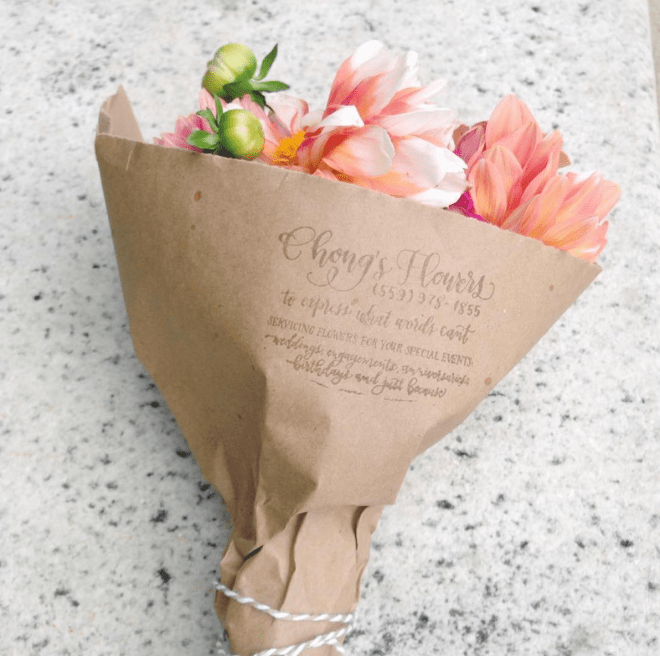
In September I came back to Wisconsin, in time to get flowers from the farmers’ market and have a surprise party for Devin and his greatest friends.

OCTOBER

Screen Shot 2016-12-31 at 9.49.31 PM.png

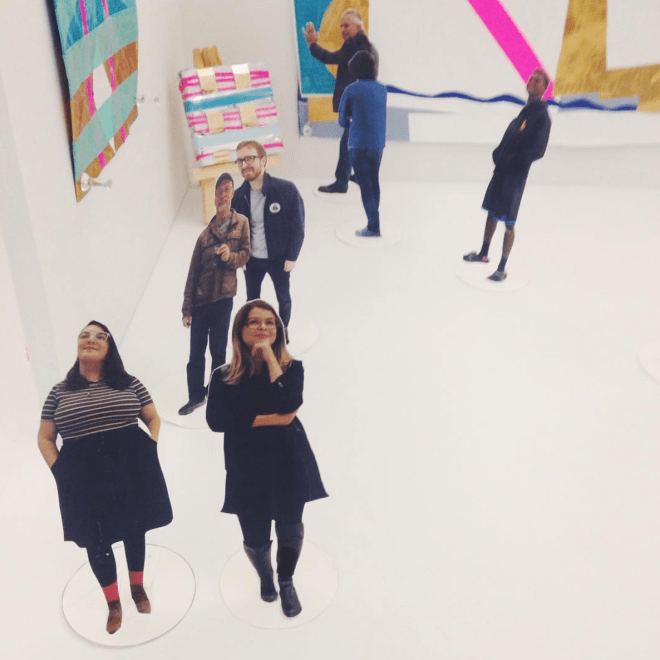
My beautiful, up-for-anything friend Melissa came to visit me in Madison, and I laughed for four days straight. Here we are in miniature as part of an exhibition called Lovey Town.

 NOVEMBER 

Screen Shot 2016-12-31 at 9.56.53 PM.png

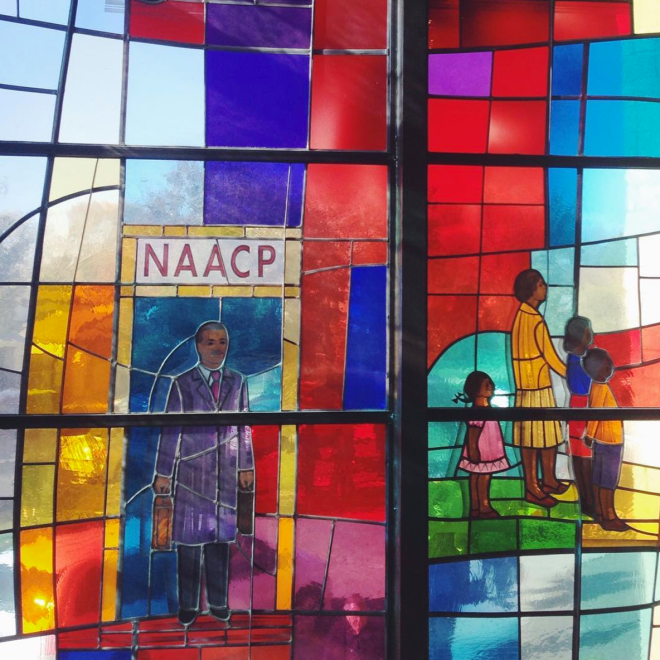
After the election, Devin and I drove to Chicago and went to Trinity United Church of Christ, the church that President Obama and his family attended when they lived there. They post clips of the sermons every week on Instagram––this one is my favorite.

DECEMBER 

Processed with VSCOcam with f2 preset

The best part of Christmas was hearing Carlos Manuel ask, “¿Es mío?” before opening each present to make sure he wasn’t opening someone else’s gift.

2016 in review

Rethinking My Thanksgiving

standing-rock

My favorite thing to do in the whole wide world is to make a big meal and eat with people I love. If I could feed 10 friends every night, I would be very, very happy. So, usually, Thanksgiving (or as my family calls it, Senguiben) is one of my favorite times of the year.

This year is different. Thanks to the water protectors at Standing Rock, I am more aware of Native American suffering and human rights violations than I ever have been. Instead of spending money on fancy ingredients and decorative gourds, I decided to donate that money to Standing Rock. Here is the link to donate.

And in case you haven’t heard about the people who have gathered in prayer to protect the water, sacred grounds, and indigenous sovereignty, here are a few links I used to learn about the water protectors and why they are protesting the Dakota Access Pipeline.  

ARTICLE
Read about Standing Rock and Native American history.

“[T]he tribes gathered at Standing Rock today are trying to stop a natural gas pipeline operator from bulldozing what they say are sacred sites to construct a 1,172-mile oil pipeline. The tribes also want to protect the Missouri River, the primary water source for the Standing Rock Reservation, from a potential pipeline leak.”

PODCAST
This week’s episode of Another Round is about Standing Rock and the conditions water protectors are currently facing.

Heben talks with Dr. Adrienne Keene about Standing Rock and the #NoDAPL (Dakota Access Pipeline) movement in North Dakota. We hear stories from people on the ground about preparing for winter, police violence, and healing.”

VIDEO
The Standing Rock Sioux recently released an eight-minute documentary about the ongoing struggle to stop the Dakota Access Pipeline.

“ ‘This film tells the story of our prayerful and peaceful demonstrations by water protectors that have motivated thousands of tribal members and non-Native people around the world to take a stand,’ said the Standing Rock Sioux Tribe’s Chairman, Dave Archambault II in a release. ‘In it, you hear the voices of people fighting for their lives, because water is life.’ ”

BLOG POST
Dr. Adrienne Keene’s photos and first-person account of being at Standing Rock, reflections on seeing the violence inflicted by police, and how we can help.

“All day I had been—without hyperbole—nearly certain I was going to watch someone die, and the stress weighed heavy. The next morning I tried to work on another piece of writing, and broke down in tears when Word ate it. The tears were not for the lost words, but for the fear and frustration and sadness at what I had watched on the plains. This is hard. With each day I am reminded again and again of how little we as Native peoples matter to US settler society.”

Rethinking My Thanksgiving