We can’t shop our way to a better world (I give really weird gifts)

Growing up I learned three cardinal rules about stuff.

1. Have all the best, newest, fanciest things you can buy.

2. If something breaks, buy a new one.

3. Show your love with presents––as many as you can afford to buy, as often as you can afford to give.

These were pretty standard cultural norms, but over my lifetime, they’ve started to evolve. As climate change worsens, we are all increasingly aware of our impact and lots of “environmentally-friendly” products have appeared on the market.

Now, instead of styrofoam plates, you can buy compostable plates. Instead of flimsy plastic bags, you can carry your groceries in a reusable tote bag from your favorite store. You can buy clothes made of organic cotton.

And none of these are bad things, per se, but if consumption is a driver of waste (sending old things to landfills) and pollution (because of the energy required to make and ship all these products), then consuming different stuff doesn’t fully address the problem.

The three R’s are meant to be followed in order:

REDUCE: buy/use less of everything

REUSE: treat nothing as disposable

RECYCLE: after we can no longer reuse something for anything else, then––and only then––should we recycle

For me, it’s also crucial to consider where and how things are made because I don’t want my organic cotton t-shirt to cost someone’s life (and, as we’ve seen, that’s not an exaggeration).

Instead of the rules I grew up following, I’m trying to form new values. These are the questions I now ask myself:

1. Where was it made, and who made it? Usually, the answer is this: 

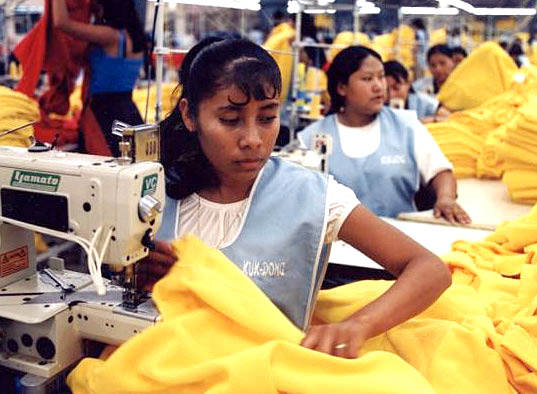
sweatshop factory
2. Can I buy it used?

3. If I can’t buy it used, is there an ethical alternative?

It’s not a perfect system. I still end up buying lots of stuff that comes from sweatshops, but it does help me buy less.

Another thing that has helped is thinking of myself not as a consumer but as a steward of everything I own. It’s my job to care for it, fix it, and ensure that it doesn’t end up in a landfill if there’s any way to avoid it.

Take, for example, my iPhone. I know that the story of its production is unspeakable injustice: from children forced to mine rare minerals to factory workers exploited in China, how many people suffered just so I could have this tiny supercomputer in my hands?

I feel terrible admitting this, but even though I know all of these things are wrong, I still love having this phone.

Until there is a recycled, fair-trade, ethical smartphone, I don’t want to do without it. So I do the next best thing. I keep it in a heavy-duty case to prevent it from breaking. I work hard to ensure it never gets wet. Once the screen broke and I paid to have it repaired, even though it would have been cheaper to replace the phone altogether. I could get easily get a newer “better” one, but I won’t until this one stops working or is completely obsolete.

Because I treat my possessions as a responsibility, I can usually talk myself out of buying something on a whim.

It’s much harder to resist buying gifts. I worry that the people I love won’t know I love them. Will they think I am stingy if their gift comes from a thrift store? Often the next best ethical alternative is too expensive for me to afford, and my gifts end up looking puny.

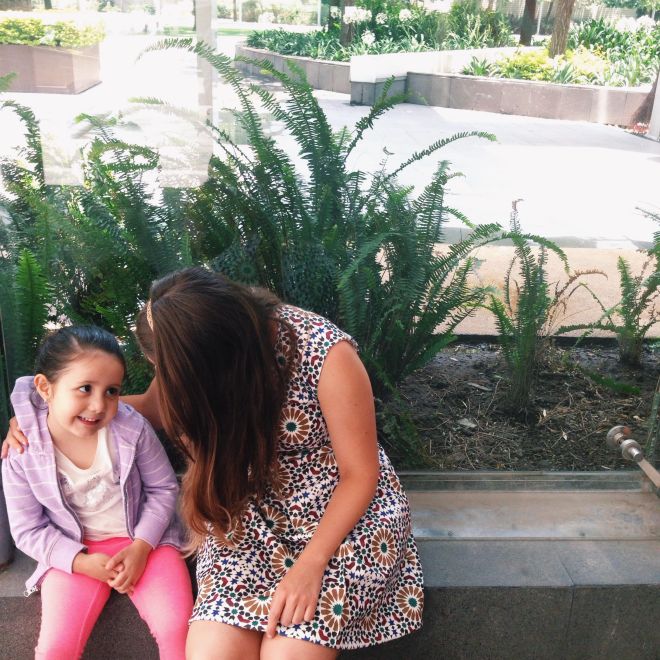
For example, once my mom gave my niece Victoria a pink tent in the shape of a castle that was big enough for her to play in. I gave her a feminist children’s book.

Guess which one she liked more.

The castle tent goes against everything I believe––aside from the problems with its production, it reinforces messages about femininity that I disagree with. I want Victoria to grow up knowing that she is intelligent, brave, compassionate, and that the least important thing to be is a pretty princess.

Still, l  wish I had given her something that made her as happy as that castle did.

I want to give meaningful gifts that don’t go against my convictions but do make the people I love feel happy, and I worry that it will take years for me to strike that balance because it is the opposite of what I know how to do. (Will it be too late to fix my reputation as a hopeless gift-giver? Will I even have friends and family by the time I figure it out?!) I guess I just have to hope that people really believe it’s the thought that counts. Because if there’s one thing I can say about my weird gifts, it’s that they come with an awful lot of thought.

We can’t shop our way to a better world (I give really weird gifts)

Balloonface Update

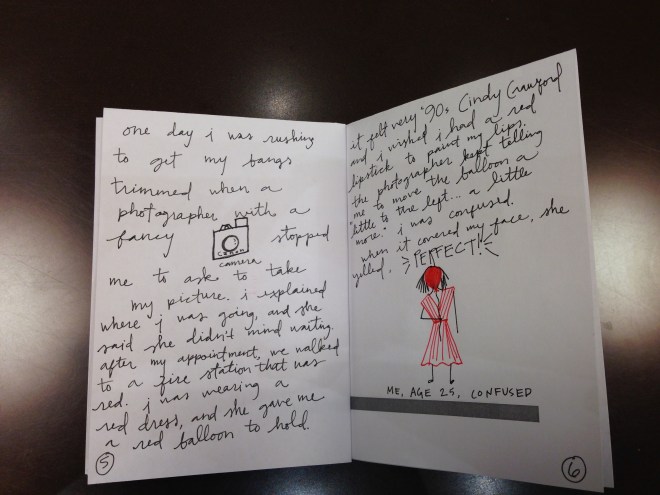
A while ago, I blogged about my first zine, in which I recounted the time I felt like a glamorous supermodel because a photographer stopped me on the street to take my picture.

I thought it would be the launch of my career, but then she asked me to hold a balloon and told me to move it “a little more to the left, a little more, a little more” until it covered my entire face. Then, she yelled “Perfect!” and snapped a dozen shots.

It’s a funny story, even if telling it always makes me wonder what it says about me and my face.

photo 4
I’ve never seen the picture of me, but today I found the photographer online. Her name is Sandra Lazzarini, and it turns out it’s not just me! She likes taking photographs of girls and women with their faces covered. For her, a face that can’t be seen doesn’t symbolize a lack of something but is rather “an opportunity for any other person to identify themselves in that shot.”

I like that.

Balloonface Update

2015 in Review

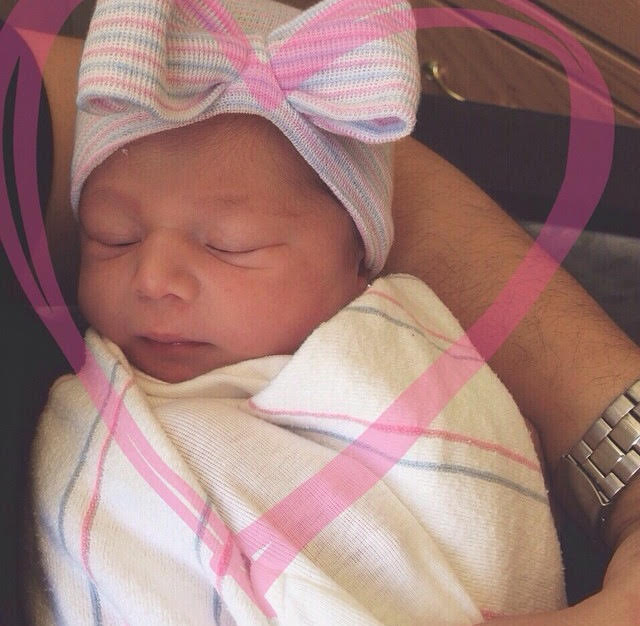
In 2015 I got a valentine named Leila (born February 14th)

1

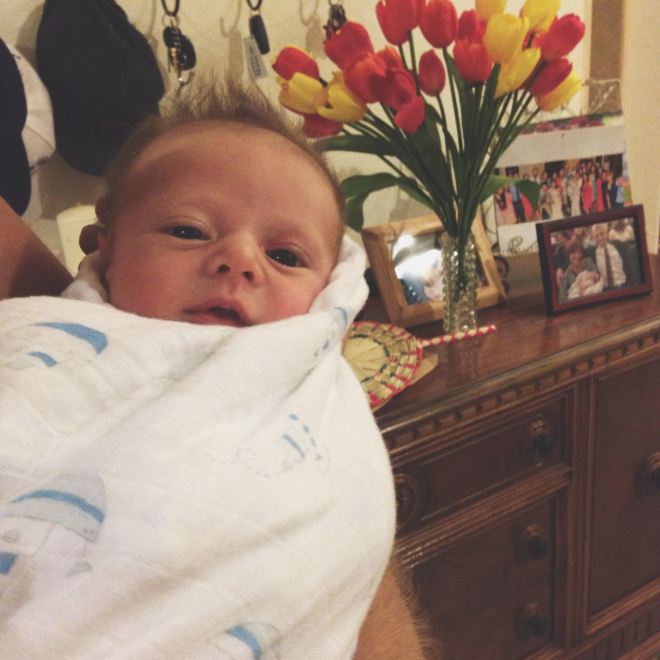
…and a little firework named Nolan Antonio (born July 4th).

Processed with VSCOcam with t1 preset

Devin and I finally went to Mexico City to visit my cousin Carol’s family. Carlos Manuel and Devin became fast friends and spent hours playing rockets. I wish I had a video!

Processed with VSCOcam with f2 preset

Victoria told me her favorite hobby was “helping,” so we spent time folding clothes and writing letters. She also learned to whisper and told me secrets like “I love baby Leila” and “Will you please come visit me again?” (I’m positive this information has been declassified by now.)


Processed with VSCOcam with c1 preset

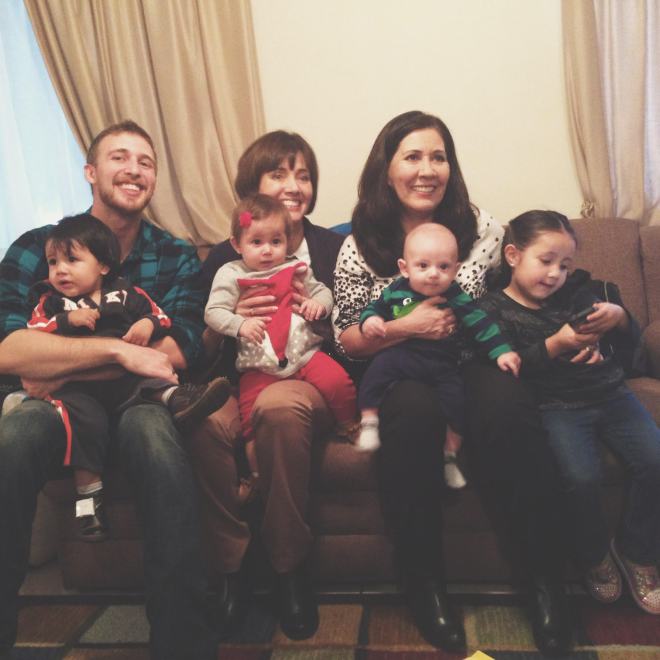
All four of my sobrin@s finally got to hang out together in November, and I realized just how little babies care about each other. Victoria was excited, but the rest of them were preoccupied with things like sleep, milk, and their mothers. I suppose the real lesson is that I know almost nothing about babies because I expected them to have so much fun and become BFFs, but I guess those types of interactions don’t happen until after you’ve mastered things like holding your head up and feeding yourself? IDK.

Processed with VSCOcam with t1 preset

This summer Devin and I said goodbye to New York and hello to a little city between two lakes. In between, we decided to see as many of our friends and family as possible. Our goal was to attend every wedding we were invited to and meet all the babies we hadn’t yet met, and somehow we were able to do it. Highlights from this summer vacation included

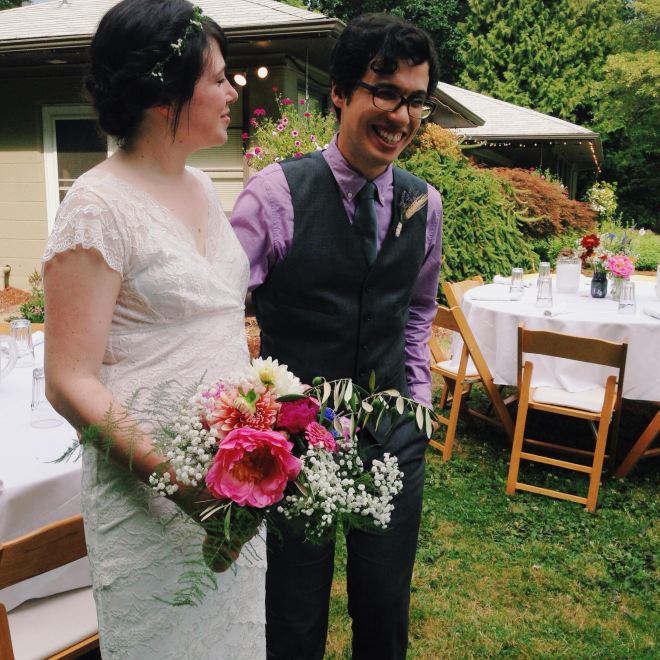
• going to Jill and Eric’s wedding in Portland (the first Portland wedding I went to was my own, and Jill and Eric came to our wedding, so it was like déjà vu + role reversal + our friend Tasha!)

Processed with VSCOcam with c1 preset

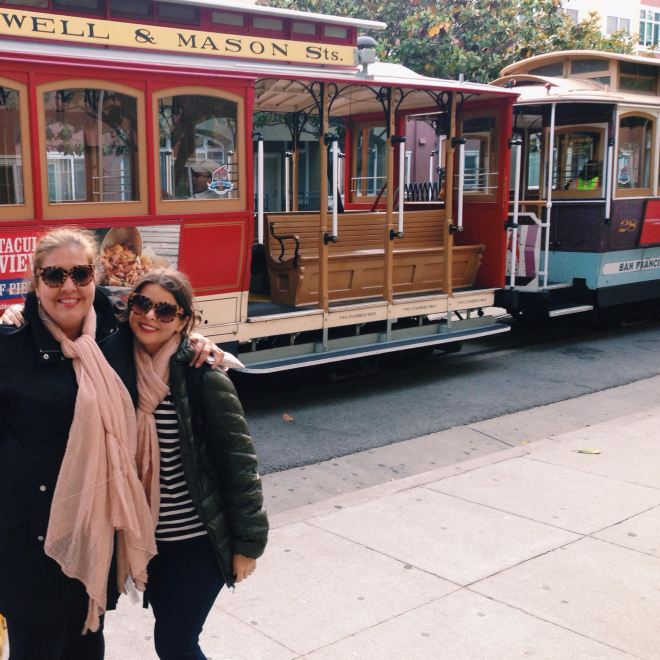
• sightseeing in San Francisco with my mom

Processed with VSCOcam with c1 preset

• sharing Chihuahua with the world via Enormous Eye

Processed with VSCOcam with c1 preset

• falling in love with Mexico City

Processed with VSCOcam with c1 preset

• packing up our apartment and saying goodbye to our friends in New York (that part was actually so hard and sad and why can’t you make everyone you love go everywhere you go?)

Processed with VSCOcam with c1 preset

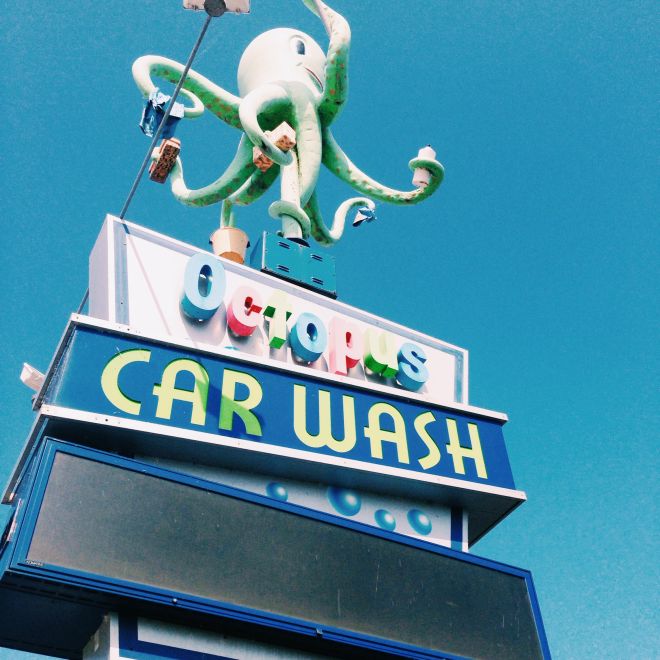
• being welcomed to our new neighborhood in Madison by this incredible octopus sculpture (it’s gone now, but I will never forget it)

Processed with VSCOcam with c1 preset

Sometime in 2015 I decided I’d like to be the Ambassador for Mexican Snacks. I blogged about burritos and junk food, and at Christmas I got my very American suegra hooked on Valentina, Mexico’s top hot sauce. Though I’m not yet receiving a paycheck for my ambassadorial services, I am certain that my career is on track and look forward to living in a mansion with a giant chamoy fountain in the center where I can entertain dignitaries and elevate Mexican snacks to the level of fame they deserve. I expect all of this to happen within the next year, and you are all invited to the housewarming party. ; ) 

2015 in Review

Surprisingly Easy (to Humiliate Myself)

Although I’ve lived in Madison for quite a few months, I still manage to embarrass myself at least daily.

For example, the other day I took a taxi to meet a friend at a bookstore and stayed in the car an extra five minutes because I thought we were stuck in traffic. In fact, we had arrived, and I was just sitting there making the cab driver feel awkward. (There is no traffic in Madison.)

Finally, he asked me if I’d ever “been here before,” and I was like, “Oh, I moved here in September. It’s been really nice!”

“Cool, but um, I meant the bookstore.”

“Oh! We’re here?! So fast?!” and then I mumbled something about traffic as I tried to exit gracefully.

I’m still ready to strategize and compete for everything, so I end up arriving way too early to events to “make sure I get a seat.” (There are always plenty of seats.)

I didn’t think I was that accustomed to public anonymity, but I jump every time I hear someone yell out my name in public despite the fact that I know there is a 0% chance I won’t run into someone I know anytime I leave my house. This one’s particularly embarrassing because I’m trying to make new friends, and I’d rather not be known as the paranoid jumpy one. (I am definitely the paranoid jumpy one.)

The weirdest thing is that sometimes I don’t understand people’s Midwestern accents. There is no good reason for this because Devin is from Wisconsin. I know lots of people from Wisconsin. I have been to Wisconsin like a hundred times. Still, I end up overpaying for things at coffee shops and stuff because I don’t understand what the cashiers are saying when they tell me the total. Related: I still carry cash everywhere because I expect places to be CASH ONLY. (Nowhere is cash-only.)

If all of this sounds ridiculous to you, imagine how you’d feel if it were you! I moved a fourteen-hour drive away from my last home, in the same country, to a state I’m very familiar with, to a small city that is very easy to navigate, but I still get lost and feel supremely dumb on the regular. It’s peak pathetic, and I am ashamed.

Still, I remember how much I hated living in New York for the first six months. Everything was so hard! We couldn’t find a couch that would fit through our front door! There was so much litter! Once, on a particularly rough day, I remember saying to Devin, “It’s like Earth Day never happened here.” I may have been crying while I said it? Then, on my six-month anniversary, it was like a switch flipped. Suddenly, I understood New York, and I started to like it more and more until I felt like I belonged.

Devin and I went back to visit earlier this month, and on our way to the best Thai restaurant in North America (SriPraPhai, go now if you’re lucky enough to be close to it!), we passed the sign that most symbolizes the city for me. (I even blogged about it once.)

Processed with VSCOcam with f2 preset

It has almost been six months since I moved to Madison. I wonder what my sign will be here.

Surprisingly Easy (to Humiliate Myself)

Illustrating Immigration

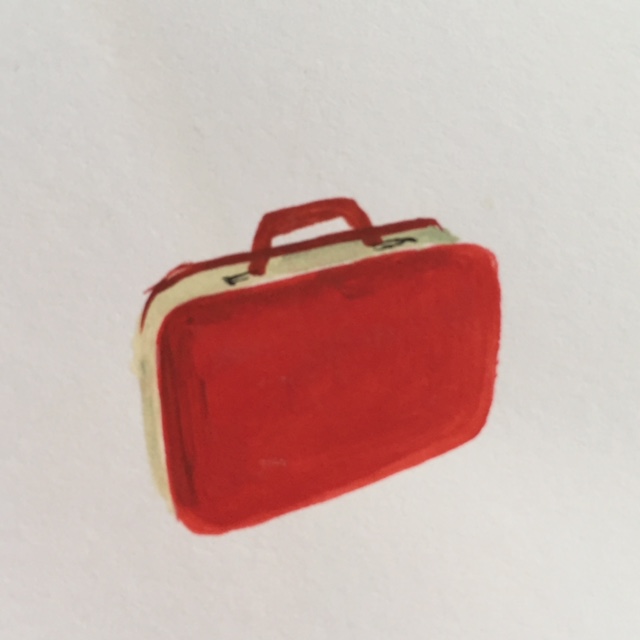
little red suitcase by anja riebensahm

Dear friends,

As most of you know, I migrated to the United States from Mexico when I was little.

My friend Anja also moved away from her home in Germany as a child, and she happens to be a great illustrator.

Together we are working on a project about what it’s like to see a new place for the first time.

In the past decade, immigration has become a big topic for politicians who endlessly debate whether it’s right or wrong and what to do about it. But in all the talk about immigration, the issue, I think we forget about immigrants, the individuals.

We’re looking to hear stories from people who migrated from/to any country as children and what caught their attention. Snippets from their stories will be illustrated by Anja.

If you know anyone, please ask them to fill out this short survey.

The point of the project is to illustrate that immigration is natural (people and animals have always migrated) and that immigration can be funny, happy, sad, or just plain weird––like any human experience.

Thanks for your help,
Kristy

Some or all of your response may be used as part of an illustrated project about immigration experiences that will be published on BuzzFeed and shared on social media.

Illustrating Immigration

Ilustrando la Inmigración

little red suitcase by anja riebensahm

Querid@s amig@s:

Como la mayoría de ustedes saben, yo emigré de México a los Estados Unidos cuando era niña.

Mi amiga Anja también se mudó lejos de su hogar en Alemania de chiquita, y resulta que ella es una ilustradora de gran talento.

Juntas estamos colaborando en un proyecto acerca de la experiencia de ver un lugar nuevo por primera vez.

En la última década la inmigración se ha convertido en un tema favorito de los políticos, quienes debaten sin cesar si es algo bueno o malo y lo que deberían hacer al respecto. Sin embargo, creo que al debatir sobre el tema de la inmigración a veces nos olvidamos de los inmigrantes, las personas realmente impactadas por esas decisiones políticas.

Estamos buscando historias de personas que emigraron cuando eran niños y lo que les llamó la atención. Fragmentos de sus historias serán ilustrados por Anja.

Si conoces a alguien que ha tenido esta experiencia, por favor, comparte esta encuesta con él o ella: Ilustrando la Inmigración (encuesta).

El objetivo de este proyecto es ilustrar que la inmigración es algo natural (las personas y los animales siempre han migrado) y que emigrar puede ser una experiencia divertida, feliz, triste, o realmente extraña — tal como cualquier experiencia humana.

Gracias por su ayuda,
Kristy

Su respuesta, o parte de ella, puede ser utilizada como parte de un proyecto ilustrado acerca de la experiencia de inmigrar, el cual será publicado en BuzzFeed y compartido en las redes sociales.

Ilustrando la Inmigración

Halloween

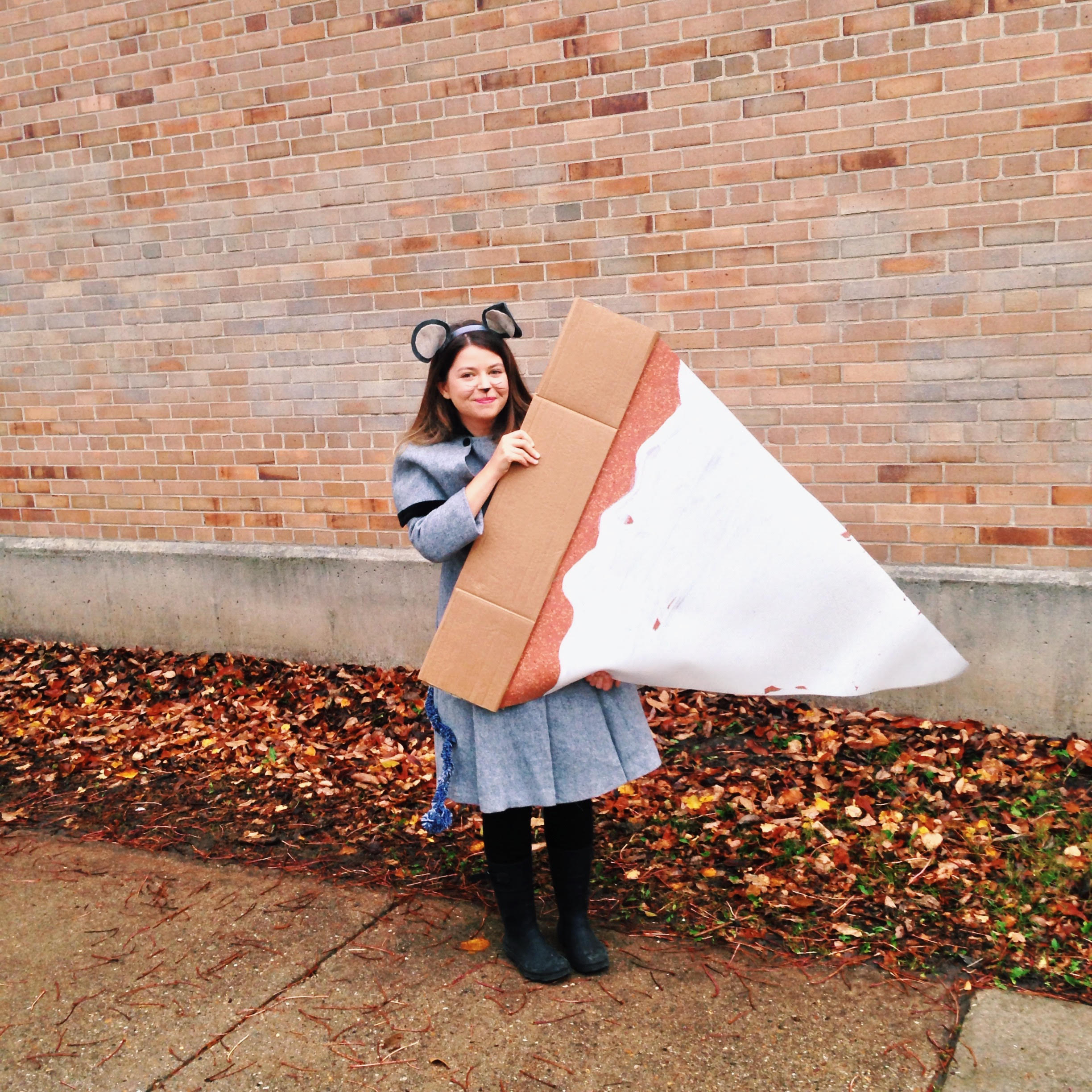
I had a really hard time coming up with a Halloween costume this year. I just couldn’t think of anything. And then I remembered Pizza Rat.

Pizza Rat became an internet phenomenon earlier last month after Matt Little posted a video to Youtube. In the video, a rat is seen valiantly dragging a slice of pizza down the New York City subway stairs. The slice is really heavy and (spoiler alert!), Pizza Rat is forced to leave her dinner behind in what is easily the most heartbreaking goodbye scene in cinematic history.

In the words of Maxwell Strachan,

“Pizza Rat is the perfect metaphor for life in New York: He is hungry, he loves dollar pizza, he hates his life and he is trying to carry something that is way too heavy down the subway stairs because the elevator is broken. It’s almost too perfect.

Pizza Rat is determined, sure. But in New York, is that enough? Of course not. So, as we all have countless times, Pizza Rat eventually gives up and walks away from the task at hand, presumably to a dive bar that will soon be replaced by yet another Chase bank or something.”

I have never related to anyone more.

pizza rat costume

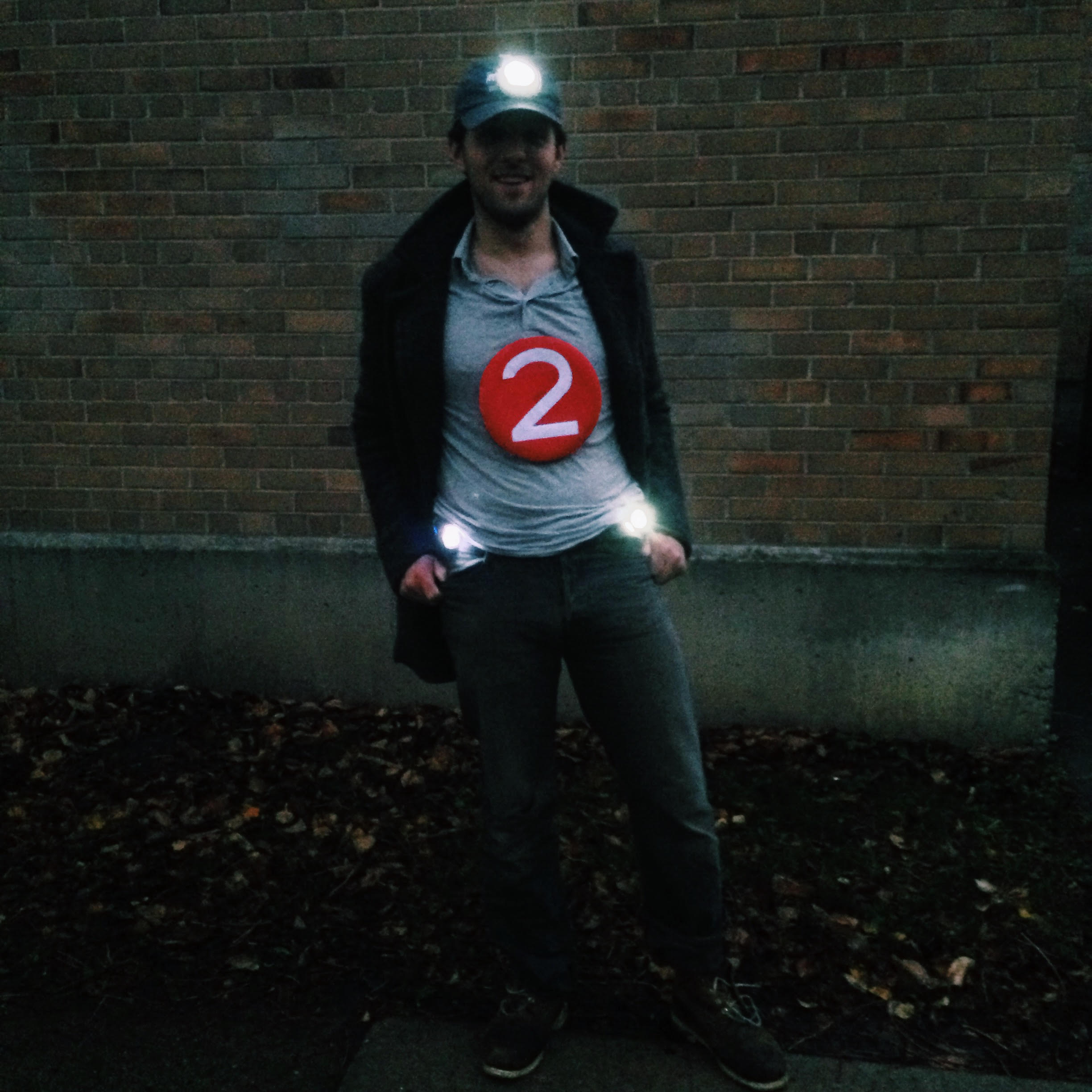
Devin didn’t know what he was going to be until Halloween, but he somehow managed to make an A+ costume in less than an hour.

nyc subway costumeThat’s right, he was the 2 train. Because what’s a New York rat without the subway?

P.S. Pizza Rat, next time put that pizza in a baby stroller and wait for a stranger to help. Works every time.

Previous Halloween posts: I, II, III

Halloween

Butterfly/Mariposa

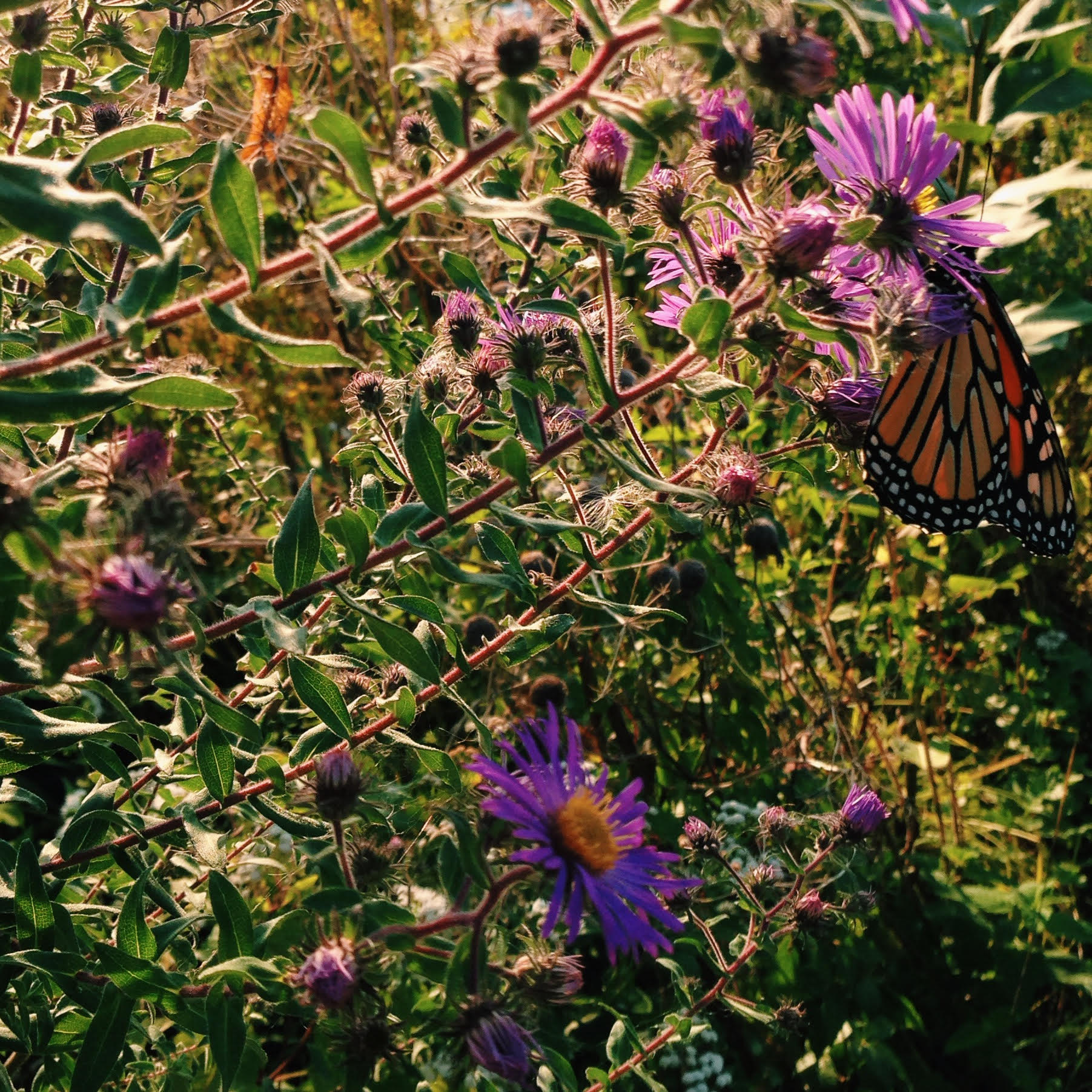
A butterfly (a.k.a. mi paisana) in the flowers

My immigration story starts with children’s TV commercials from the ‘90s.

I was a little girl in Chihuahua, Chihuahua, when my mom got cable television for our house. To me, it was pure magic. I would watch Cartoon Network as often and as long as I could. The cartoons were dubbed in Spanish, but all the commercials were in English. And I was hooked.

Before I could speak any English at all, I knew how to say, “Live and learn and then get Luvs,” and I dreamed of going to Long John Silver’s. My favorite commercials were the infomercials for kids’ toys—the ones with bright blue screens and 1-800 numbers at the end. I thought about pretending to be a grown-up so I could order something, but I didn’t know how to make international calls.

As a middle-class kid in Northern Mexico, the United States was where I went shopping. My mom and I would go to El Paso and spend a few days buying the clothes and toys that were ten times as expensive in Chihuahua. The whole country seemed like an amusement park.

In the summer of 1996 my mom asked me if I’d like to live in the States. I jumped at the chance.

I couldn’t wait to live in those perfect commercials, to see movies—like The Hunchback of Notre Dame—as soon as they came out instead of waiting months for movies to come to Mexico, and to eat fast food all day every day. My life was going to change. I was going to be a short drive away from a Toys R Us!

Of course, I quickly learned that life in the States is not all fun and games. Sadly, one of the first things I learned when I moved to the States was to describe myself as “from Mexico” rather than “Mexican” because I heard “Mexican” used as an insult so often. My identity went from being something celebrated to being a bad word.

In Mexico, I’d heard about pochos, people of Mexican ancestry who couldn’t speak Spanish (or spoke it incorrectly). When my mom and I moved to Texas, we met many people who fit that description. The common perception of them in Mexico was that they were ashamed to be Mexican (malinchistas al máximo) and that’s why they didn’t speak Spanish. But soon we learned that Spanish used to be banned in Texas schools. One of my mom’s friends told us about how she would be hit with a ruler if her teachers heard her speaking Spanish. After seeing their daughter come home with red knuckles day after day, her parents encouraged her not to speak Spanish anywhere, not even at home, so she could avoid punishment.

Some of the Mexican-Americans we met might have been ashamed of their roots, but that shame was systematically taught.

I learned that shame, too. Overhearing racist jokes—so many racist jokes—seeing the way people looked at me differently when I spoke Spanish, and being told I was “not really from Mexico” when I defied people’s stereotypes are just a few of the ways my surroundings taught me that being Mexican was categorically A Bad Thing.

Luckily, I had an antidote for this poison. I would learn shame from a culture that positioned itself as the best and deemed my home inferior, but then I got to go home. And I saw how wrong that view was.

My home isn’t a place where chickens run around the yard and people ride donkeys (although now that I’m a grown-up environmentalist, that sounds rad). My home is Chihuahua, Chihuahua, and it’s where I got to go the theater, take painting classes, and learn modern dance from a Cuban teacher (who was visiting Mexico from Cuba for a summer). Chihuahua is the place where my little cousins took Japanese classes just for fun, and I was surrounded by people who prided themselves on speaking at least two languages. The world seemed bigger there.

I worry about the diaspora kids who don’t get to have this, the Mexican families physically torn apart by that arbitrary line called the border/la frontera.

On one of my first days in Madison, I sat in a park watching monarch butterflies and thought about their migration from Madison, Wisconsin to Morelia, Michoacán and back again. Can you imagine how wrong and unnatural it would be to build a wall to keep butterflies out of a country? Is it any less so to do this to human beings?

There are many reasons why I believe having national borders that people cannot cross freely is wrong, but the most personal is that I don’t know who I would be if I hadn’t been able to go back to Mexico to relearn how to love myself.

Butterfly/Mariposa

MADE: Burritos de Frijoles

I’ve mentioned on the blog before that what most Americans consider burritos, I consider something else entirely, but the other day a friend of mine shocked me. He said that he thought burritos were American because he’d never had one in Mexico (even though he’s spent time traveling there).

Suddenly, my mission was clear.

I’m here to set the record straight on burritos and to give everyone an opportunity to taste the truth.

The burrito was invented in my home state of Chihuahua, Mexico. Sources say it is from Ciudad Juárez. People say the best burritos in Chihuahua are from a small town called Villa Ahumada. (I don’t have a recommendation for where to go because there are so many vendors and restaurants that it would be impossible to rank them.)

When I explain burritos to my gring@ friends, I always start by saying that the burrito is a simple food. Equivalent foods are things like a grilled cheese sandwich or tomato soup. Sure, you can make those things fancier and more complicated, but the plain versions you grew up eating probably taste really good and comforting to you.

The key to a good burrito is good ingredients. If you have delicious beans and fresh tortillas, you don’t need anything else for a delicious meal. I promise. I actually have a theory that most U.S. burritos are compensating for their lack of quality with quantity.

So, what is a U.S. burrito? Usually the components are rice, beans (usually whole beans, which makes no sense), some type of meat, assorted vegetables, guacamole, salsa, sour cream, and cheese, all wrapped in a humongous tortilla. Sometimes this kind of burrito is called a Mission-style burrito, and it is said to have originated in San Francisco’s Mission District. When we were there this summer, Devin and I passed a restaurant that claimed to be the birthplace of  Mission style burritos, and I stood across the street shaking my head and muttering, “Esos ni son burritos” and “¿A quién se le ocurrió esa porquería?” until Devin dragged me away.

my nemesisA Mexican burrito by contrast has just two ingredients. A flour tortilla that is small (in comparison) and some kind of filling (the most popular is refried beans, but you could also have rajas con queso or a guisado of some kind of meat). Please note that burritos do not have beans AND meat. You have one or the other. Simplicity is key. You can top your burrito with salsa (the saucy Mexican kinds, not the chunky American ones) and/or cheese.

An important note about cheese: yellow cheese is not Mexican. I don’t know who created the “Mexican shredded cheese blend,” but it is a lie. In Chihuahua, the best cheese is Asadero made by Mennonites. I wish I could give you some, but they don’t export it. I recommend a white cheese like Queso Chihuahua, Monterey Jack, or Daiya Mozzarella shreds, which are vegan and I really love.

When I had the conversation I mentioned at the beginning of this post, I realized that I should share a recipe for a good bean burrito. That way everyone can taste what it’s like. Bean burritos are inherently portable because refried beans stick to the tortillas, so this recipe is especially handy if you’re looking for a grab-and-go food.

Someday soon I will share my recipe for beans from scratch in a post entitled Beans From My Mothers, but I wanted to make this recipe as easy as possible, so I went to Trader Joe’s because they have stores all over the U.S., and some of their Mexican food is really good. (The frozen tamales they sell are imported from Mexico, and they’re delicious!)

Burritos de Frijoles

The ingredients are flour tortillas, a can of refried beans, and salsa verde to serve on the side. I didn’t get cheese because I usually don’t put cheese on my burrito, but see above for cheese recommendations.

ingredients My aunt Menry taught me to put little can of salsa casera in beans before refrying them, which gives them a great flavor. These beans from Trader Joe’s approximate that flavor really nicely (ignore the low-fat thing; I would never feed you “diet food,” but these are really good and there’s no full-fat equivalent).

Here’s what you do:

1. Heat up the beans on the stove or in the microwave. Make sure to stir and heat them thoroughly.

2. While the beans are warming, heat up the flour tortillas one or two at a time on a comal or a pan on the stove. Flip them to make sure they get hot on both sides. Make sure to wrap the hot tortillas in a kitchen towel, so they stay nice and hot while you finish heating rest. One can of beans is enough for a little more than half the tortillas in the package depending on how full you like your burritos.

3. If you’re using cheese, make sure to put it on the beans when they are piping hot. That way the cheese will melt. You can stir it in if you want to have the cheese melted throughout the beans or you can put it on top, or you can do both depending on how much cheese you want.

4. Scoop some beans on a tortilla, pour a little salsa on the beans, roll up, and enjoy!

bean burrito

MADE: Burritos de Frijoles