Las Guayabas

goya_blancs

19 July 2016

Sometimes my identity feels like a party trick.

“Oh, you’re from Mek-see-koe!,” a wide-eyed voice exclaims.

I nod eagerly.

And I feel like a poodle on its hind legs.

But sometimes, my identity, which is so often unseen for reasons beyond my control, feels like a superpower.

The power to subvert expectations.

It happened yesterday at a Patel Brothers grocery store in Schaumburg, Illinois where I was helping my friend Ariel fulfill mango orders for the Indian diaspora of Central Wisconsin. (Ariel’s partner Shashank is from India, so they are very connected with Indian families that live near them, and when one of them is near an Indian grocery store, they bring mangos back for the group. I want this system but for Mexican snacks, please and thank you.)

There I am, inspecting boxes of mangos and realizing there aren’t nearly enough when I overhear two employees speaking Spanish. I turn and ask if there are any mangos in the back, and one of them, who seems to be the Chief Mango Stocker––clearly an essential job in a store that specializes in produce from the subcontinent––seems happily surprised to hear me speak Spanish.

“Where are you from?,” he asks.

I tell him I’m from Chihuahua and his look of surprise transforms into a grin that fills his whole face.

He leaves and returns, hidden behind cases and cases of mangos on wheels. And as he gradually reappears, transferring the cartons of mangos from the rolling contraption to our two waiting carts, he starts telling me his story.

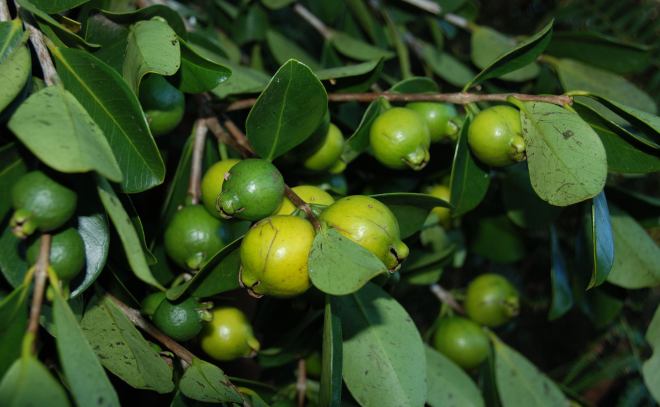
“See those guavas?,” he points to a display, “I’m from Aguascalientes. My family grows guavas.”

On his phone, he shows me pictures from his family’s orchard. A close-up of guavas on the tree. The house he built with money he earned stocking the guavas he used to grow. Guavas he left behind because he couldn’t make enough money to live. A house he doesn’t get to visit.

“I had a son,” he continues.  “He was two. He fell in the pool. I couldn’t even go to the funeral…”

There is a pause, and I think we are both asking ourselves the same questions.

What if he’d never had to leave Aguascalientes? What if the border were just a line on a map that everyone could cross? What if he could have brought his baby here? What if he could have saved his son?

He attempts a look of resignation. “Así es la vida. Difícil…”

I nod.

What I really want to do is yell, “No! Your life shouldn’t be this hard! Nobody’s life should be this hard!”

By then, our carts are full of mangos; customers approach him to ask for help; Ariel and I say goodbye.

Of course, I don’t know that he shared all of this with me because I’m from Mexico. Maybe he is always this vulnerable with strangers. Maybe he tells everyone his story. Maybe this is how he grieves.

But I have this experience often. I say I’m from Mexico or I talk back in Spanish, and I see the other person loosen. It is the shift from “You are different” to “We’re the same,” from distant to close, from gringa to paisana. It is the collapse of a small border.

Driving away from the grocery store, I think about a talk I saw Mia Mingus give in which she talked about the importance of articulating not only what we’re fighting against, but what we’re fighting for and making real plans. She wrote about it on her blog:

“[W]e are good at resisting. We are good at fighting for the world we don’t want. We are good at analysis and analyzing things up and down (and sometimes into oblivion). We are skilled at naming what we don’t want. I think we are less skilled at naming what we do want; our visions for liberation. And not just vague things like, ‘ending white supremacy and heterosexism,’ but how are all the children going to get fed? Who will clean the toilets? Who will take out the trash? Who will cook the food?”

OK, I think, what do I want?

I imagine having to articulate my plans in front of Congress, but all I can picture is me, standing at a podium, looking at the legislators and sharing my new friend’s story. I conclude with my call to action: “If his family grows guavas in Aguascalientes, don’t you think it’s wrong that the only way he can make a living is by stocking guavas in Illinois? I mean, how does that even make sense? If they grow the actual guavas, and the guavas are what’s being sold, why can’t they make a profit?”

Good questions, Kristy, but no plan.

I try again.

I picture myself hitting the podium to emphasize my point that we must repeal NAFTA––which decimated Mexico’s agricultural sector––and punish U.S. companies that conduct unethical business abroad, like Wal-Mart, for example. I picture myself demanding that the U.S. government open the borders because human rights shouldn’t be determined by an accident of birth––especially in a time when photos, words, ideas, and corporations transcend borders every day.

I don’t actually think I’m qualified enough to speak in front of Congress about immigration reform. It’s just… I think the people who hear immigration stories most often are other immigrants. And most of the people who determine border laws are not immigrants.

In my daily life, I hear lots of stories like this. When politicians walk into a grocery store, they just get guavas.

And so the borders stand.

If I could be anything, I would like to be a bridge.


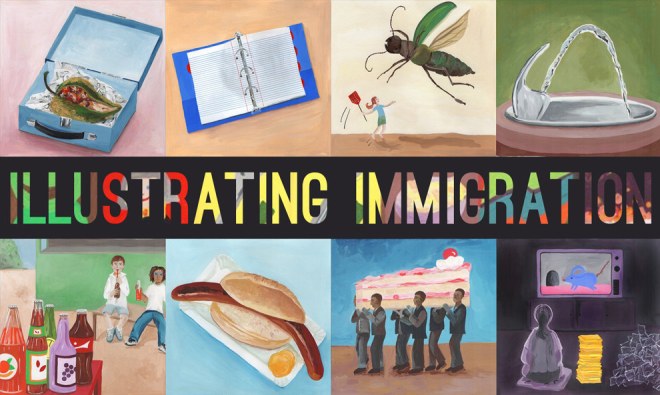
Las Guayabas

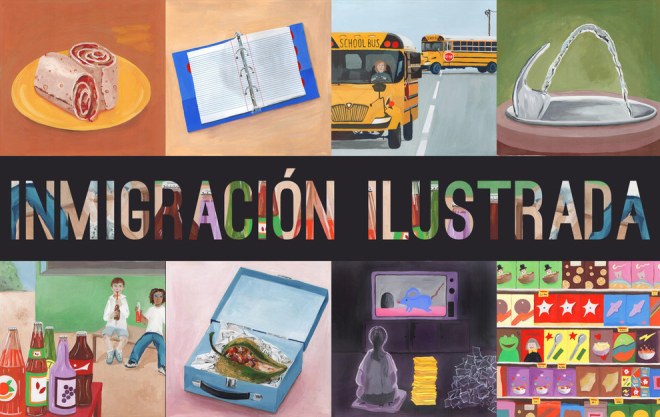
Inmigración Ilustrada

INMIGRACION ILUSTRADA

“A pesar de que nuestras experiencias difieren en muchos aspectos, tenemos en común el haber emigrado cuando aún no éramos responsables de nuestras propias vidas. Estas son historias acerca de lo que uno es libre para observar cuando sus preocupaciones principales no son ni el dinero, ni el trabajo, ni las visas, ni la falta de este tipo de necesidades. Estas son historias de ir a un lugar nuevo, pero, más precisamente, son historias de ser llevado allí. Estas son historias sobre los pequeños detalles que pudimos observar.”

Lee el artículo completo en Buzzfeed. Ilustrado por Anja Riebensahm.

Read it in English here.

Inmigración Ilustrada

Illustrating Immigration

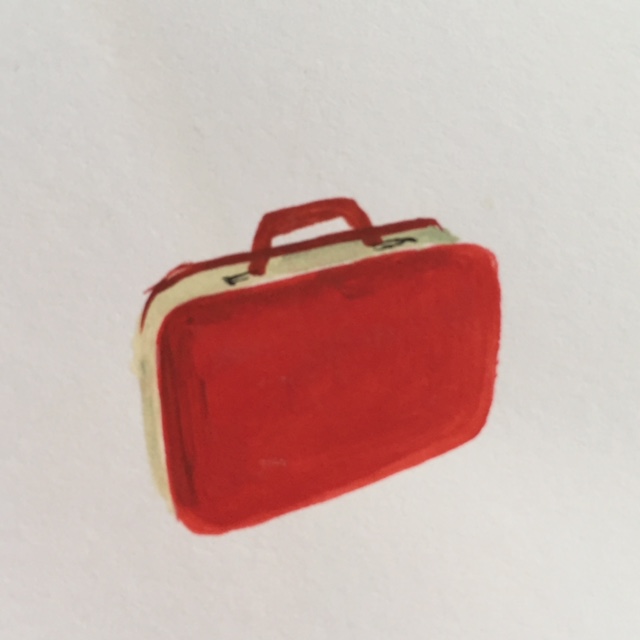
little red suitcase by anja riebensahm

Dear friends,

As most of you know, I migrated to the United States from Mexico when I was little.

My friend Anja also moved away from her home in Germany as a child, and she happens to be a great illustrator.

Together we are working on a project about what it’s like to see a new place for the first time.

In the past decade, immigration has become a big topic for politicians who endlessly debate whether it’s right or wrong and what to do about it. But in all the talk about immigration, the issue, I think we forget about immigrants, the individuals.

We’re looking to hear stories from people who migrated from/to any country as children and what caught their attention. Snippets from their stories will be illustrated by Anja.

If you know anyone, please ask them to fill out this short survey.

The point of the project is to illustrate that immigration is natural (people and animals have always migrated) and that immigration can be funny, happy, sad, or just plain weird––like any human experience.

Thanks for your help,
Kristy

Some or all of your response may be used as part of an illustrated project about immigration experiences that will be published on BuzzFeed and shared on social media.

Illustrating Immigration

Ilustrando la Inmigración

little red suitcase by anja riebensahm

Querid@s amig@s:

Como la mayoría de ustedes saben, yo emigré de México a los Estados Unidos cuando era niña.

Mi amiga Anja también se mudó lejos de su hogar en Alemania de chiquita, y resulta que ella es una ilustradora de gran talento.

Juntas estamos colaborando en un proyecto acerca de la experiencia de ver un lugar nuevo por primera vez.

En la última década la inmigración se ha convertido en un tema favorito de los políticos, quienes debaten sin cesar si es algo bueno o malo y lo que deberían hacer al respecto. Sin embargo, creo que al debatir sobre el tema de la inmigración a veces nos olvidamos de los inmigrantes, las personas realmente impactadas por esas decisiones políticas.

Estamos buscando historias de personas que emigraron cuando eran niños y lo que les llamó la atención. Fragmentos de sus historias serán ilustrados por Anja.

Si conoces a alguien que ha tenido esta experiencia, por favor, comparte esta encuesta con él o ella: Ilustrando la Inmigración (encuesta).

El objetivo de este proyecto es ilustrar que la inmigración es algo natural (las personas y los animales siempre han migrado) y que emigrar puede ser una experiencia divertida, feliz, triste, o realmente extraña — tal como cualquier experiencia humana.

Gracias por su ayuda,
Kristy

Su respuesta, o parte de ella, puede ser utilizada como parte de un proyecto ilustrado acerca de la experiencia de inmigrar, el cual será publicado en BuzzFeed y compartido en las redes sociales.

Ilustrando la Inmigración

Butterfly/Mariposa

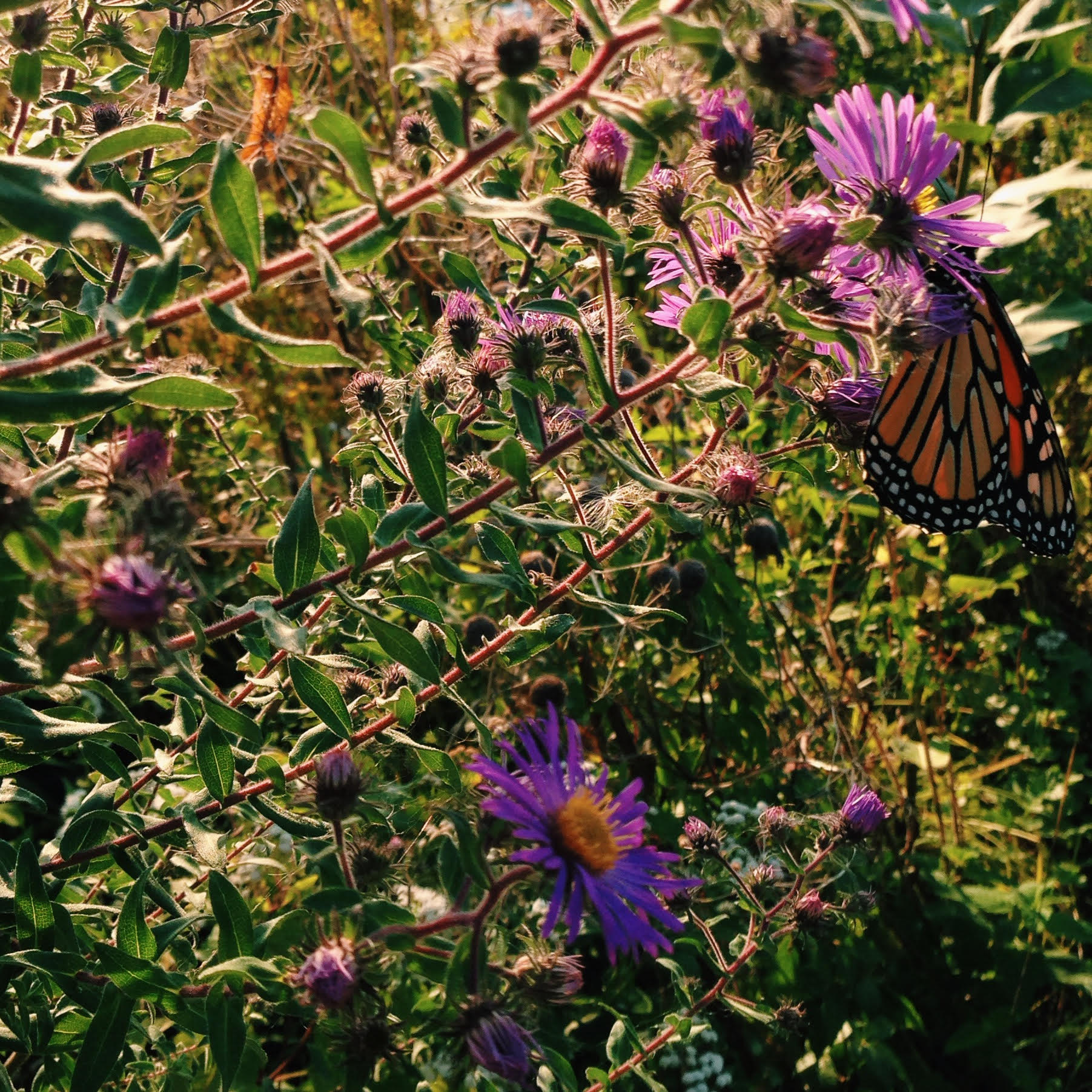
A butterfly (a.k.a. mi paisana) in the flowers

My immigration story starts with children’s TV commercials from the ‘90s.

I was a little girl in Chihuahua, Chihuahua, when my mom got cable television for our house. To me, it was pure magic. I would watch Cartoon Network as often and as long as I could. The cartoons were dubbed in Spanish, but all the commercials were in English. And I was hooked.

Before I could speak any English at all, I knew how to say, “Live and learn and then get Luvs,” and I dreamed of going to Long John Silver’s. My favorite commercials were the infomercials for kids’ toys—the ones with bright blue screens and 1-800 numbers at the end. I thought about pretending to be a grown-up so I could order something, but I didn’t know how to make international calls.

As a middle-class kid in Northern Mexico, the United States was where I went shopping. My mom and I would go to El Paso and spend a few days buying the clothes and toys that were ten times as expensive in Chihuahua. The whole country seemed like an amusement park.

In the summer of 1996 my mom asked me if I’d like to live in the States. I jumped at the chance.

I couldn’t wait to live in those perfect commercials, to see movies—like The Hunchback of Notre Dame—as soon as they came out instead of waiting months for movies to come to Mexico, and to eat fast food all day every day. My life was going to change. I was going to be a short drive away from a Toys R Us!

Of course, I quickly learned that life in the States is not all fun and games. Sadly, one of the first things I learned when I moved to the States was to describe myself as “from Mexico” rather than “Mexican” because I heard “Mexican” used as an insult so often. My identity went from being something celebrated to being a bad word.

In Mexico, I’d heard about pochos, people of Mexican ancestry who couldn’t speak Spanish (or spoke it incorrectly). When my mom and I moved to Texas, we met many people who fit that description. The common perception of them in Mexico was that they were ashamed to be Mexican (malinchistas al máximo) and that’s why they didn’t speak Spanish. But soon we learned that Spanish used to be banned in Texas schools. One of my mom’s friends told us about how she would be hit with a ruler if her teachers heard her speaking Spanish. After seeing their daughter come home with red knuckles day after day, her parents encouraged her not to speak Spanish anywhere, not even at home, so she could avoid punishment.

Some of the Mexican-Americans we met might have been ashamed of their roots, but that shame was systematically taught.

I learned that shame, too. Overhearing racist jokes—so many racist jokes—seeing the way people looked at me differently when I spoke Spanish, and being told I was “not really from Mexico” when I defied people’s stereotypes are just a few of the ways my surroundings taught me that being Mexican was categorically A Bad Thing.

Luckily, I had an antidote for this poison. I would learn shame from a culture that positioned itself as the best and deemed my home inferior, but then I got to go home. And I saw how wrong that view was.

My home isn’t a place where chickens run around the yard and people ride donkeys (although now that I’m a grown-up environmentalist, that sounds rad). My home is Chihuahua, Chihuahua, and it’s where I got to go the theater, take painting classes, and learn modern dance from a Cuban teacher (who was visiting Mexico from Cuba for a summer). Chihuahua is the place where my little cousins took Japanese classes just for fun, and I was surrounded by people who prided themselves on speaking at least two languages. The world seemed bigger there.

I worry about the diaspora kids who don’t get to have this, the Mexican families physically torn apart by that arbitrary line called the border/la frontera.

On one of my first days in Madison, I sat in a park watching monarch butterflies and thought about their migration from Madison, Wisconsin to Morelia, Michoacán and back again. Can you imagine how wrong and unnatural it would be to build a wall to keep butterflies out of a country? Is it any less so to do this to human beings?

There are many reasons why I believe having national borders that people cannot cross freely is wrong, but the most personal is that I don’t know who I would be if I hadn’t been able to go back to Mexico to relearn how to love myself.

Butterfly/Mariposa

Borders

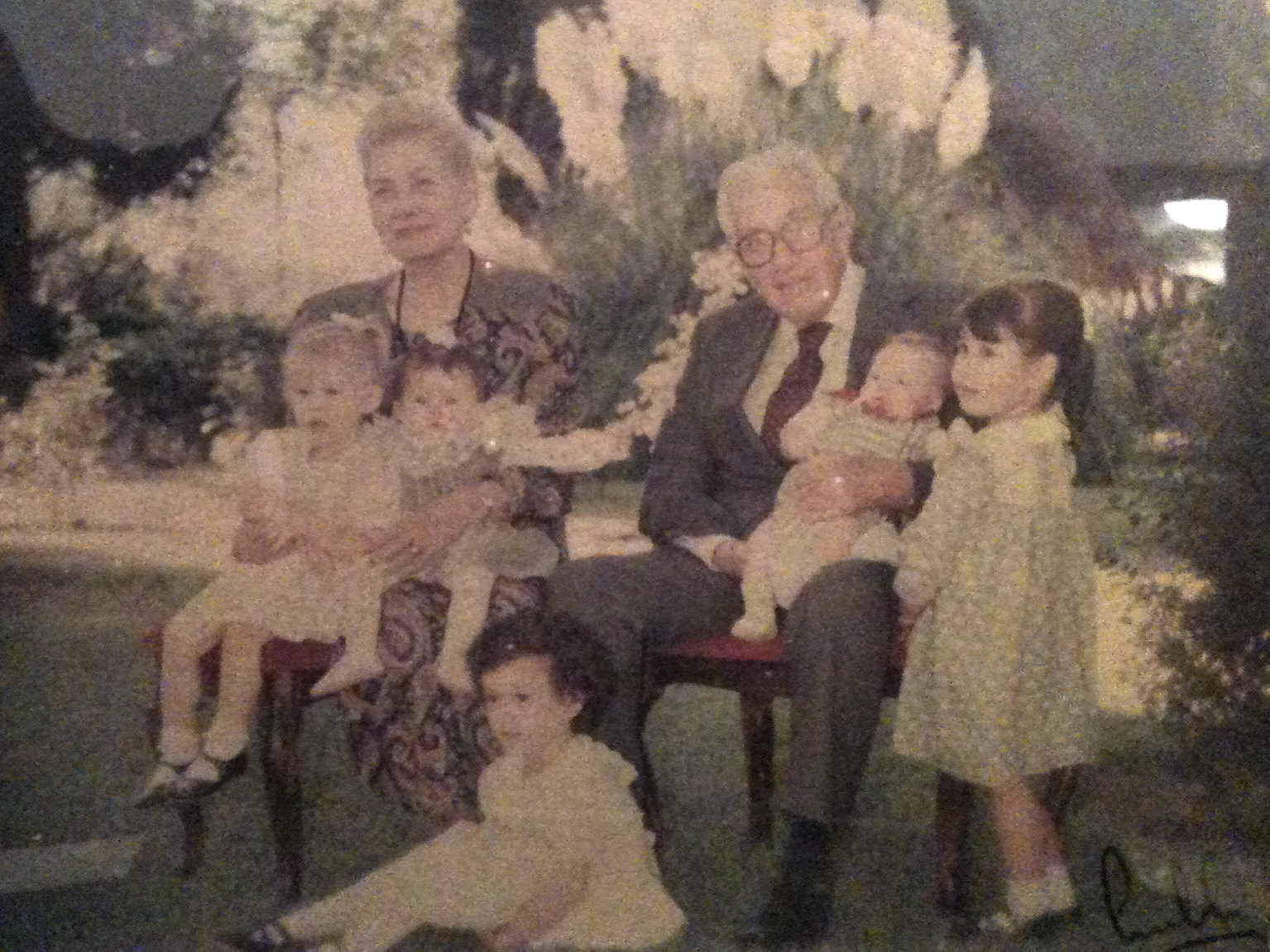
Baby cousins with our grandparents, circa 1990.

Though I’ve lived my whole life on both sides of the U.S.–Mexico border, I didn’t understand what a border was until I was eleven years old. That summer three of my cousins were allowed to come back from Chihuahua to Texas with my mom and me. I have ten cousins, four of whom are very close in age to me. I call them my first-batch cousins because we were all born one after the other. Then the parents waited a while and then came the second batch. Some of my second-batch cousins don’t like these designations, but it just makes it easier for me to communicate which cousins I’m talking about—because I talk about my cousins all the time. I can’t help it, they’re just that great!

Anyway, the summer before sixth grade almost all my first-batch cousins were allowed to come visit me for two weeks. Caren couldn’t come because she didn’t have her visa renewed in time, and you need a visa to come to the United States from Mexico. I was so excited! I was going to get to show my cousins my life in Texas. We’d just moved into an apartment complex with two pools and a playground and we would ice skate and go to Six Flags and go to the mall! It was the first time any of my cousins visited me instead of the other way around. But Caren couldn’t come. She didn’t have this little piece of paper. There was no way to get it in time. She couldn’t come.

Continue reading “Borders”

Borders