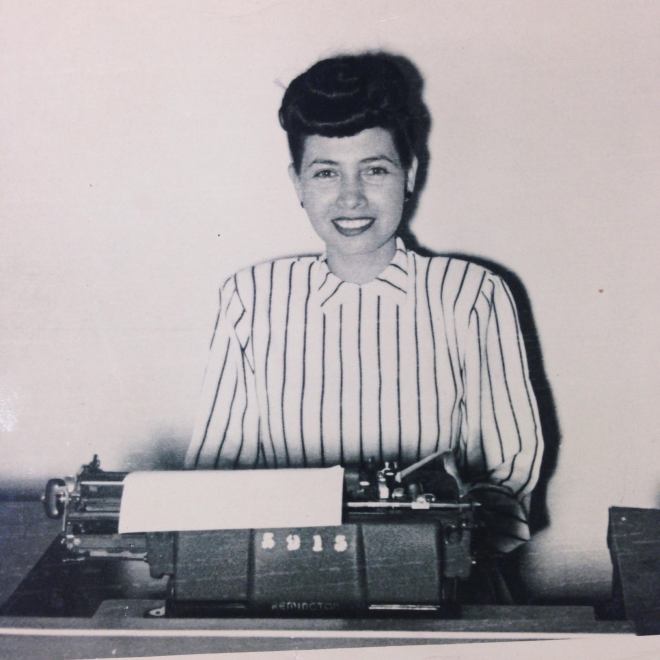
Carolina

Processed with VSCOcam with c1 preset

“I wanted to be a lawyer when I grew up, but since women couldn’t do that, I went to secretary school,” Abbita (short for abuelita) explained, when I called to interview her for a homework assignment about feminism. I’d been nervous to call, afraid she’d say feminism was a crazy American import or that it was un-Christian and ruining “the family” or that she was disappointed in me. Instead she told me about how she had worked for Licenciado Müller, a lawyer who helped women get divorced in Chihuahua. Abbita, whose real name was Carolina, said she loved her job because she cared about helping those women and because her boss trusted her judgment.

I never knew about any of this because she stopped working after she and my grandfather got married, but hearing this story illuminated the parts of her life I did know in a new way. It was the light turning on in a room I’d only explored with a flashlight.

All my life I’d heard about how she had been on her school’s basketball team. The girls wore long skirts as part of their uniform, but she joined the team in secret and had to hide it from her family because playing sports––even in giant skirts––was not ladylike. It was a quiet act of resistance. Like most of what she did.

My grandmother would often tell me the story of a woman who got married in the city and was soon forced by her husband to move to a little house with a dirt floor in the mountains, completely isolated from her friends and family. She would get angry telling this story and say that she supported the woman leaving her husband because the way he treated her was wrong. When I was little, I thought this was just one of those stories that grandmas tell (“This one again?”). I didn’t understand why it was such a big deal to her. Now I can imagine how desperate I would feel if I lost control of my life from one day to the next, can imagine how many women my grandmother knew who never regained it.

Whenever a woman she knew got married, Abbita would give her a little bit of money in secret because she believed it was essential that women have a way to escape bad marriages. This too seemed melodramatic to me (“Por si el marido le sale malo” sounded like something from a novela, and when I heard about my grandmother’s bridal safety-net tactics, I laughed and thought, “Too much Televisa.”)

In my own life, I’ve noticed that it is very taboo to talk about divorce if you’re married, but I don’t think I could be married if divorce weren’t legal and accessible to women. I don’t mean to imply that I take my relationship with Devin lightly, but I think marriage fundamentally changes when it is not an obligation. When I decided to get married, I didn’t have to give up my name or my rights. I didn’t have to give up my job or my dreams. I didn’t become someone’s property. I believe that Devin and I choose to be together even though we are free to leave. I believe we have the kind of marriage women like my grandmother fought for.

On the day of my cousin Vanessa’s wedding, Abbita told me a story. “I was never interested in cooking, but when I married your grandfather, I thought I should learn. He said, ‘No! Don’t take a cooking class. You should learn to play the piano,’ and he got me a piano. In the end, I didn’t learn to cook or play the piano. All I did was have babies. What kind of a life is that?”

Of course, that isn’t all she did. She did lots of things, like finding a way to own and manage properties and teaching me how to read and write and becoming so well-known for her wit that people would ask her to write their greeting cards and building relationships so strong that her children and grandchildren would fight over who got to sleep in the extra twin bed she kept in her room.

Still, I know she would have liked to do other things, too. It’s no coincidence that all of her daughters have Master’s degrees or that she gave each of her grandchildren a small sum of money when we turned 18 and said, “This is your money. You can do whatever you want with it.” She believed fiercely in independence. She took as much of it as she could and made sure we were free to have more.

Abbita didn’t go around exclaiming “I’m a feminist!,” but when I asked her to explain if she was, she had a quick answer: “Machismo means men are in charge, but feminism doesn’t mean women should be in charge. Do you know the saying ‘Behind every great man is a great woman’? Well, I don’t think anyone should be behind anyone. To me, feminism means that we all walk together, hand-in-hand.”

I think about myself at 21, nervous to call her, worried that I would have to defend feminism to my grandmother, wondering if there were any books I could give her to explain it in a way she could understand. I was so silly, thinking I’d discovered feminism when she had taught it to me all along.
Carolina

Butterfly/Mariposa

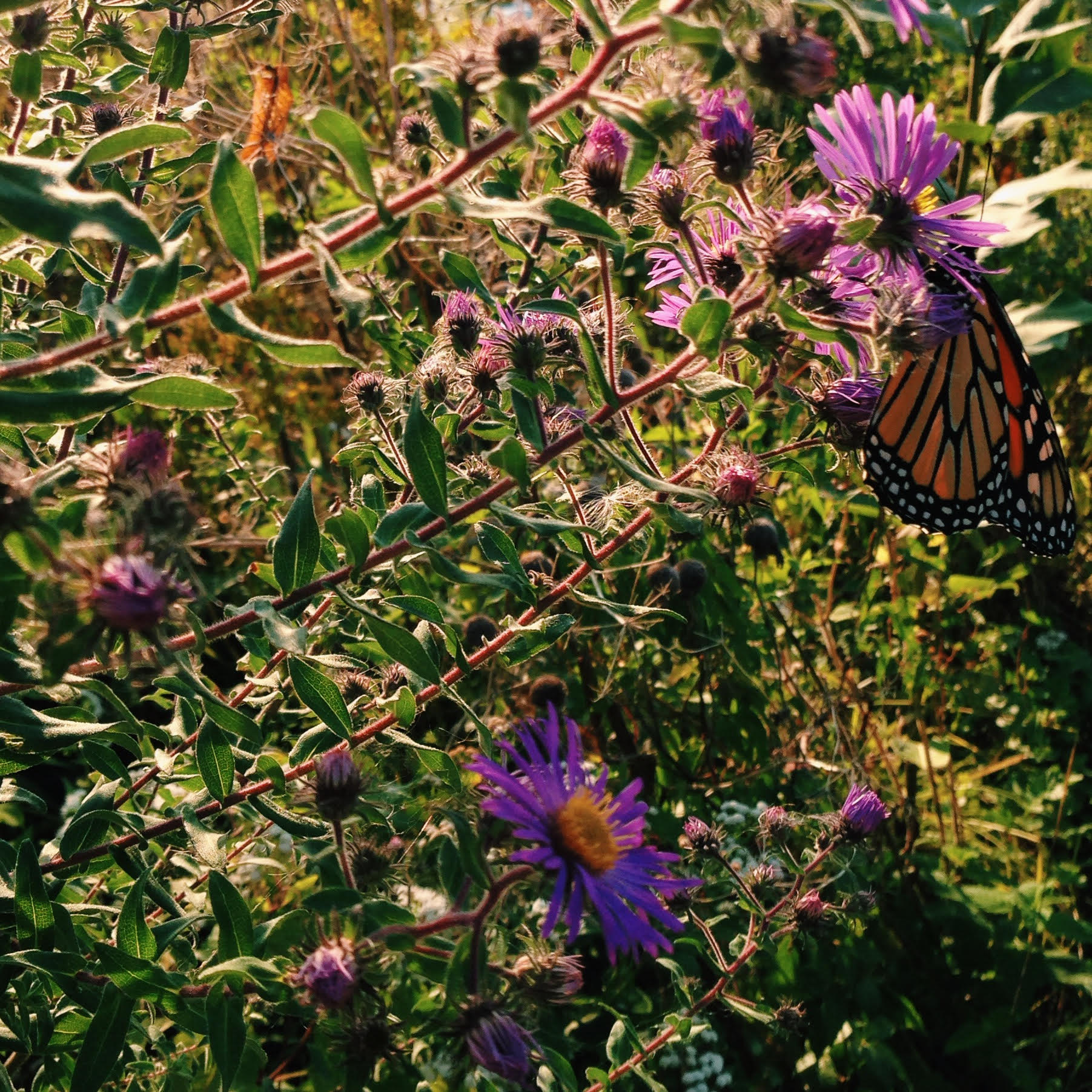
A butterfly (a.k.a. mi paisana) in the flowers

My immigration story starts with children’s TV commercials from the ‘90s.

I was a little girl in Chihuahua, Chihuahua, when my mom got cable television for our house. To me, it was pure magic. I would watch Cartoon Network as often and as long as I could. The cartoons were dubbed in Spanish, but all the commercials were in English. And I was hooked.

Before I could speak any English at all, I knew how to say, “Live and learn and then get Luvs,” and I dreamed of going to Long John Silver’s. My favorite commercials were the infomercials for kids’ toys—the ones with bright blue screens and 1-800 numbers at the end. I thought about pretending to be a grown-up so I could order something, but I didn’t know how to make international calls.

As a middle-class kid in Northern Mexico, the United States was where I went shopping. My mom and I would go to El Paso and spend a few days buying the clothes and toys that were ten times as expensive in Chihuahua. The whole country seemed like an amusement park.

In the summer of 1996 my mom asked me if I’d like to live in the States. I jumped at the chance.

I couldn’t wait to live in those perfect commercials, to see movies—like The Hunchback of Notre Dame—as soon as they came out instead of waiting months for movies to come to Mexico, and to eat fast food all day every day. My life was going to change. I was going to be a short drive away from a Toys R Us!

Of course, I quickly learned that life in the States is not all fun and games. Sadly, one of the first things I learned when I moved to the States was to describe myself as “from Mexico” rather than “Mexican” because I heard “Mexican” used as an insult so often. My identity went from being something celebrated to being a bad word.

In Mexico, I’d heard about pochos, people of Mexican ancestry who couldn’t speak Spanish (or spoke it incorrectly). When my mom and I moved to Texas, we met many people who fit that description. The common perception of them in Mexico was that they were ashamed to be Mexican (malinchistas al máximo) and that’s why they didn’t speak Spanish. But soon we learned that Spanish used to be banned in Texas schools. One of my mom’s friends told us about how she would be hit with a ruler if her teachers heard her speaking Spanish. After seeing their daughter come home with red knuckles day after day, her parents encouraged her not to speak Spanish anywhere, not even at home, so she could avoid punishment.

Some of the Mexican-Americans we met might have been ashamed of their roots, but that shame was systematically taught.

I learned that shame, too. Overhearing racist jokes—so many racist jokes—seeing the way people looked at me differently when I spoke Spanish, and being told I was “not really from Mexico” when I defied people’s stereotypes are just a few of the ways my surroundings taught me that being Mexican was categorically A Bad Thing.

Luckily, I had an antidote for this poison. I would learn shame from a culture that positioned itself as the best and deemed my home inferior, but then I got to go home. And I saw how wrong that view was.

My home isn’t a place where chickens run around the yard and people ride donkeys (although now that I’m a grown-up environmentalist, that sounds rad). My home is Chihuahua, Chihuahua, and it’s where I got to go the theater, take painting classes, and learn modern dance from a Cuban teacher (who was visiting Mexico from Cuba for a summer). Chihuahua is the place where my little cousins took Japanese classes just for fun, and I was surrounded by people who prided themselves on speaking at least two languages. The world seemed bigger there.

I worry about the diaspora kids who don’t get to have this, the Mexican families physically torn apart by that arbitrary line called the border/la frontera.

On one of my first days in Madison, I sat in a park watching monarch butterflies and thought about their migration from Madison, Wisconsin to Morelia, Michoacán and back again. Can you imagine how wrong and unnatural it would be to build a wall to keep butterflies out of a country? Is it any less so to do this to human beings?

There are many reasons why I believe having national borders that people cannot cross freely is wrong, but the most personal is that I don’t know who I would be if I hadn’t been able to go back to Mexico to relearn how to love myself.

Butterfly/Mariposa

MADE: Burritos de Frijoles

I’ve mentioned on the blog before that what most Americans consider burritos, I consider something else entirely, but the other day a friend of mine shocked me. He said that he thought burritos were American because he’d never had one in Mexico (even though he’s spent time traveling there).

Suddenly, my mission was clear.

I’m here to set the record straight on burritos and to give everyone an opportunity to taste the truth.

The burrito was invented in my home state of Chihuahua, Mexico. Sources say it is from Ciudad Juárez. People say the best burritos in Chihuahua are from a small town called Villa Ahumada. (I don’t have a recommendation for where to go because there are so many vendors and restaurants that it would be impossible to rank them.)

When I explain burritos to my gring@ friends, I always start by saying that the burrito is a simple food. Equivalent foods are things like a grilled cheese sandwich or tomato soup. Sure, you can make those things fancier and more complicated, but the plain versions you grew up eating probably taste really good and comforting to you.

The key to a good burrito is good ingredients. If you have delicious beans and fresh tortillas, you don’t need anything else for a delicious meal. I promise. I actually have a theory that most U.S. burritos are compensating for their lack of quality with quantity.

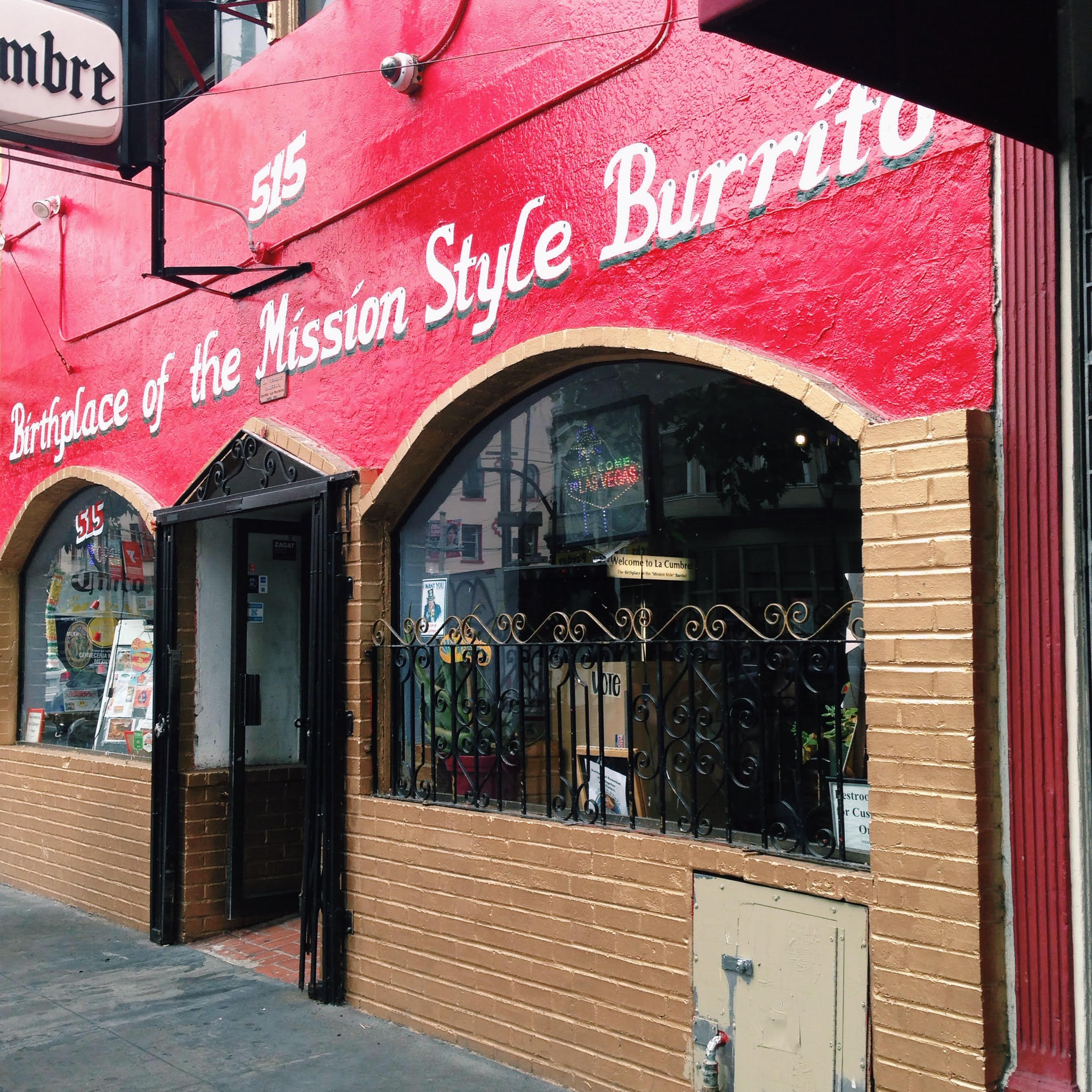
So, what is a U.S. burrito? Usually the components are rice, beans (usually whole beans, which makes no sense), some type of meat, assorted vegetables, guacamole, salsa, sour cream, and cheese, all wrapped in a humongous tortilla. Sometimes this kind of burrito is called a Mission-style burrito, and it is said to have originated in San Francisco’s Mission District. When we were there this summer, Devin and I passed a restaurant that claimed to be the birthplace of  Mission style burritos, and I stood across the street shaking my head and muttering, “Esos ni son burritos” and “¿A quién se le ocurrió esa porquería?” until Devin dragged me away.

my nemesisA Mexican burrito by contrast has just two ingredients. A flour tortilla that is small (in comparison) and some kind of filling (the most popular is refried beans, but you could also have rajas con queso or a guisado of some kind of meat). Please note that burritos do not have beans AND meat. You have one or the other. Simplicity is key. You can top your burrito with salsa (the saucy Mexican kinds, not the chunky American ones) and/or cheese.

An important note about cheese: yellow cheese is not Mexican. I don’t know who created the “Mexican shredded cheese blend,” but it is a lie. In Chihuahua, the best cheese is Asadero made by Mennonites. I wish I could give you some, but they don’t export it. I recommend a white cheese like Queso Chihuahua, Monterey Jack, or Daiya Mozzarella shreds, which are vegan and I really love.

When I had the conversation I mentioned at the beginning of this post, I realized that I should share a recipe for a good bean burrito. That way everyone can taste what it’s like. Bean burritos are inherently portable because refried beans stick to the tortillas, so this recipe is especially handy if you’re looking for a grab-and-go food.

Someday soon I will share my recipe for beans from scratch in a post entitled Beans From My Mothers, but I wanted to make this recipe as easy as possible, so I went to Trader Joe’s because they have stores all over the U.S., and some of their Mexican food is really good. (The frozen tamales they sell are imported from Mexico, and they’re delicious!)

Burritos de Frijoles

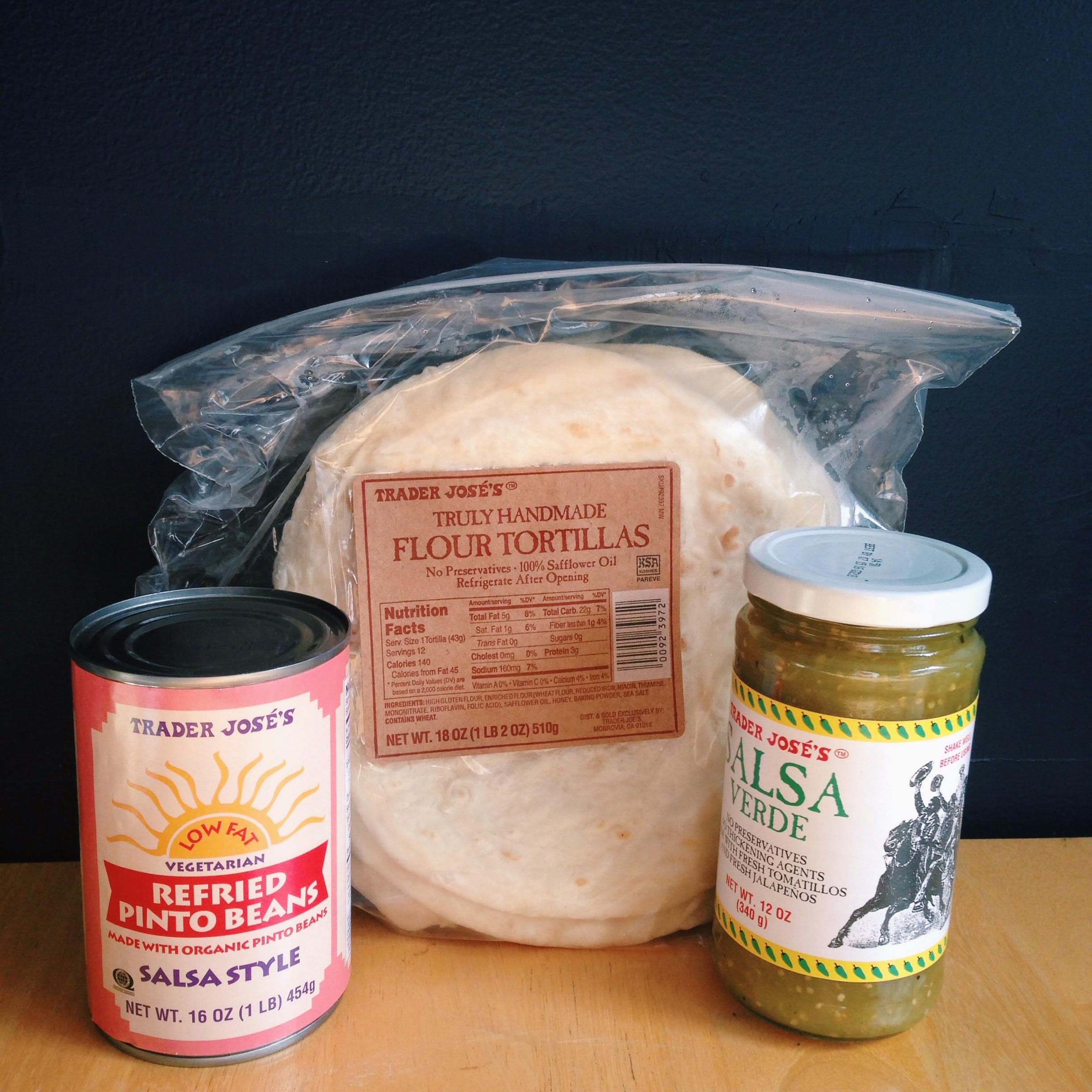
The ingredients are flour tortillas, a can of refried beans, and salsa verde to serve on the side. I didn’t get cheese because I usually don’t put cheese on my burrito, but see above for cheese recommendations.

ingredients My aunt Menry taught me to put little can of salsa casera in beans before refrying them, which gives them a great flavor. These beans from Trader Joe’s approximate that flavor really nicely (ignore the low-fat thing; I would never feed you “diet food,” but these are really good and there’s no full-fat equivalent).

Here’s what you do:

1. Heat up the beans on the stove or in the microwave. Make sure to stir and heat them thoroughly.

2. While the beans are warming, heat up the flour tortillas one or two at a time on a comal or a pan on the stove. Flip them to make sure they get hot on both sides. Make sure to wrap the hot tortillas in a kitchen towel, so they stay nice and hot while you finish heating rest. One can of beans is enough for a little more than half the tortillas in the package depending on how full you like your burritos.

3. If you’re using cheese, make sure to put it on the beans when they are piping hot. That way the cheese will melt. You can stir it in if you want to have the cheese melted throughout the beans or you can put it on top, or you can do both depending on how much cheese you want.

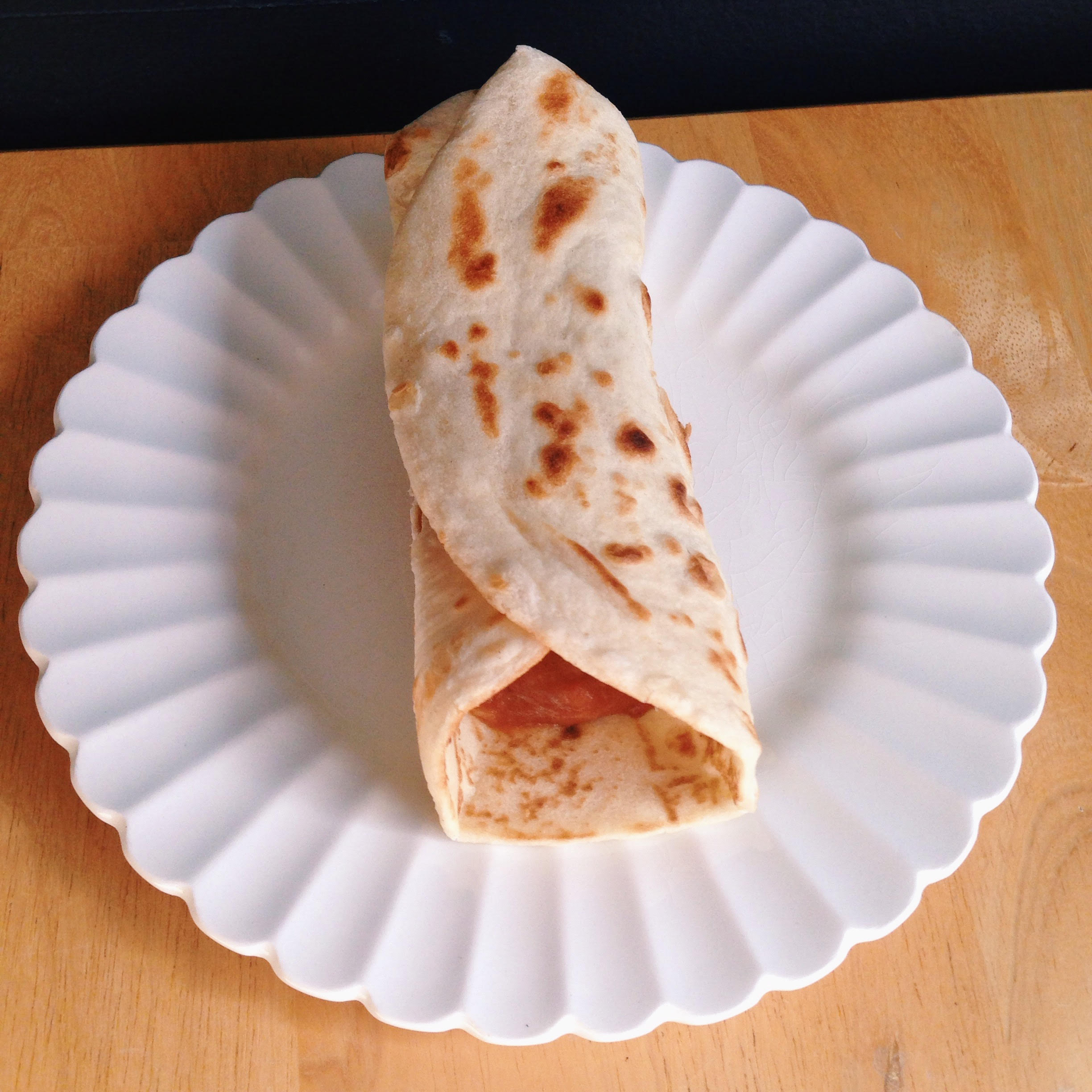
4. Scoop some beans on a tortilla, pour a little salsa on the beans, roll up, and enjoy!

bean burrito

MADE: Burritos de Frijoles

Enormous Eye

A few weeks ago I was asked to chronicle my Saturday for Enormous Eye, “a website that watches writers watch their days.” It was one of the most surprising assignments I’ve ever done, not only because I’d never noticed my life in such detail before, but also because who knew my family was that cheesy? I only had one day to type up my notes and submit, but when I reread it I could hear an angry editor, played by Danny DeVito in a crumpled shirt, burgundy tie, and suspenders, smoking a cigar and yelling at me to “Tone down the cute! You think any reader’s gonna buy this? It’s just not believable!!!” I know the publishing industry isn’t run by sweaty, angry men anymore (especially on the ‘net), but I like this daydream a lot, especially the part where I sternly yet respectfully respond, “I’m sorry, Mr. Editor Man, but I refuse to edit the truth” and walk out clutching my manuscript while wearing big glasses with thin brown frames á la Ms. Geist in Clueless.

You can read the full post here, and here’s a photo of my beautiful Chihuahua taken that morning.

Enormous Eye

Chihuahua II

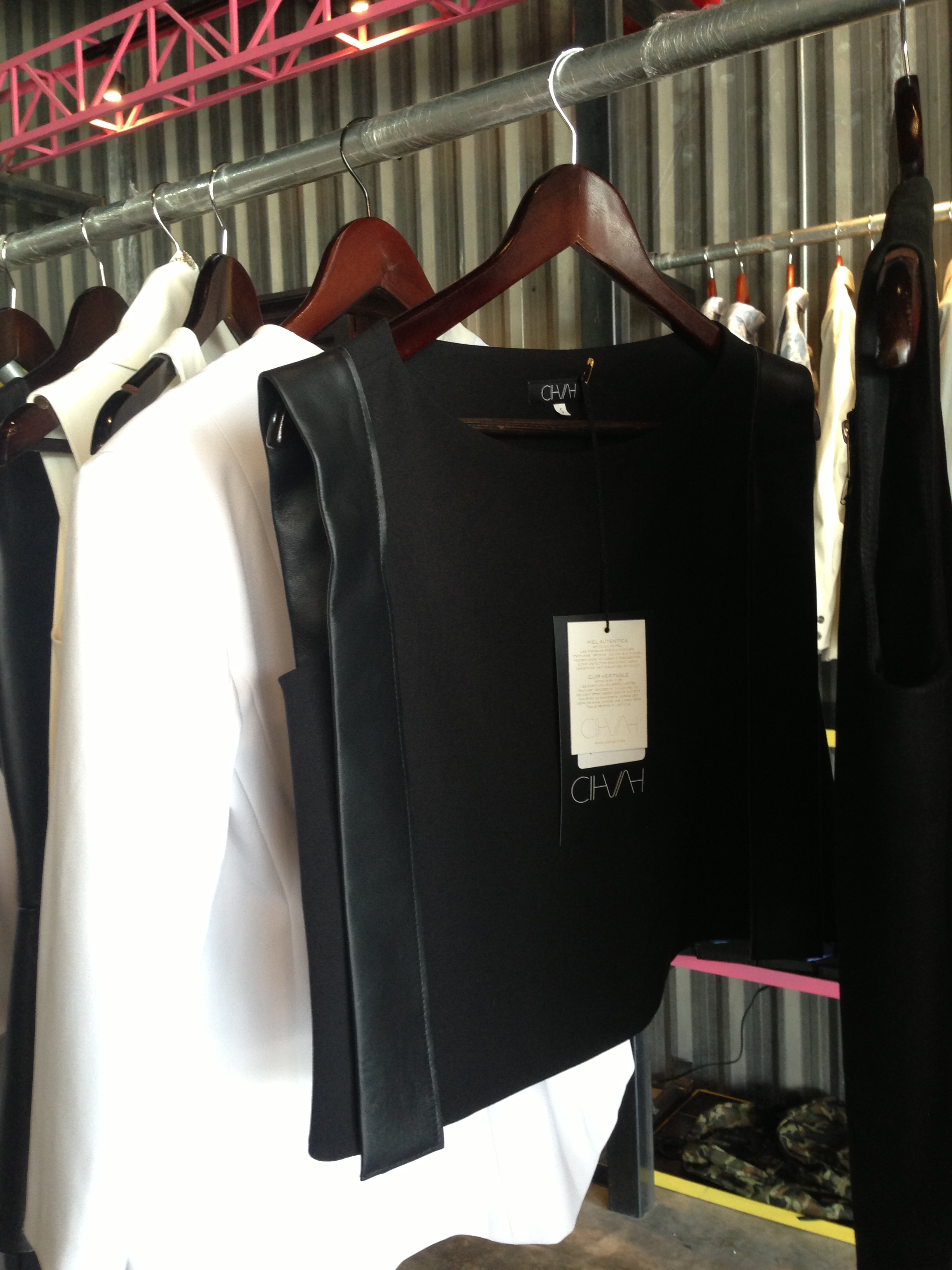
When I went home this summer, I got to visit Santiamén, a new boutique specializing exclusively in Mexican design. Everything sold there is designed by Mexican designers, made in Mexico, and it is all beautiful.

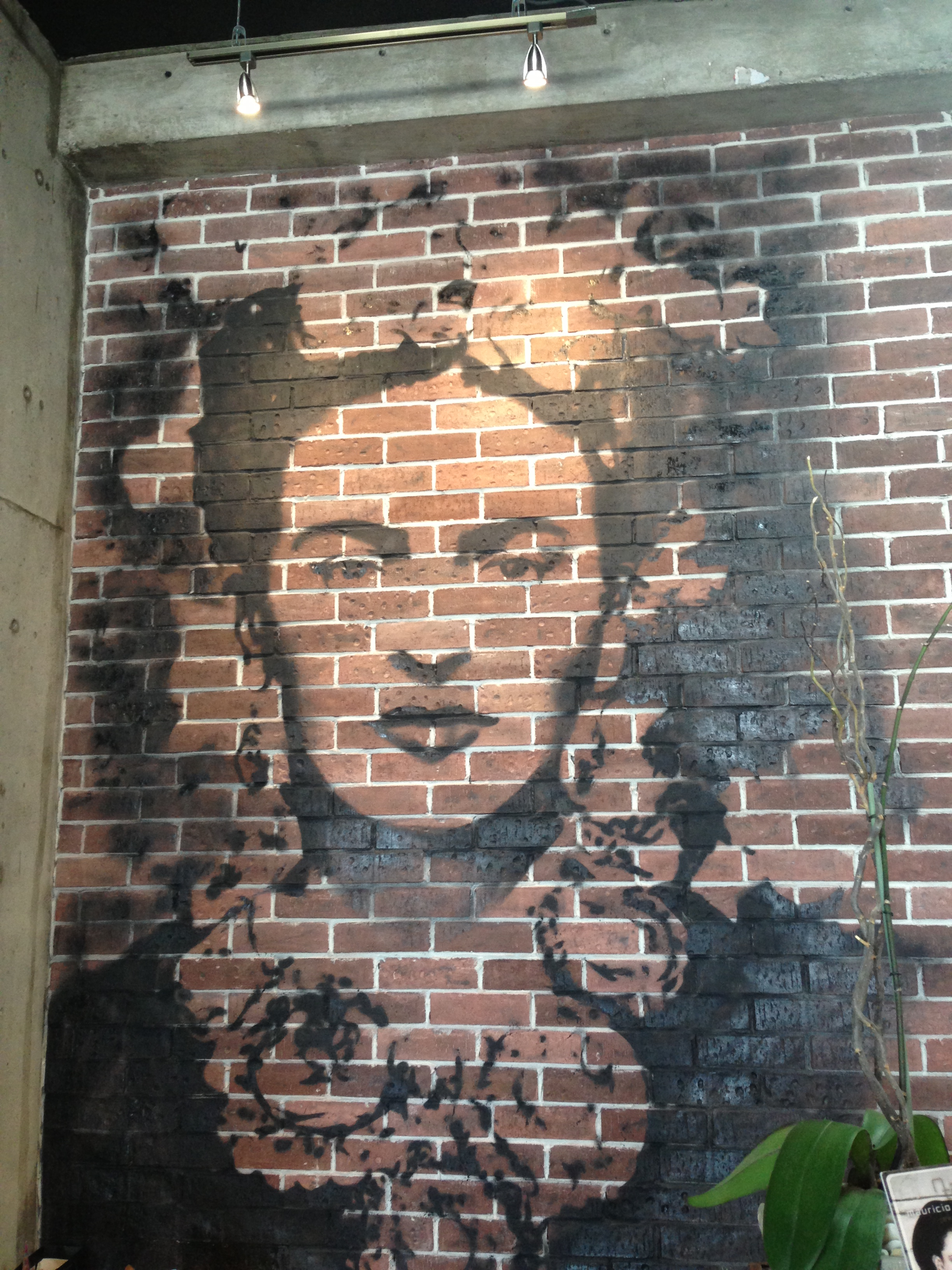
frida hayek
I fell in love as soon as I walked in and saw this mural. Is it Frida Kahlo or Salma Hayek as Frida Kahlo? I can’t decide.

The experience was very special to me because I grew up in a city and state full of maquilas, factories that make things for U.S. (and some other international) brands. I could point to factories where American cars, greeting cards, blue jeans, and a huge number of other things are made. But these things are not cheap to buy in Mexico. In fact, they are sold at a huge mark-up because they are ‘foreign’ even though they are made right there! Furthermore, they are designed far away, so most if not all of the Mexico-based employees of these companies only get to realize someone else’s vision rather than playing a role in the creative process. And most importantly, the profits of these companies leave the country and end up in the pockets of executives abroad. In fact, the only reason they manufacture things in Mexico is because it’s cheaper; and many companies have moved their operations to Asia because there the production costs are cheaper and the labor regulations, more lax, meaning that they can pay and protect workers even less.

Oh, perfect black top, I think of you daily.

I dream of a world where national economies are truly independent, manufacturing things where they are and dealing directly with the people who make what they sell. I know it would be better for our environment, and I believe it would be better for our societies because it is harder to ignore injustices that happen down the street than it is to ignore those that happen on the other side of the world.

colorfulshirts
Patterns that seem to dance on the fabric.

When I am in Chihuahua, I make it a priority to support the Mexican economy. My younger cousins laugh because before buying them any junk food, I make sure that it is made by a Mexican company and that we are buying it from a Mexican store. When we go out to eat, I ask to go to local restaurants. Until now, however, there wasn’t a place to buy clothes and accessories other than the traditional things from our region. Santiamén offers an exciting new way to support the Mexican economy, and I hope it is the first of many local stores that adopt this model (think of all the other possibilities: bicycles, furniture, linens, electronics, cars!). And did I mention it was beautiful?

florals
I’ll take one of everything, please!
Chihuahua II

Chihuahua I

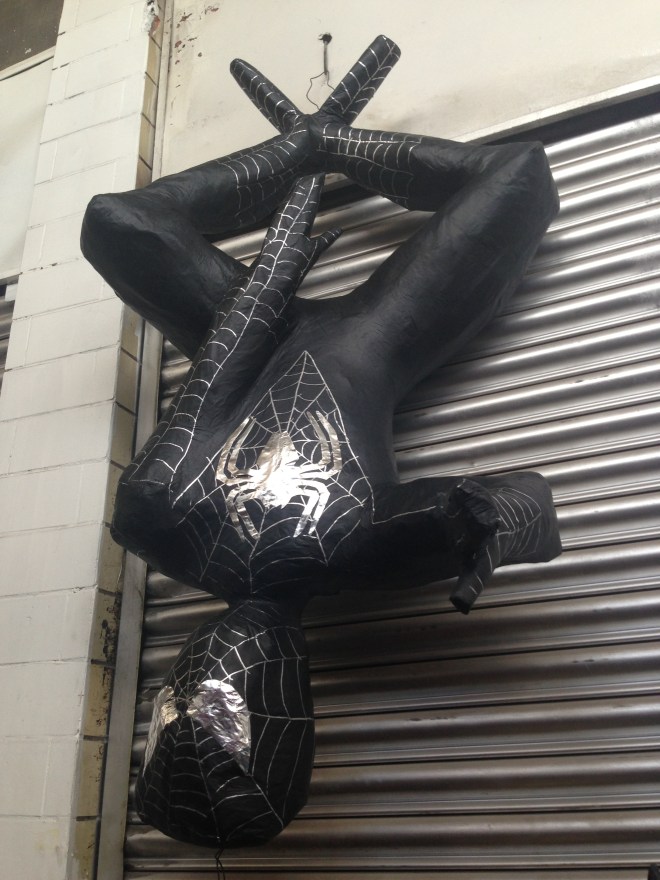
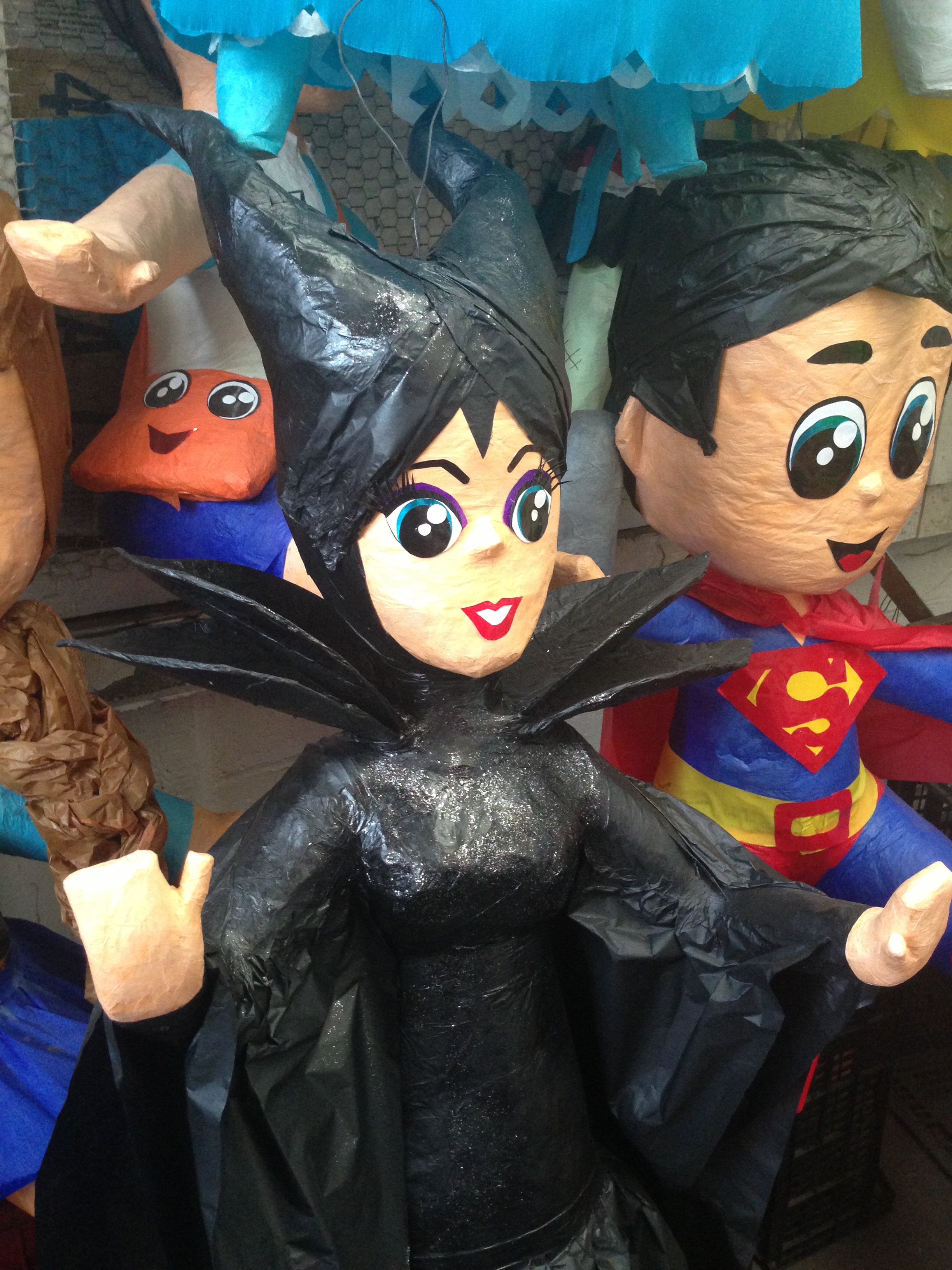
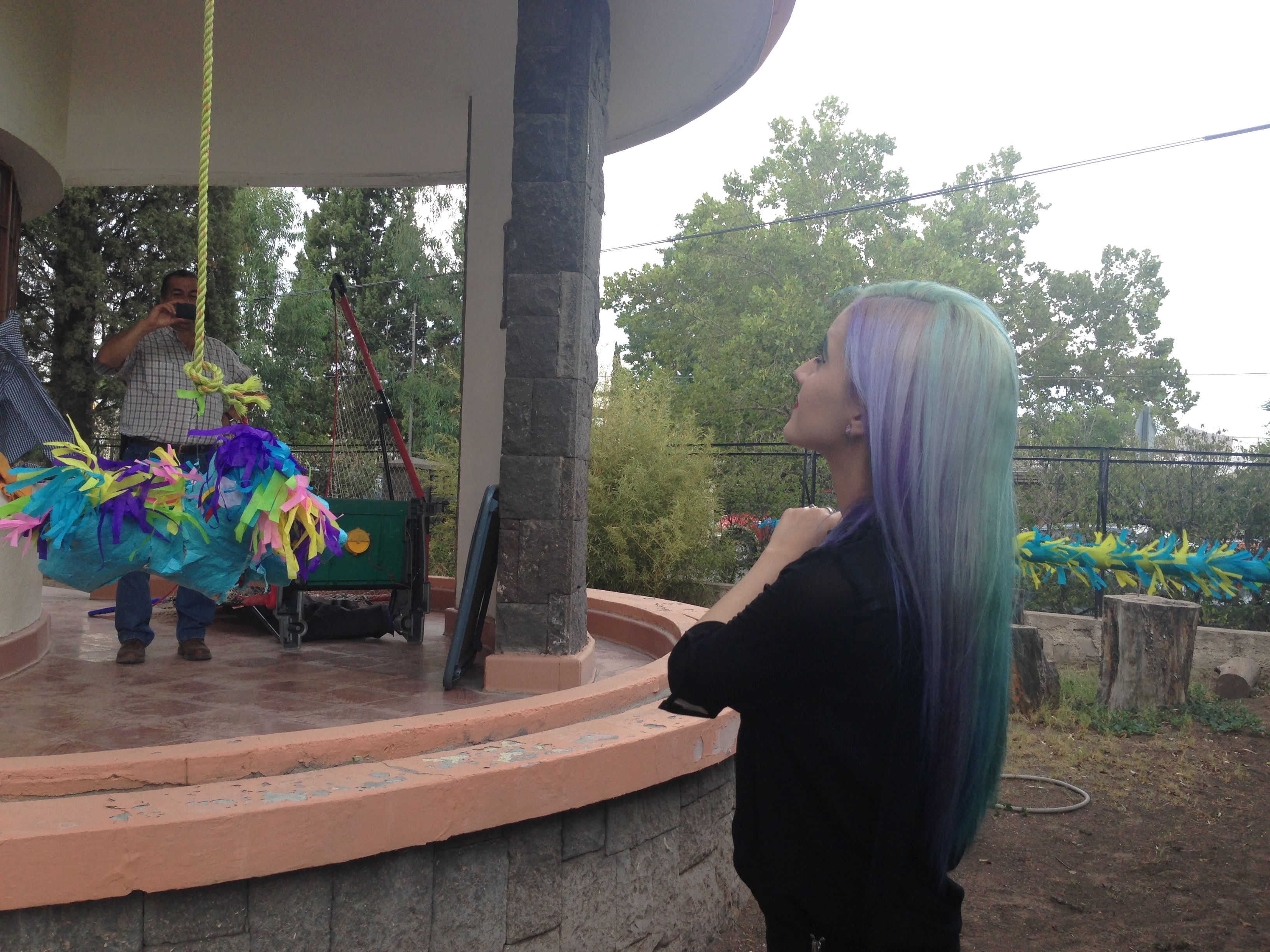
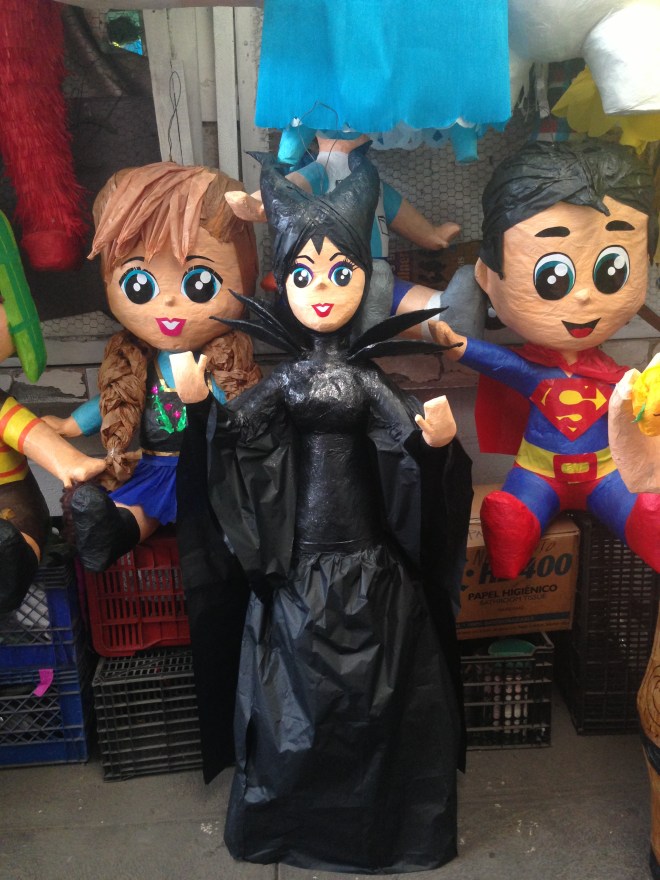
Devin and I are visiting my family in Mexico this week, doing all the things we never get to do at home, like eating freshly-picked figs and cactus from my  aunt and uncle’s garden, taking my niece to the park, and shopping for piñatas. Piñatas are true works of art, and today I think I might have found the very best ones. First, I found this one: I'll be here just swangin' Then, I passed this high-fashion statue: Evil Fashionista Obligatory close-up of the collar: YES In the end we settled on My Little Pony for my little pony of a cousin Isabella who turned eighteen today! Little Ponies
Chihuahua I

New Year’s Eve

Tonight a bunch of my family went out for dinner and dancing to bring in the new year. At midnight, my mom, my aunt Menry, and Vanessa whispered, ‘This is your year’ when they hugged me, and my heart skipped a beat every time. And I couldn’t say anything back because I didn’t want to ruin my mascara.

I missed Devin a whole lot, especially during the dancing. But then Menry said, ‘Colecciono momentos mágicos. Creo que este es uno’, which reminded me so much of something my grandmother used to say. And then the band played the first song Devin learned in Spanish, and my aunt Martha exclaimed, ‘La canción de Devin!’

I remembered what it was like to kiss my Abbita on the cheek to wish her a happy new year, and I imagined what it will be like to kiss Devin at the stroke of midnight. And I thought about how the people you love stay a part of your life forever.

This year I finally ate all twelve of my grapes and made a wish for each one. At 12:30, my aunt Menry said, ‘We have to go because we’re getting up early tomorrow’.

But the whole family stayed until the party was over. Like we always do.

Happy new year!
kristy

New Year’s Eve