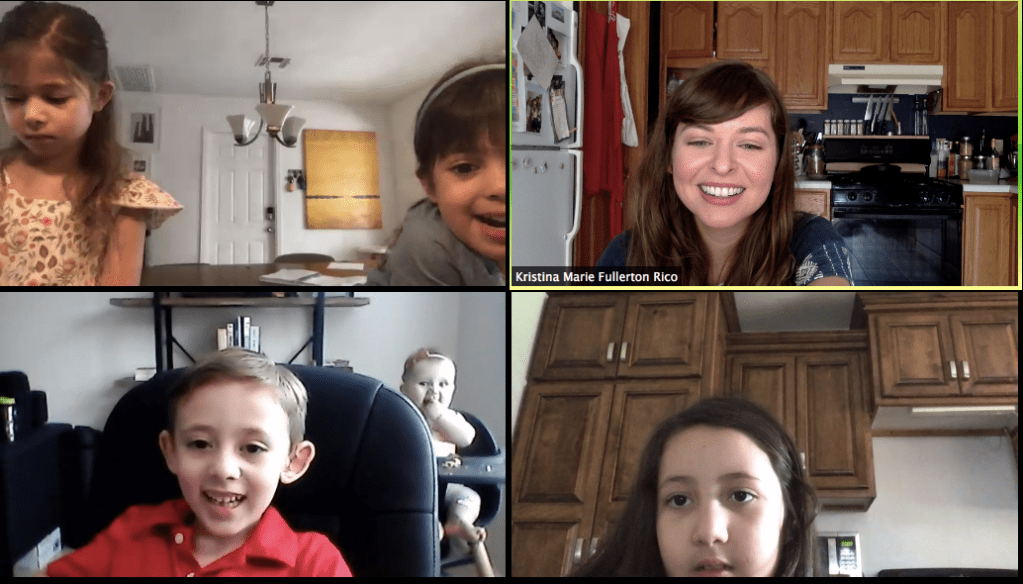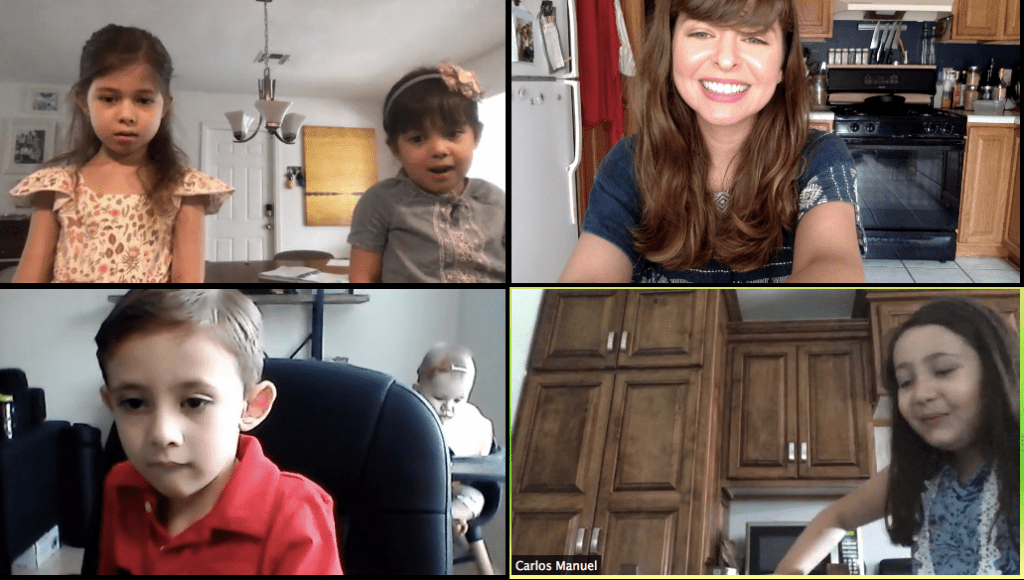
Home Video, December 2021

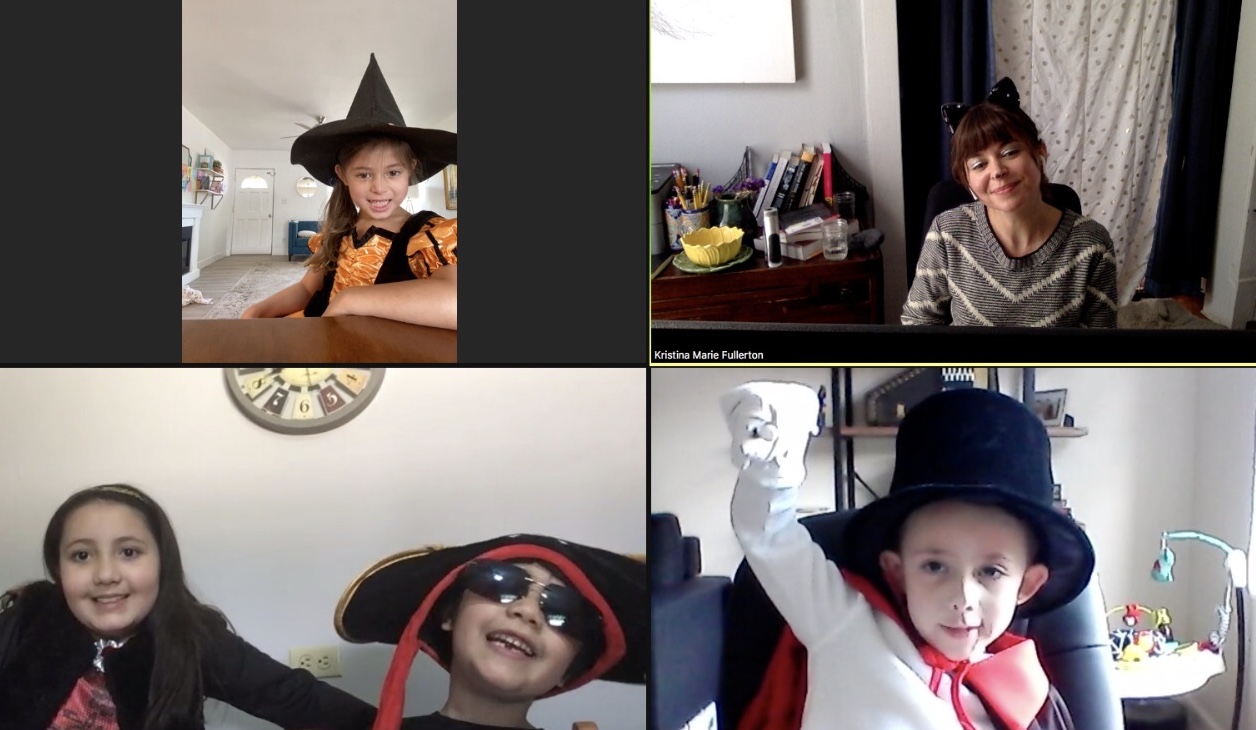
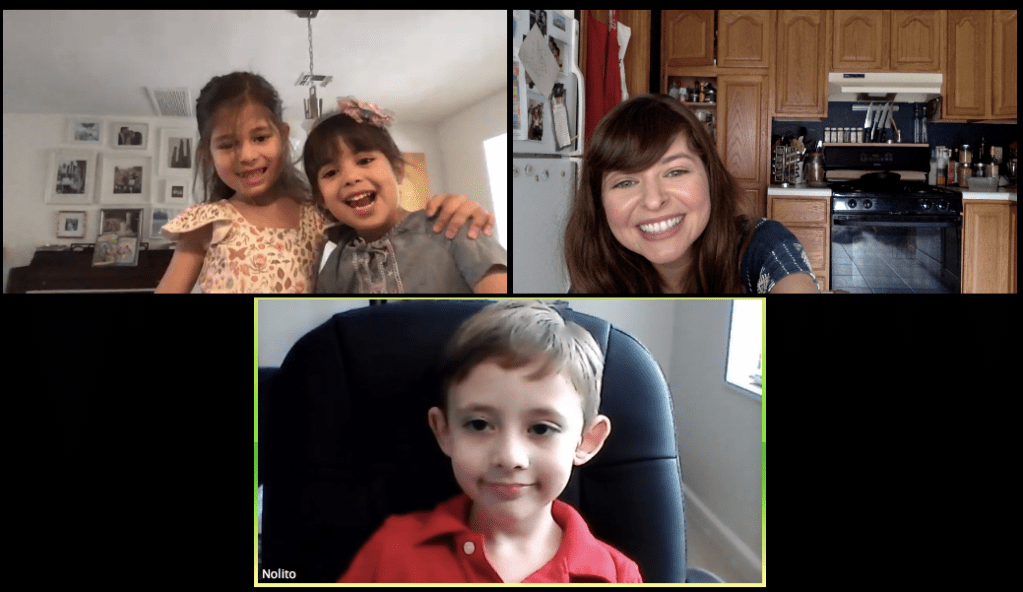
My cousin Ana Karen sent me this video she filmed when her family came over a few weeks ago. Usually, smartphone videos seem different from the home videos of my childhood –– back when all the moms had a big videocamera glued to their right eye on special occasions –– but this one feels like the big VHS tapes of my cousins and me that we would re-watch around the holidays.

I can imagine returning to watch this video, over and over again, with my sobris Nolito and Dahlia to remember what this time in our life was like. It’s an instant treasure. ¡Mil gracias, AK!

Home Video, December 2021

Letter from Victoria

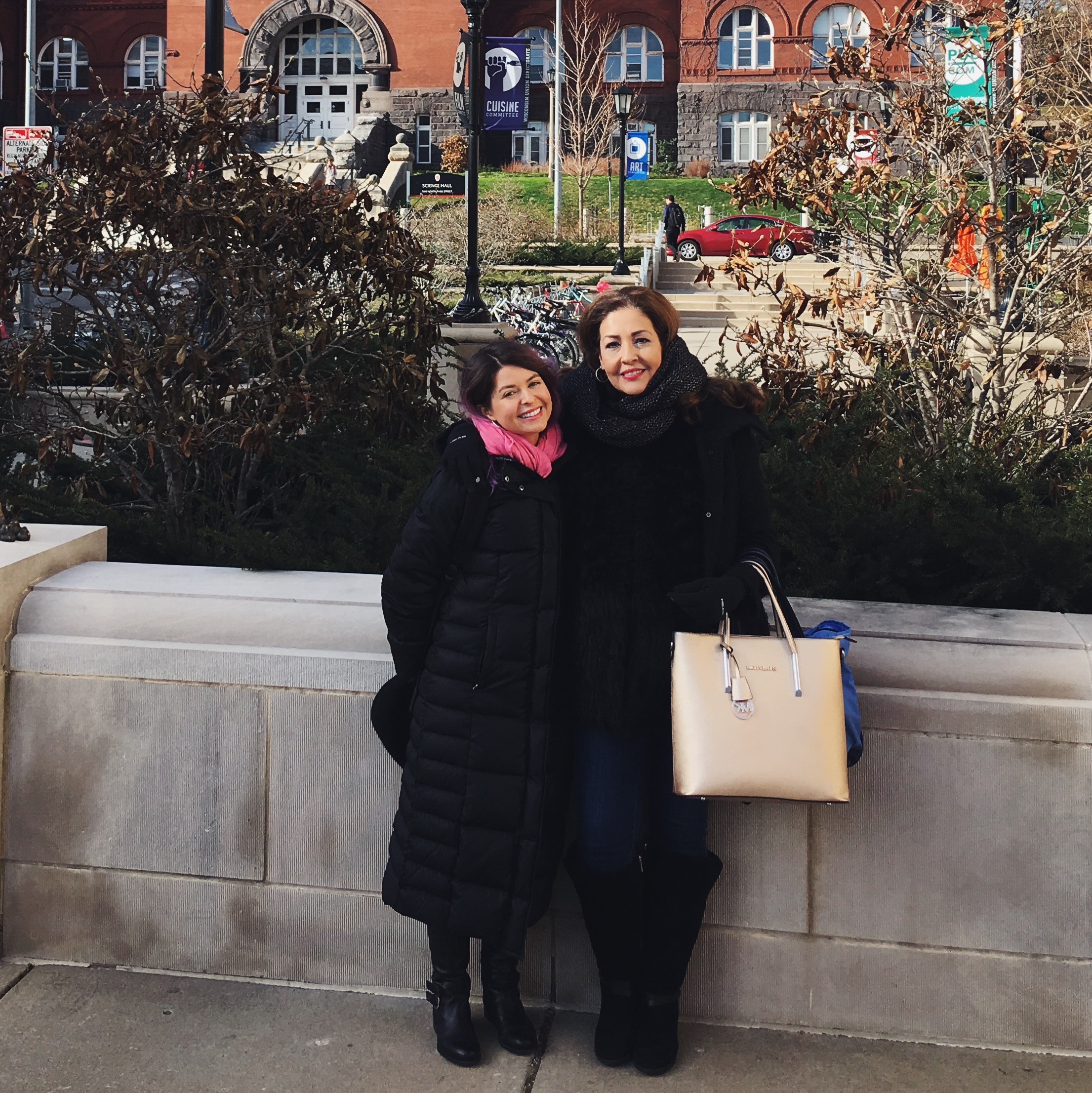
My favorite picture with Vic, taken in October 2021. You’ll notice she’s covering her laptop camera with her thumb. That’s because I accidentally photo-bombed her Zoom class…

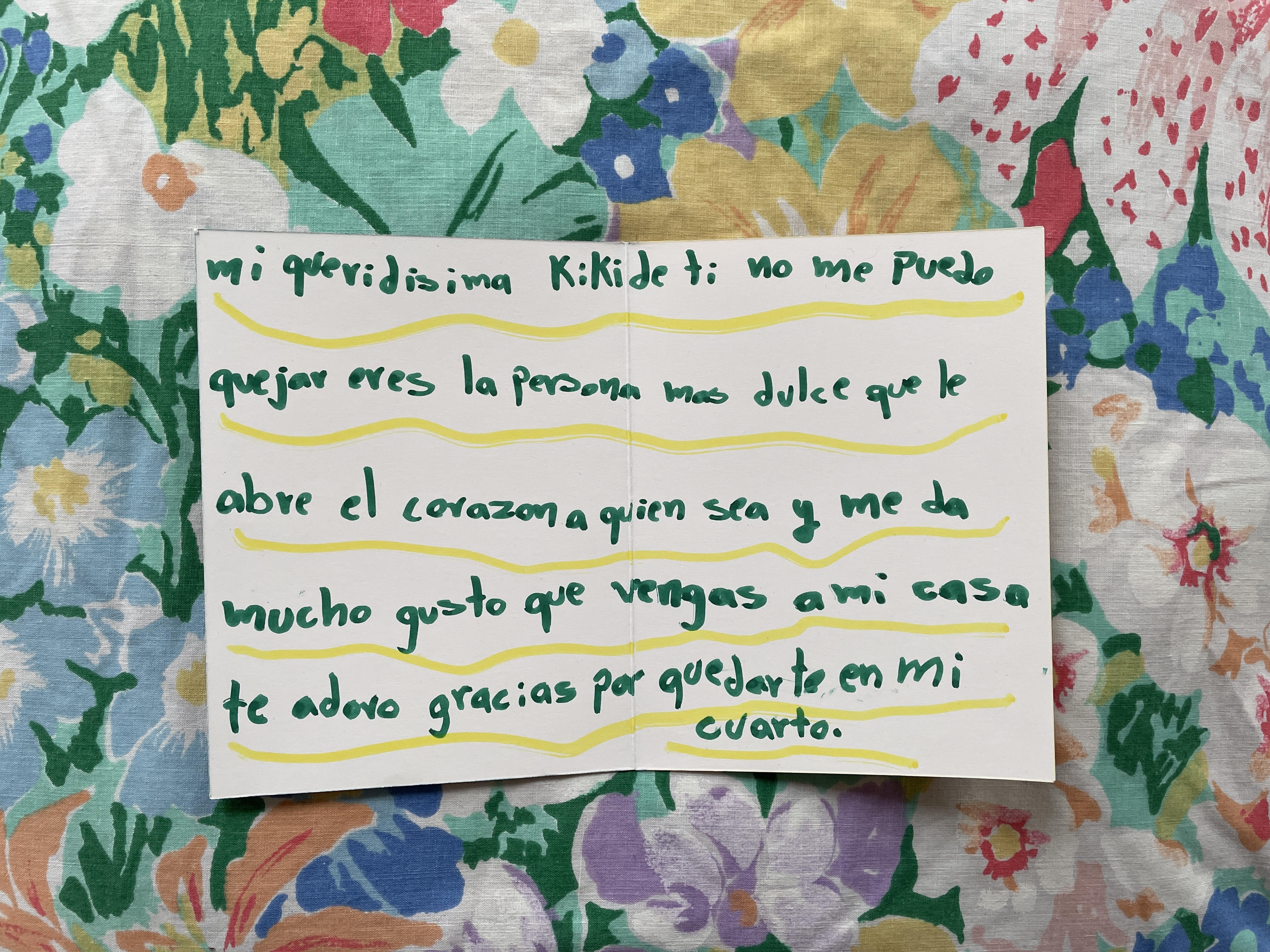
Ten years ago, I became Tía Kiki and wrote a letter to my sobri Victoria on this blog. This year she wrote one to me. It is the nicest letter I’ve ever gotten, and it reminds me of the coolest part of being a tía: first, you love the babies, and then, they love you back. Logically, I understand that this pattern is key to human survival, but to experience it first-hand is incredible. I feel lucky beyond words.

Letter from Vic, November 2021.

.

Letter from Victoria

2020 in Review

I wrote this in a notebook on the 2nd of January (2021) and then packed away the notebook and didn’t find it until many months later, but I love to uphold personal traditions, so here I am, typing it up in November. I learned a lot of hard lessons in 2020, and I worry I might forget.

What I Will Remember from 2020

THE PARTIES

  • Going to give a hug to another volunteer at the closing party of Elizabeth Warren’s campaign office in Madison, Wisconsin. The startled look on his face. The way I laughed it off and hugged him anyway. He was older and started worrying about COVID long before anyone else I knew. That memory haunted me the rest of the year.
  • Dancing in my living room at my birthday party. The house so full I had a hard time making sure I’d said hello to everyone. Two of my friends bonding over something from their youth and one of them sneaking away to cry in the corner. I checked on her and she said, “I’m fine. I just need a minute.” I thought about all the little private moments at parties. The ones we see and the ones we miss.
  • The theme of my party was 2010–2020: Hits of the Decade. I made a playlist with everyone’s favorite songs from the ’10s, but the living room didn’t really become a dance floor until someone put on a Bad Bunny song so new that nobody knew all the lyrics. Then, we were all dancing to Selena in a circle. A White friend of mine laughing nervously, unsure if she was moving her feet correctly. I wanted to say “You are!” The best way to dance to Tejano music is like this: going around and around in a circle, everyone shuffling their feet in the same direction. It’s magic the way you feel your body getting in sync with everyone else’s. Hearts thumping to the same rhythm. Heads nodding to the same beat.
  • The music kept changing after that. Cumbias y rancheras from the ‘90s. Los Angeles Azules. I felt myself transported to a party in Mexico –– someone’s wedding, I think. I could imagine the couples dancing, the pre-teen sobrinos giggling on the edge of the dance floor, little kids asleep on chairs that their parents had pushed together as makeshift cots to buy themselves a little more time. Just one more song. Just one more song.
  • I thought about the power of music. The way my friend’s bluetooth speaker made this snowy night feel like a memory of home.
  •  It’s funny, but I don’t remember the cake. It was my birthday, so there had to be cake, right? I do remember saying goodbye as the last guests trickled out and thinking, “More parties. This year we’ll have more parties.”

THE PANDEMIC

  • The shame that burned my face and clamped tight around my throat a couple of weeks later when I realized how reckless it had been to have a birthday party at all. Learning terms like “community spread,” “droplet vs. airborne transmission,” “safer at home,” and “together apart.” Becoming convinced that the most important thing was to follow the guidance of public health experts in order to save lives. Remembering that I didn’t always know that I should do this and trying to stay patient while waiting for everyone as privileged as I am to realize that the sacrifices being asked of us were necessary and worthwhile. Waiting. And waiting.
  • Learning to be roommates with my mom and Devin as 2 weeks stretched into 5 months and we bickered over how to wash the dishes, what movies to watch next, and how often to eat kale.
  • Becoming weirdly fanatical about going on long walks with Chloe the dog and not missing the neighborhood farmers’ market.
  • The horror of watching public officials and corporate executives put profits over people’s safety. The horror of realizing that most of us had become numb to mass casualty deaths, even when we could have prevented those deaths.
  • Sobbing quietly to Devin, hoping my mom couldn’t hear. Saying over and over, “But I need to see my family. I always go home. That is who I am.” Typing out long messages on the family WhatsApp explaining why we shouldn’t get together and begging all my aunts and cousins to stay apart, even though what I wanted more than anything was to be there, breaking the rules with them.
  • The strain of forcing myself to act rationally for nine and a half months.
  • Logging out and staying off social media because I couldn’t handle all the restaurant–party–vacation photos interspersed with death announcements and pleas from exhausted doctors and nurses interspersed with anti-vaccine conspiracy theories and unfounded natural cures for COVID.
  • Wondering if I was overreacting and checking COVID statistics only to realize that things were even worse than I thought. Again. And again.
  • The miracle of realizing that my wish of being a better tía who sees her sobris all the time had come true. Even if it was on Zoom.
  • Feeling the giddiness that I only get after throwing a good party after logging off the birthday Zoom for my cousin Alex and how proud I was to have planned it.
  • The perspective I gained from the pandemic and how fearless it made me in other parts of my life.
    “Want to paddleboard all by yourself on a big lake even though you’re not a very good swimmer?” 
    “I’m in.”

    “Want to learn to drive even though you’ve always been too scared?”
    “Yup.”

    “Want to lead national Zoom calls to get out the Latinx vote in the election even though you hate public speaking?”
    “Definitely.”
  • Feeling my home transform into a space station and learning to do everything in one place: “Welcome to my home/office/fitness studio/phone-bank central/classroom/movie theater.” Leaving the house felt like going on a space walk.
  • Learning to appreciate in-person human interactions so much that an hour spent in a park with friends felt as luxurious and restorative as a weekend trip.
  • The sadness of wanting to hug the people I love and invite them in, instead of standing awkwardly on the porch and sidewalk. Knowing it was the right thing to do but feeling unspeakably cruel.
  • Reflecting on how I process information and make decisions and feeling like a scientist for the first time in my life.
  • Remembering my January trip to Phoenix and feeling like it was a dream.
  • Becoming someone who wears her hair in a ponytail almost every day.
  • Knowing what my values and priorities are more clearly than ever before. Trying to be congruent.
  • The gift of practicing gratitude.
  • Turning to Devin and saying “Can you believe we aren’t sick of each other yet?” and feeling lucky every morning when I realized we’d get to spend another day together.
  • Having the best date of my life: walking 3 miles to see Christmas lights in the snow, talking about anything, everything, and nothing. Coming home to our apartment, turning on the twinkle lights, and staying up all night.
  • Baking dozens and dozens of different chocolate chip cookies and discovering a cardinal rule for myself: never brown the butter!
  • Becoming one of those people who makes dinner with whatever they have in the kitchen.
  • Watching my first live-streamed funeral and wishing it would be my last.
  • Feeling older and younger than ever before.
2020 in Review

Ofrendas

A few weeks ago, Devin and I made an ofrenda for our grandmothers. Even though I’m Mexican, my family has never been big on Día de Muertos. In fact, one of Abbita’s favorite sayings was “En vida, hermano, en vida,” which basically means “If you want to do something nice for someone, do it while they’re still alive.”

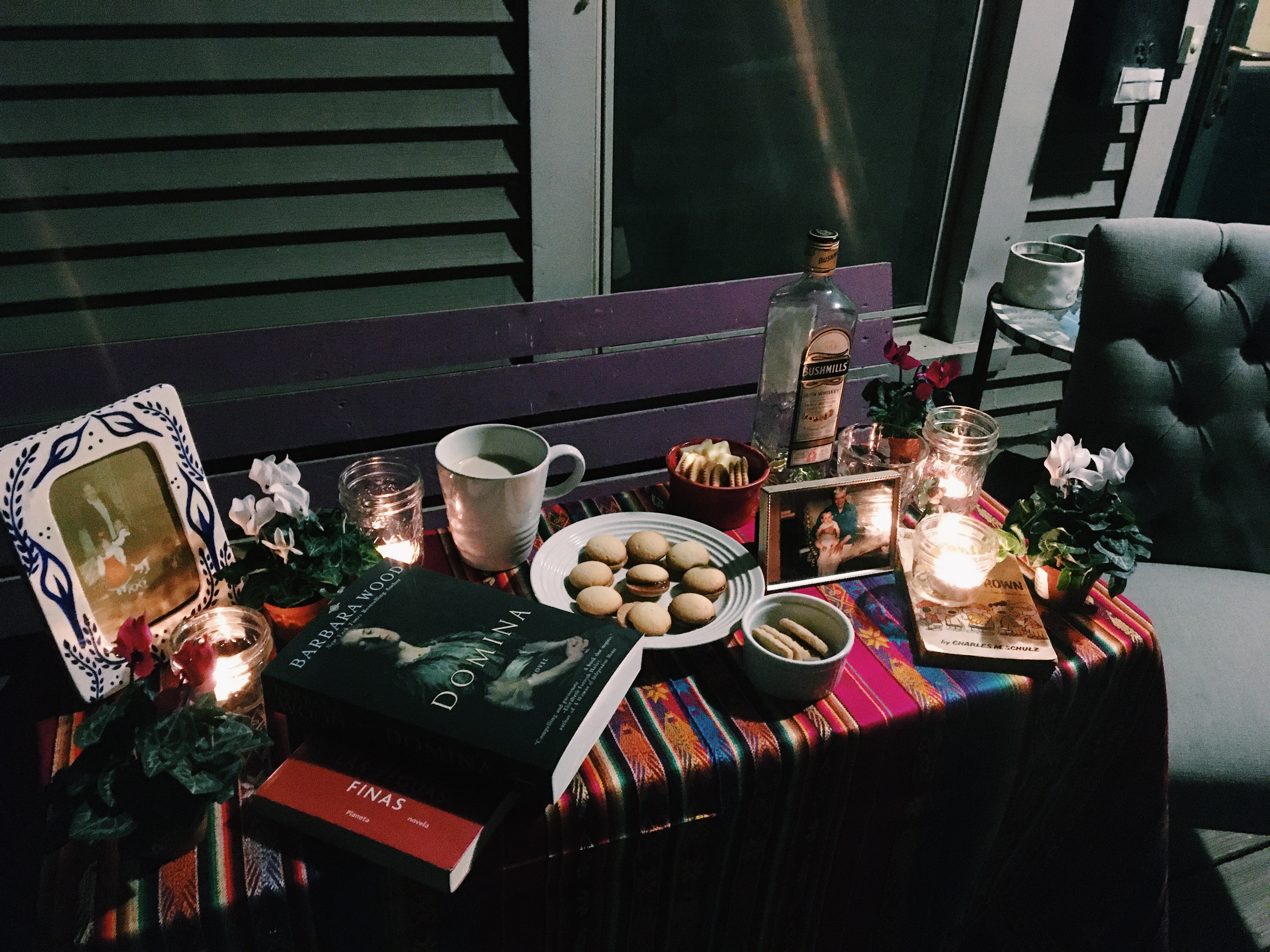
As I prepared the ofrenda for her, I could imagine her laughing and shaking her head at me, so I decided to add something she couldn’t refuse… In addition to her coffee and cookies with cajeta, I placed her favorite novel, Domina, which she liked because it is about a woman who overcomes the obstacles in her path to become one of the first (fictional) female surgeons. (Knowing her life story, it’s pretty obvious why that story would appeal to her). I also found the last book we read together, Las Yeguas Finas, so I put that one out, too. I know that if Abbita did come back to Earth for one night only, the first thing she would want is to sit down to read, and I could picture her eyes twinkling at the sight of these two books.

We also made an ofrenda for Devin’s Grandma Pat, with her favorite evening snack: cheese, crackers, and Irish whiskey. She learned to drink whiskey straight because her dad told her that it was better to know how much you were drinking than to risk drinking too many fruity cocktails, and she stuck by that rule her whole life. She also loved Charlie Brown, so we put out a book of Peanuts comics for her and an angel figurine that she gave us a couple of years ago.

One of the hardest things about the COVID-19 pandemic is that we weren’t able to gather with Devin’s family to commemorate Grandma Pat’s life. When this is over, I hope we’ll be able to go to her memorial service and share all the things we love about her with her kids, grandkids, and great-grandkids, but until then, it’s been nice to find small ways to commemorate her life, like making her an ofrenda or buying her favorite chocolate (Fannie May milk chocolate buttercreams) to share.

On the night we made the ofrendas, I thought about how I met Grandma Pat a few months after Abbita died, so they never got to know each other, but looking at their pictures in the candlelight, I could picture them talking and laughing together. It felt magical.


Ofrendas

Teaching and learning Spanish from home: spotlight on Bilinguify!

How did you learn to speak another language? I like to ask this question when I meet new people because the answers are fascinating. People who grew up in multilingual countries or regions often can’t remember how they learned a “second” language (“What do you mean? I just grew up speaking both!”). But those of us who learned a second language in places that are predominantly monolingual often talk about our language classes in a tone usually reserved for root canals (e.g. “Ugggh, I hated my Spanish classes. The only word I learned was biblioteca“).

Growing up in Mexico and then the U.S., I feel like I experienced a lot of different teaching styles from fun––like singing “Pollito, chicken/gallina, hen”––to torturous. (I’m looking at you, ESL teacher who made the Spanish speakers repeat the word “pajamas” over and over in an attempt to get rid of our accents. It was awful! Even though I speak very fluent English now, I still hesitate before saying that word!)

The more I learn about language acquisition, the more I’m convinced that learning a new language is all about how we are taught and why we are learning.

Which is great to think about, but how do you actually put it into practice? Especially when you’re the person responsible for teaching kids? At home? In the middle of a pandemic???

It’s enough to make even the most committed bilingual parents and caregivers say, “Forget it! ¡Olvídalo! I can’t! ¡No puedo!,” but then, if you’re like me, you think about how grateful you are to be able to think and speak and love in two languages and how much you want to pass that on to the children in your life.

That’s where Bilinguify! comes in. Bilinguify is a 21-day class and community space for people who want to help kids learn Spanish in a fun, joyful way. I took the class this summer and learned strategies that have helped me connect with mis sobrinit@s even when we are far apart because of the pandemic.


I think Bilinguify! works because it’s not about being perfect or using traditional tools like worksheets and vocabulary lessons. Instead, this class helps us realize that we aren’t just teaching our kids Spanish because we want them to know how to use accents and punctuation or even because we know it will help them have an easier time getting a job later in their lives. Both of those things are cool, but I suspect that if you’re reading this, you probably have a deeper motivation.

Maybe you’re a Latinx parent who wants to make sure your kids can talk to their hilarious abuelita and laugh at her jokes. Maybe you grew up embarrassed to speak Spanish, and you want your kids to love themselves and your culture from the beginning instead of having to unlearn shame. Maybe you want your kids to feel empowered because they can not only understand Spanish but also say exactly what they mean to say whenever they want to say it. Maybe you don’t even speak Spanish yourself, but you’ve been troubled by news stories about increasing hate crimes and you want to make sure your children are learning to reject racism in all its forms.

Whatever your reason, knowing why Spanish is important to you makes everything easier. After guiding you through an exercise to clarify your mission, Bilinguify! offers you tons of strategies to incorporate Spanish-learning opportunities into your everyday life and to find community so that you’re not putting all pressure on yourself to be the perfect teacher.

Because, after all, as anyone who’s grown up bilingual can tell you, the best way to learn a new language isn’t in a standard class where you repeat new words over and over. It’s singing, playing, talking, and dreaming in that language until it becomes a part of you.

I’ve been using these tips and tricks to connect with my sobrin@s over Zoom calls and FaceTimes, so I can tell you that they really do work!

In honor of Latinx Heritage Month, Bilinguify! is on sale for $97. AND if you use the code DIEZ at checkout, you’ll get an additional 10% off. Even though you’ll be able to access Bilinguify! resources on your own time, this program is all about community, so it only runs for three weeks, and you must be registered by this Saturday September 26th at 10 pm PST. The program will start on Monday, September 28, 2020 when you’ll be able to access short videos, resources and prompts, members-only discussion forums with other community members, and Zoom calls to learn more and talk about how it’s going.

Note: Bilinguify! was created by my cousin, Vanessa Nielsen Molina, who also runs my favorite book subscription service, Sol Book Box (I wrote more about that here), but even though I know about Bilinguify! and Sol Book Box because I know Vanessa, I’ve been a full-price paying customer for years because I believe these services are worth it.

This time, for the first time, I’m an affiliate, so if you sign up for Bilinguify! using this link, I’ll get a small compensation, at no cost to you.

Teaching and learning Spanish from home: spotlight on Bilinguify!

Protesting in a Pandemic and Risk Reduction

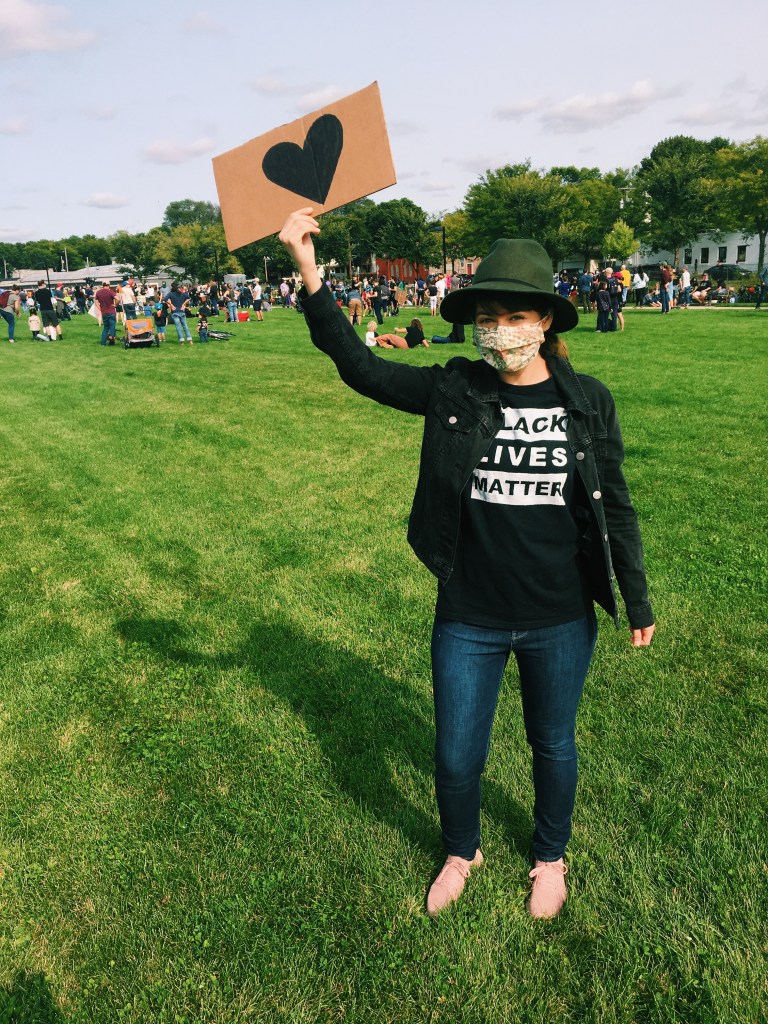
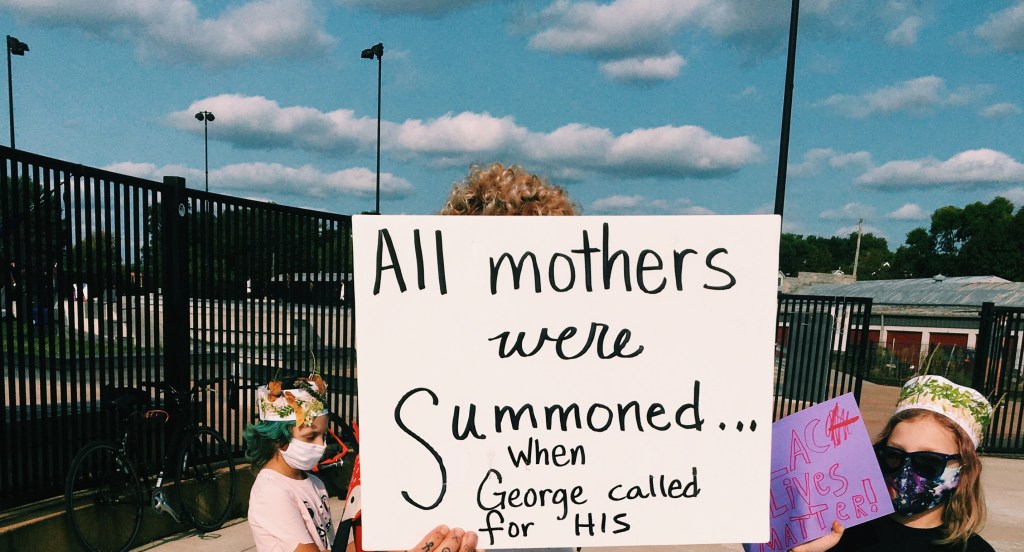
Today I went to the Kids’ March for Black Lives in my neighborhood, which reminded me that I’ve been meaning to share this incredibly useful list of how to protest while reducing risks of getting and spreading COVID-19.

Here I am holding a sign at the march. Instead of writing words, I drew a heart on my sign because I wanted it to be easy to read, even for little kids who might not read words.

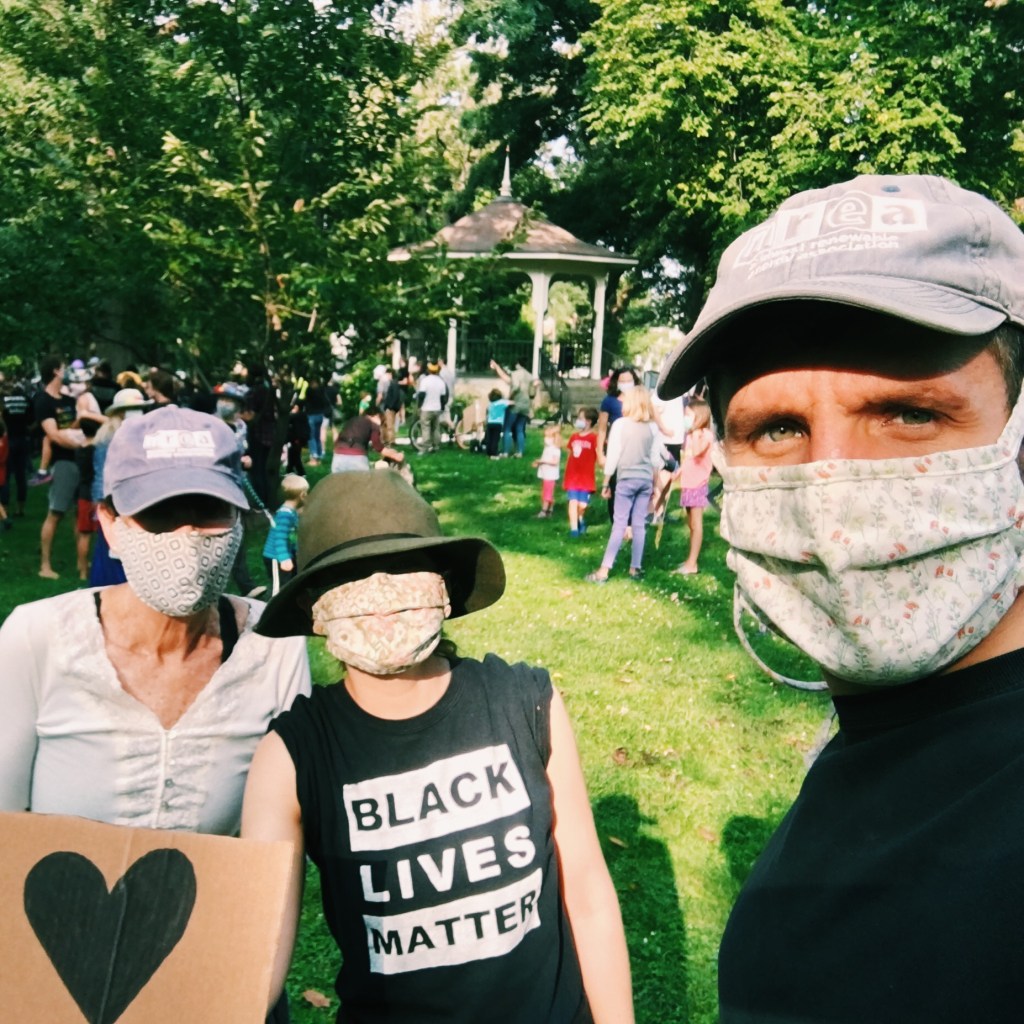
The march today was a powerful experience, made even more beautiful by the fact that I got to march with Devin and his mom, who is not only the mom of a former kid I love very much but also an educator who teaches kids today.

Anne (Devin’s mom), me, and Devin at the end of the Kids’ March for Black Lives


I feel incredibly lucky to have gotten to hear children and anti-racist parents and teachers speak about justice and safety and what it means to be in community and divest from unjust systems in order to invest in what we really need: schools, housing, clean water, health care (just to name a few).

Protesting in a pandemic is complicated, and there are lots of ways to contribute to the Black Lives Matter movement that don’t involve going outside and participating in person, but I’m really glad we were able to go and march in a way that felt safe and responsible given our risk factors and responsibilities to others around us. If you’re thinking of going to a protest, I encourage you to read this list and make a plan to participate with COVID protection in mind. Remember: we keep us safe!


P.S. The list I’m sharing here was made by my friends Alison Kopit (she/her) and Elizabeth Harrison (they/them), two of the most intentional, community-minded people I know and admire!

Protesting in a Pandemic and Risk Reduction

Eslopi Yos

When I am asked whether I want to drink chocolate milk or regular milk, I don’t understand the question. 

Where I’m from, plain milk is an ingredient, something to stir chocolate into or blend with fruit to make a licuado.

The question feels like a prank, but when I look around the cafeteria, half the kids are drinking from red and white cartons.

Soon I will learn that this cafeteria is technically called a “cafetorium.” I will savor this word for years, thinking it cosmopolitan––maybe the original Latin?––before learning that it is really just a portmanteau for cafeteria and auditorium, a way for public schools to cut costs. My school is full of franken-words like this––cafetorium, spork––and when I learn them I feel second-hand embarrassment, like maybe the U.S. is not the sophisticated place I had imagined it to be.

In Mexico, everything seemed fancier if it came from the U.S. Please, my cousins and I begged our mothers, please make eslopi yos. When my aunt finally did, I struggled to choke down the saccharine saucy meat that I’d so idealized when I saw it in a movie about summer camp where the kids ate at long wooden tables. It’s too sweet to be lunch but too meaty to be dessert, I thought, trying to categorize the flavor of my first sloppy joe.

Fast-forward and here I was, in a real American cafeteria, at my own long table, eating from a squeaky styrofoam tray and drinking chocolate milk from a thin square carton, trying to ignore the taste of paper that came with every sip.

Eslopi Yos

Conditionally Accepted*

mi mami y yo.JPG

In college, I told my mom I was in a group for women of color, and she looked at me unsure. “Are you a woman of color?” she asked.

It’s the same look she gave me last month when we talked about race and migration. “I don’t really think of you as an immigrant,” she admitted.

“But we moved here together,” I reminded her.

“I know,” she said, and we laughed, remembering the things we went through. I’d get in trouble in school for following my teacher’s directions literally because that’s the only way I understood English. Drivers would stare at us on our walks to the grocery store––making it very clear that we were the only people who walked places in the Texas suburbs. A few months later, we were tricked into buying a car that would break down every 20 miles. After pouring water into the radiator or changing the oil, my mom would say “It’s God-powered, remember?” and I would nod, assured that our precarious rides were really miraculous adventures.

My mom and I have gone through so much together, and yet I know exactly what she means when she wonders if I am a woman of color or a Mexican immigrant like her.

Despite our similarities, in the United States, we have always been treated differently. I am perceived as White and American. She is perceived as brown and un-American. This difference in perception has enormous consequences –– consequences we’ll likely never know in full.

But, even though I have a lot of White privilege, I am often reminded of the fact that I am not White.

In high school, I slept over at the house of a friend who told me her brother had been robbed while delivering a pizza in the “Hispanic part of town.” The next morning, I went home replaying her words in my head. I decided that she didn’t mean anything bad by it. I reasoned that she didn’t think that hearing “Hispanic” equated with “criminal” or “dangerous” would be hurtful to me because she didn’t think of me as Latina. I mean, we both liked feminism and indie music and writing instant messages in lower-case letters. We were in a lot of the same classes. As far as I was concerned, we were practically identical. 

A few months later, I was accepted to the liberal arts college she’d told me about, and I got a good financial aid package, too. She was a grade below me, and I couldn’t wait to tell her. “I got in! I got in! Now you just have to apply, and then we’ll go to college together!” In my mind, our future was set. Our lives would be a spinoff of a teen drama on the WB.

Her eyes narrowed, “I probably won’t be able to go,” she said, before telling me that she didn’t have my advantages. What could she mean by that? Was she saying that being Mexican and having a single mom were advantages, implying that I didn’t deserve to get in? I mumbled something about “need-based financial aid” and kept encouraging her to apply. I cried when I got home.

In high school, I rarely talked about race or my immigration story. I knew the kinds of things White people said when they thought people of color weren’t around, and it didn’t feel safe. (I wrote a little bit about this for Enormous Eye, under the section titled 1:43 pm, my mom’s car.)

College felt safer. My roommate was from Miami, and she told me that even though her parents were from Venezuela, her mom loved Mexico and Mexican culture. Sometimes we’d stay up late, singing our favorite Alejandro Fernández songs, and I didn’t feel self-conscious speaking Spanish on the phone with my mom.

One day, I was telling a story about my hometown in Mexico. A White friend of mine laughed and said, “I like you because you’re Mexican, but you don’t, like, make a big deal out of it.” Her tone was light, but it felt like a warning.

People often say things like this to me. Their words are subtle reminders that I can belong to their club, as long as I know my place.

* The title for this post is borrowed from the blog Conditionally Accepted, “a space for scholars on the margins of academia.”

Conditionally Accepted*

My Mother, Myself (and like a dozen dead ducks)

My mom just left, after being here for a week, and my heart is so full. My head is also full, with the realization that I am just like my mother.

I could illustrate this point with a million anecdotes, but let’s just talk about ducks. My mom is really into ducks, and when I say she’s “into ducks” what I mean is that she likes to eat dead ones. And somehow eating duck meat has become associated with Devin and me in her brain?

It started when she came to visit us for Thanksgiving in 2013 and we ended up at a tiny Thai restaurant on the Upper West Side on Black Friday.

“I’m going to get the duck,” she proclaimed. After dinner, she said, “That was the best duck ever, ever, ever.”

And now, when the three of us are together, my mom remembers the Best Duck Ever and takes us to a Thai restaurant where she invariably orders the duck.

The funniest part about it is that she doesn’t eat duck meat all the time. When my mom and I hang out without Devin, she usually eats whatever I eat. But when we are all together, eating duck is A Thing. I suppose it’s our family tradition, which is weird because Devin and I are vegetarian.


duckonaplate.JPG
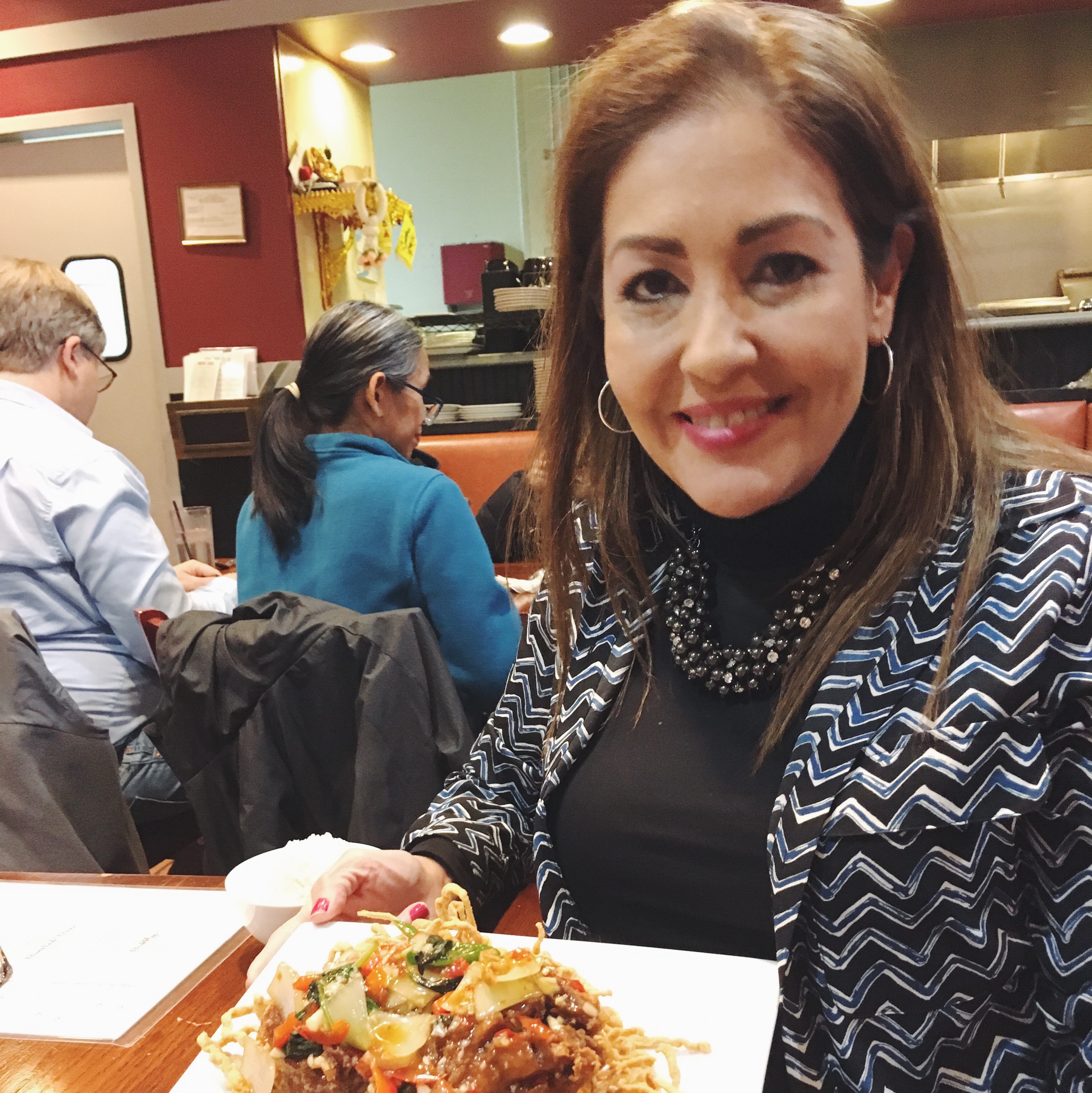
My mom and a plate of duck at a Thai restaurant, 2017

This year Wisconsin upped the ante on our tradition because Devin and my mom found a raw duck in a little local grocery store in his hometown, where we spent Thanksgiving. They found the duck on Black Friday, and my mom thought it would be a nice gesture to cook it and share it with Devin’s family as a thank-you for hosting us. Except guess what. Practically nobody in Devin’s family eats duck.

So we came back to Madison with a frozen duck and no idea how to cook it. Last night we found a recipe and cooked it in the slow-cooker after a very dramatic duck chopping session (we learned the hard way that quartering a duck does not require cutting through its spine. OK, OK, all I did was read the WikiHow page out loud as far away from the whole process as I could be, but it still feels like something we did together).

Earlier tonight, Devin and I were staring at the yet-to-be-washed slow-cooker remembering our duck adventure, and he said, “You and your mom are a lot alike,” which is exactly what I was thinking.

I mean, I don’t make duck, but there is this beet recipe with pomegranate seeds and pistachios. I have fed it to everyone I know. I make it for Devin at least once a year, even though Devin has never expressed any preference for these beets and would probably prefer that I stopped. But when it is November, and I see pomegranates for sale, I am overcome by the conviction that it is Time for the Beets, and I have to make them. Of course, before beet season, it’s You’ve Got Mail season, which again does not seem to be important to anyone but me, and yet I regularly watch You’ve Got Mail with all my friends. OH. There was also the time that I ended up at a Christmas tree lighting in downtown Portland, singing carols with five of my friends, none of whom had any interest in Christmas trees or Christmas carols, but I was so excited that they didn’t have the heart to tell me that they didn’t want to go (I didn’t realize they weren’t that into it until I asked my friend Alison why she wasn’t singing, and she said, “Actually, I’m Jewish”).

That’s the thing about genuine excitement, isn’t it? It’s contagious. It makes you do things that you might not do otherwise. Devin and I don’t have any interest in eating duck, and we definitely had no desire to cook it. But my mom loves to eat duck with us. She really loves it. And so, in a weird way, we love it, too.

My Mother, Myself (and like a dozen dead ducks)

A long story about books and shame and dreams for Latinx babies

solbookbox.jpg

I’ve written about this before, but when I moved to the States, the first thing I learned was that being Mexican and speaking Spanish was not cool (unless you were a talking dog that said “Yo quiero Taco Bell.” That dog was everywhere, and everyone seemed to think it was hilarious).

I’d grown up hearing, “El que sabe dos idiomas, vale por dos,” watching Follow Muzzy to improve my English over the summer, and attending a private school that prided itself on teaching every subject in Spanish and English. Everyone in my family spoke at least two languages, and the grown-ups taught us that being able to communicate with lots of different people was one of the coolest things you could do.

In Texas, the opposite seemed to be true.

The public school I went to was starting an English-Spanish bilingual program, but there were no books or materials. My mom was actually the lone bilingual teacher in charge of implementing this program. Her job was to teach all the kids from kindergarten to sixth grade, and faced with an empty classroom, she did the only thing she could think of. She got on a plane and flew to Chihuahua to buy books.

As I got used to living in Texas, it became harder to feel proud of my culture or to speak Spanish in front of other people. Once, at the grocery store, I noticed a White woman giving us a dirty look while I asked my mom a question in Spanish. My cheeks felt hot, and I stopped talking.

On the walk home, I asked my mom if we could speak Spanish at home and English in public. She said no. I asked if we could try to speak Spanish softly, instead of yelling. Suddenly, we seemed intolerably loud, and I wanted to do anything I could to make ourselves acceptable to the people around us.

I wasn’t the only one. At school, students told my mom they didn’t like their “ugly brown skin.”

“Why would you want to have lighter skin?,” my mom would say. “Our skin is kissed by the sun, our skin is the color of cinnamon. ¡Están hermosos!”

She taught us to sing “Ojos Negros, Piel Canela” and march around the classroom to songs by Cri-Cri.

Soon my classmates (most of whom had not learned to read in any language despite the fact that they were in 2nd grade) were reading and writing in Spanish. Their parents could read what they wrote! And their families looked really happy when they came to parent-teacher night to see my mom.

Against my wishes, I was soon transferred to an English-only classroom because the school said bilingual education was only for kids who didn’t speak English.

In my monolingual classroom, I met Latinx children who didn’t speak any Spanish at all. Many of them had parents who spoke limited English, and they seemed to rely on the older children in the family to interpret between the parents and the little ones.

In the past two decades, I’ve met countless families like this, and I’ve thought about how to prevent intra-familial language barriers.

The two things I believe we have to do if we want Latinx kids to grow up speaking Spanish in the United States are the things my mom has always done for her students and for me:

1. Teach them about their culture. Too often, schools––even schools that serve a majority Latinx population––neglect to teach kids about Latin American and Chican@ cultures, so we have to make up that difference ourselves. I once babysat for a family that only played Spanish-language music, movies, and television in their house. The little girls in that family understood Mexican culture despite never having been to Mexico. They laughed at their tía’s jokes and played “A la vibora, vibora de la mar” with their cousins.

2. Teach them to read and write in Spanish. Even when I wasn’t in a bilingual class, my mom kept buying me books in Spanish; my cousin Caren shared the novels she was assigned in school; and I felt really cool when I got older and could read books like Love in the Time of Cholera in their original form. (My aunt Martha Cecilia still buys me a book in Spanish every time she is in a bookstore because she’s that thoughtful.) Through my books, I learned words that made me gasp “There’s a word for that?!” and were impossible to translate. Thanks to my books, when Texas got to be too much, I had a way to escape to places where I wasn’t weird, and my culture wasn’t considered inferior. 

Now that I’m older, I often meet people who say they want their kids to grow up speaking Spanish. I take that super seriously because I know the difference it has made in my life.

I am not exaggerating when I say that being fluent in Spanish made the difference between having a close relationship with my grandmother and growing apart, between being proud and ashamed of who I am and where I’m from, between being myself and being someone altogether different.

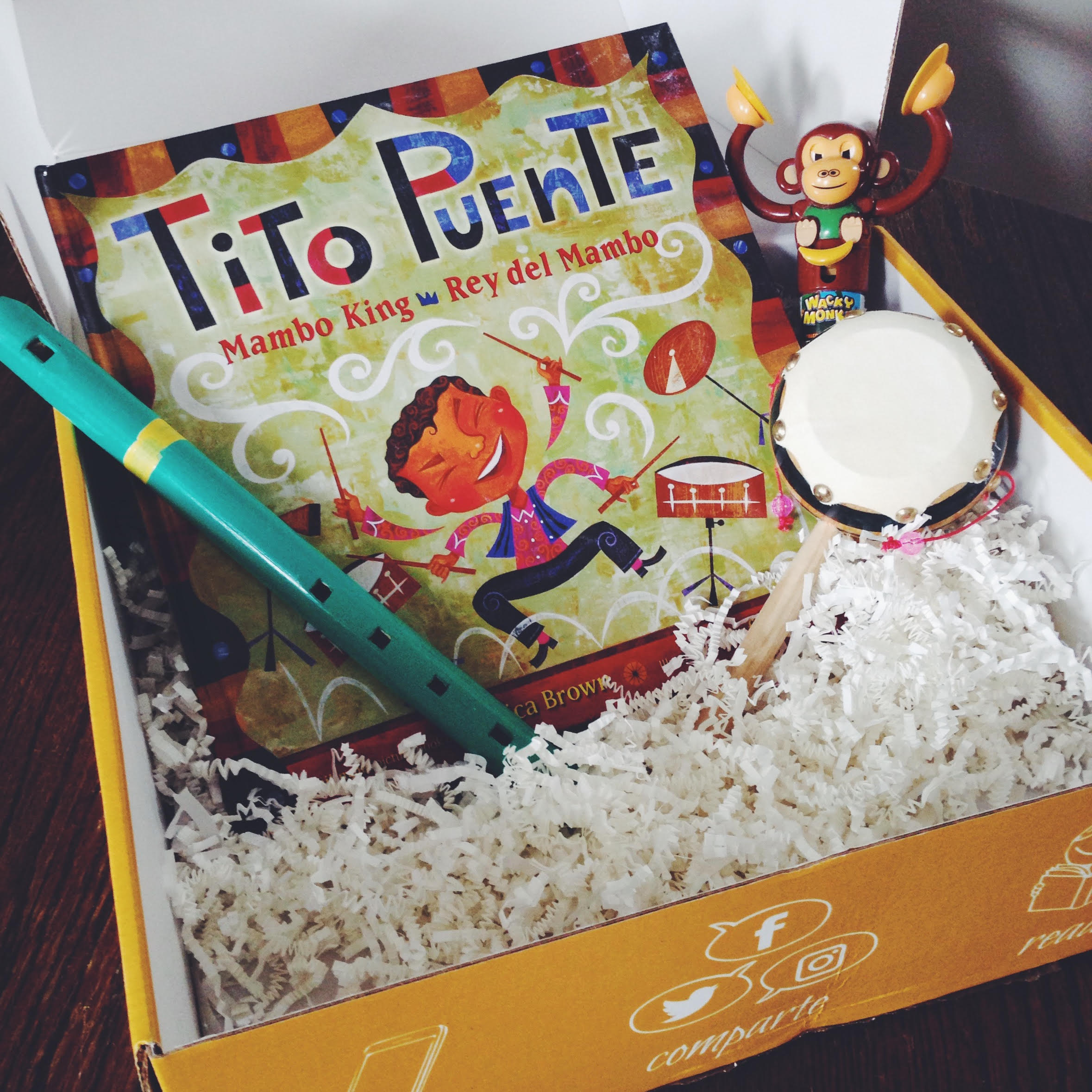
That’s why I will always speak to your babies in Spanish if you want me to, and I will always get them books so that they can learn for themselves. That’s why when my cousin Vanessa told me she was starting Sol Book Box, I was all in.

It might seem strange for a childless person to be so excited about a book subscription service for Spanish-speaking children, but I signed up as soon as I could because it is hard to find books in Spanish at U.S. bookstores, and every time I give a book en español to a Latinx baby, I am praying that they get to grow up in a better world than I did.

A long story about books and shame and dreams for Latinx babies