If you want to make my stomach churn, all you have to say to me is, “Can we agree not to talk about politics?” or “Let’s just agree to disagree!”
Don’t get me wrong. I get why people say this. Nobody wants to have a screaming match at the dinner table, especially if you’re seeing people you love but don’t often get to see, like family members who live thousands of miles away or childhood friends who rarely visit your hometown at the same time you do. And it can feel pointless to talk about something when you don’t think there’s any hope that the person you’re talking to will change their mind. They might have no interest in changing their mind at all.
However, politics isn’t just about opinions. It’s about power. The power to determine who has enough food to eat, clean water to drink, clean air to breathe, a home to live in, access to healthcare and schools and libraries, a job with dignity and the ability to retire when working becomes difficult. Increasingly, I think politics is a choice between realizing that we are all interconnected and that you can’t guarantee safety and dignity for some at the expense of others, or pretending that safety and dignity can be bought. Of course I disagree with the latter view. Evidence of its incongruence is all around us. Think of the wildfires ravaging parts of Los Angeles, including ultra-wealthy neighborhoods, or the floods that have threatened even the fanciest New York City zip codes.
Truly, we are all in it together.
For that reason, I think talking with each other is worthwhile. I believe it’s possible –– and really, really necessary –– to have conversations about politics that are not just pointless arguments or relationship-enders.
What has helped me have better conversations with people with differing political views is to listen (it can be really hard, but I try to listen to other people like I hope they might listen to me) and to ask questions about their opinions and how they came to those conclusions. I also ask questions based on what I’ve observed, and most importantly, when I share my views, I do it in a way that is personal. I use lots of “I” statements about what I’ve experienced or share the stories of people I love. Watching movies and TV shows together can also be helpful because media can help us see other perspectives and develop empathy.
Whenever possible, I try to talk in person, but it can also work to talk on the phone. Texting is OK sometimes, but posting on social media almost never works for me.
There’s really good advice about how to have these kinds of conversations from Celeste Headlee, who wrote a book and did a TED Talk about this very topic.
Here’s a podcast that talks about this in the context of the 2024 election: https://deepcast.fm/episode/friendship-across-the-political-divide
And here’s a blog post that describes and links to her TED Talk: https://ideas.ted.com/how-to-talk-about-politics-constructively/
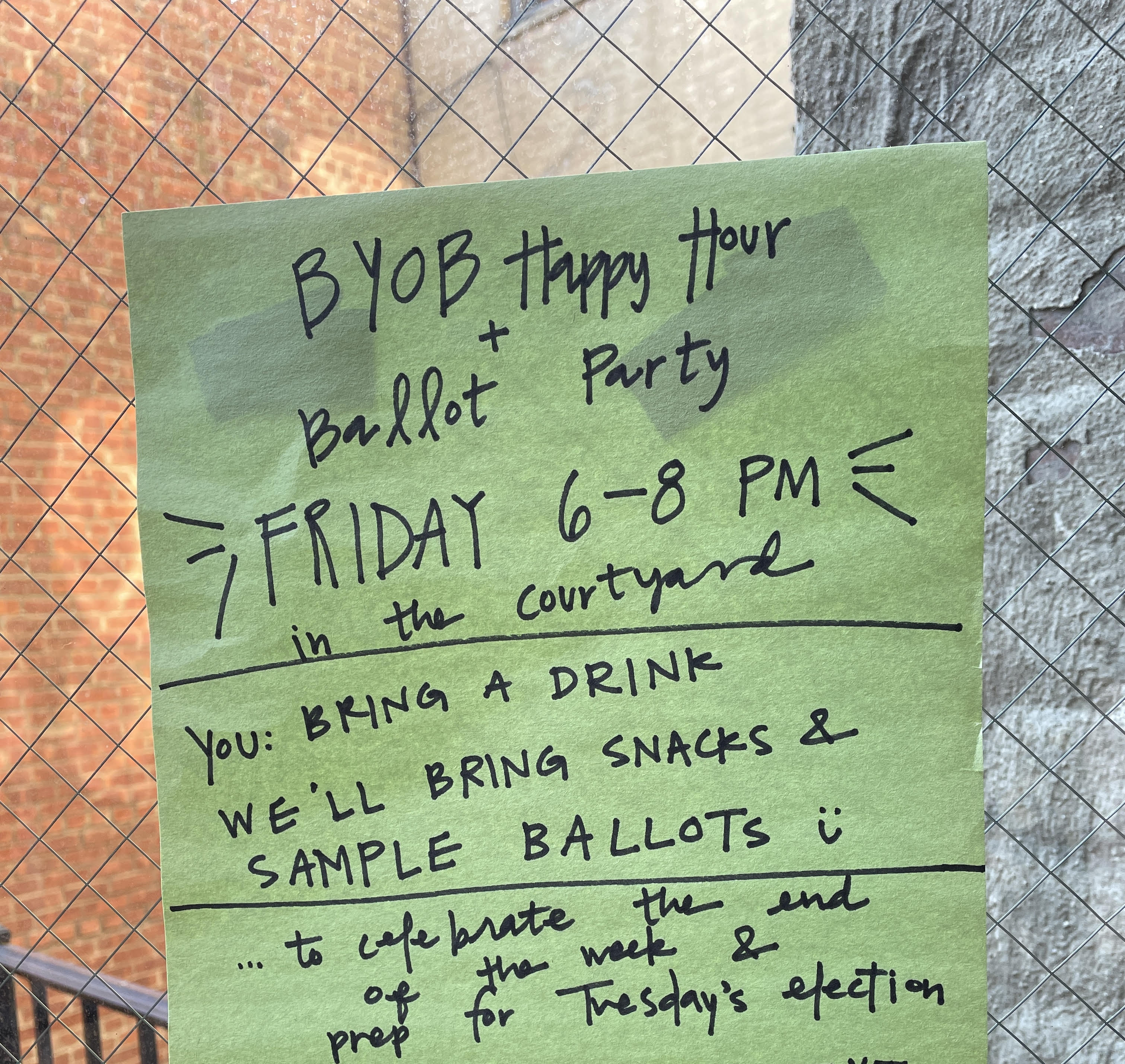
I don’t always get it right, but I hope that over time, I get better at having conversations like these. Our lives and our future are too important not to try.





 smoothliminal